Anthropic Adds Watermarks to Claude-Generated Text
An imperceptible statistical pattern now marks text from new Claude models. It survives copy-paste — but comes with clear limits.
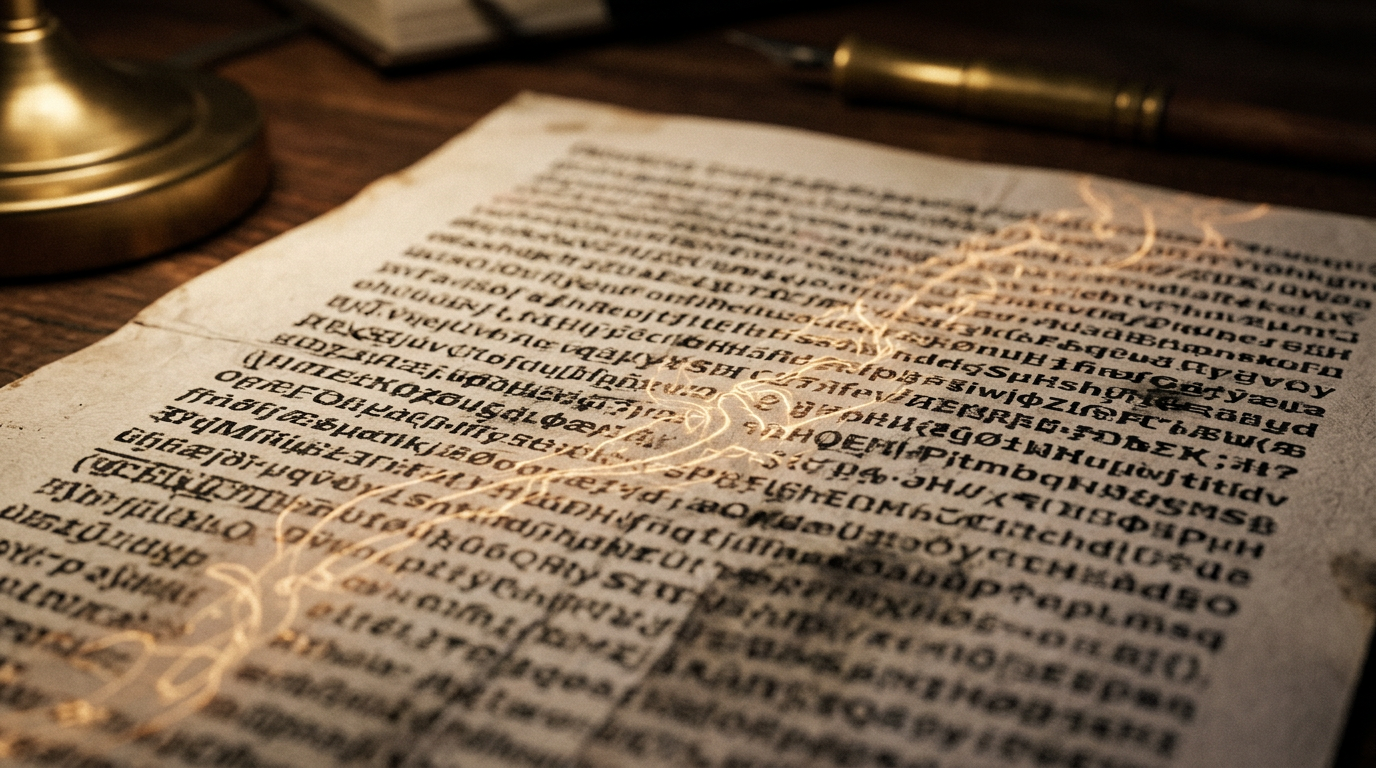
Illustration · AI-generated (AI IN LIFE)
At a glance
- Invisible statistical watermark in text from new Claude models
- Applies to all Claude models launched on or after August 2, 2026
- Files additionally get signed provenance metadata
- Rollout coincides with new EU AI Act transparency obligations
- Limit: proves Claude processed content, not full AI generation
Anthropic is watermarking AI-generated text from its Claude models. The mark is a statistical pattern imperceptible to humans, embedded directly in the model's word choices. It applies to all Claude models launched on or after August 2, 2026.
The key property: because the watermark is part of the text itself, it travels along when copied and pasted — and can persist through some editing. For files such as JPG images, Anthropic additionally relies on signed provenance metadata showing that content was created or processed by Claude.
The start date is no coincidence: on August 2, new EU AI Act transparency rules took effect, requiring machine-readable labeling of AI-generated content. Anthropic implements the labeling at the model level — so it applies across all Claude products, from the API to the Slack integration.
Anthropic is explicit about the limits: the watermark only shows that Claude processed a text — not that it is entirely AI-generated. Human-written text edited by Claude carries the mark too. Conversely, a missing watermark does not prove content is human: screenshots, for instance, strip metadata.
For schools, newsrooms, and companies, this is the first broadly deployed detection signal from a major AI provider. Whether other labs follow with compatible schemes will decide its practical value — single-vendor solutions can only partially solve the problem.
FAQ
How does the watermark work?
It is a statistical pattern in the model's word choices — invisible to humans, machine-readable. Being part of the text, it survives copy-paste and some editing.
Can it reliably detect AI text?
No. The watermark only shows Claude was involved — including human text Claude edited. And a missing watermark does not prove a text is human.
Why now?
Since August 2, 2026, the EU AI Act requires machine-readable labeling of AI-generated content. Anthropic implements this at the model level.