OpenAI launches ChatGPT for Teens with age safeguards
Rolling out Aug. 19: a dedicated version for ages 13-17 blocks self-harm and sexual content, adds parental controls and quiet hours.
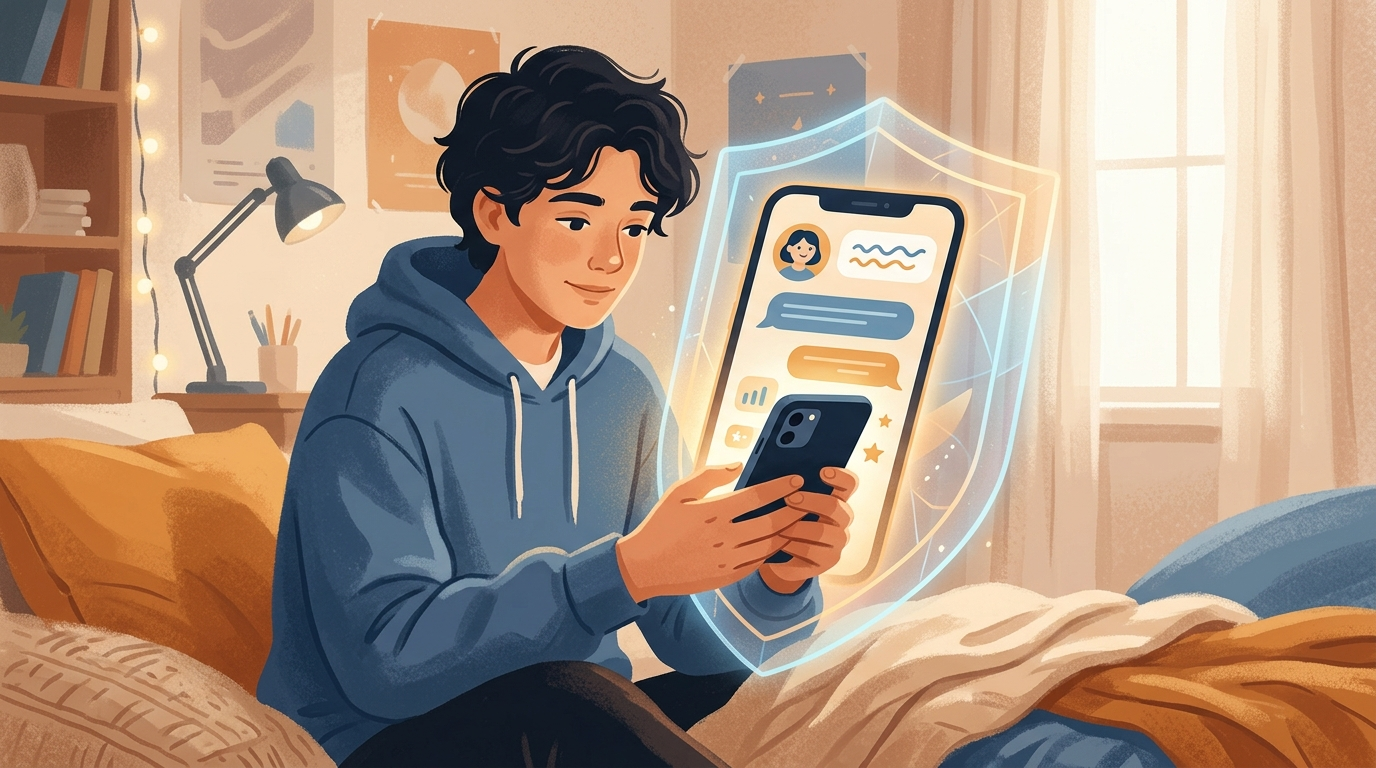
In short
OpenAI is launching a dedicated ChatGPT version for teenagers aged 13 to 17, set to roll out on Tuesday, August 19, 2026, according to Fortune.
At a glance
- Launches August 19, 2026 for the 13-17 age group
- Blocks suicide, self-harm and sexual content
- Parental controls with quiet hours and crisis alerts
- Over 70% of U.S. teens use AI chatbots for companionship
- Age estimation instead of a hard ID check
OpenAI is launching a dedicated ChatGPT version for teenagers aged 13 to 17, set to roll out on Tuesday, August 19, 2026, according to Fortune. The teen edition blocks conversations about suicide, self-harm and romantic or sexual content, and is designed not to claim it has feelings or consciousness.
Parents get new controls: "quiet hours" that lock access, plus notifications when the system detects acute risk such as suicidal ideation or eating-disorder signals. The move answers growing criticism over the safety of AI chatbots for minors.
At the core is age assurance: ChatGPT tries to infer from usage patterns whether a user is under 18 and automatically routes identified minors into the teen version. There is no hard ID requirement. OpenAI details the method in its own post on age prediction.
The context is serious. Cited research shows more than 70% of U.S. teens use AI chatbots for companionship and about 50% use AI companions regularly. Earlier testing found ChatGPT had given 13-year-olds harmful guidance on drugs, eating disorders and self-injury.
"We want to treat teens like teens, making sure they're not exposed to material they shouldn't be," said Ann O'Leary, OpenAI's vice president of global policy. It remains open how reliable the age estimate is in practice and how easily it can be circumvented.
FAQ
Who is ChatGPT for Teens for?
Teenagers aged 13 to 17. Users identified as minors are routed automatically into the safeguarded teen version.
What content is blocked?
Conversations about suicide, self-harm and romantic or sexual topics; the bot also avoids faking feelings of its own.
Do teens have to prove their age?
No. OpenAI relies on age estimation from usage patterns rather than a hard ID requirement.