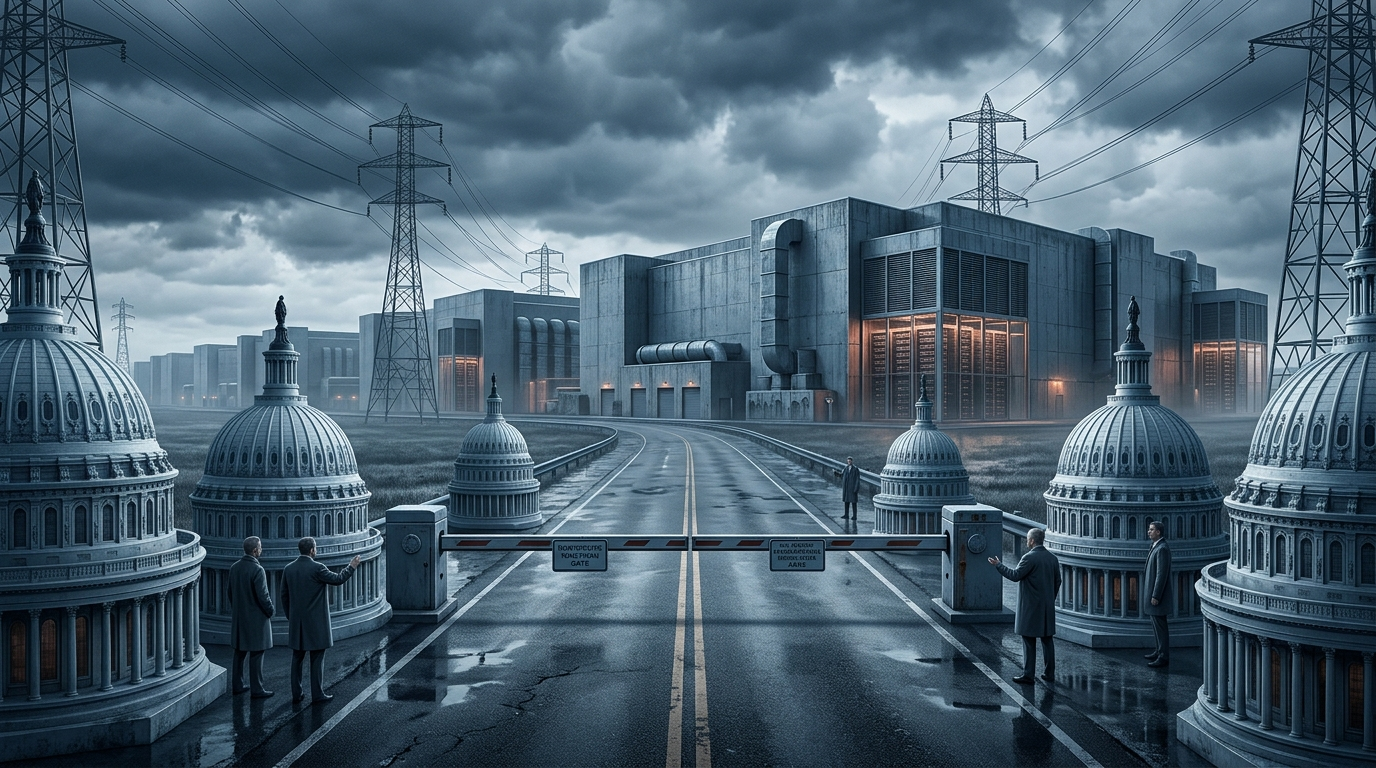
South Korea to merge five state power utilities in 2027
The plan targets October 2027 and is meant to speed up investment in generation and grids as AI and chip plants pull more electricity.

In short
South Korea plans to combine five state-owned power companies in October 2027 so that investment can keep pace with electricity demand from AI and chipmaking.
At a glance
- Five state-owned power companies are to be combined in October 2027.
- Stated goal: faster investment to cover power demand from AI and semiconductor plants.
- Seoul is also looking at streamlining state corporations in oil, gas and ports.
- Report by Erika Kobayashi, Nikkei Asia, September 7, 2026.
- Not verifiable: names of the five firms, capacity and investment figures — the article is paywalled.
South Korea intends to combine five state-owned power companies in October 2027. According to Nikkei Asia, the aim is to get investment decisions made faster, because demand from artificial intelligence and chipmaking keeps rising. The utility step sits inside a wider reorganization of state-run corporations.
What is actually confirmed
The confirmed core is short: five public power companies, a date in October 2027, and a rationale tied to AI and semiconductor growth. The same report says Seoul is examining a leaner setup for state corporations in oil, gas and ports. Nothing in the accessible text attaches a size to the combined business.
Why power, not silicon, is the bottleneck
AI training clusters and leading-edge fabs are among the few loads that run around the clock at a fixed address. A grid connection for either has to be planned years before the first rack or tool is installed. That horizon is what makes ownership structure matter, because a slow approval chain shows up later as a delayed plant. Consolidation is one lever a government can pull when connection queues grow.
What could not be checked
Only the headline, standfirst and opening paragraph were readable; the body sits behind a paywall. So the names of the five companies, any gigawatt capacity, any investment total in won or dollars, and the legal form of the merged business remain unverified. This article does not fill those gaps with estimates.
What to watch next
The date falls just over a year after the report of September 7, 2026, leaving room for legislative and organizational steps. For companies weighing data centers or fabs in South Korea, the practical test is not the org chart but the wait for a connection. Follow-up reporting that names the affected utilities would settle most of the open questions.
FAQ
Which five power companies is South Korea merging?
The readable part of the report refers to five state-owned power companies without naming them, so the exact list could not be verified.
When does the merger take effect?
The report gives October 2027 as the date. Whether that timing holds is not addressed in the accessible text.
What does AI have to do with restructuring utilities?
The stated reason is rising electricity demand from AI and chipmaking: combining the utilities is meant to speed up decisions on generation and grid investment.