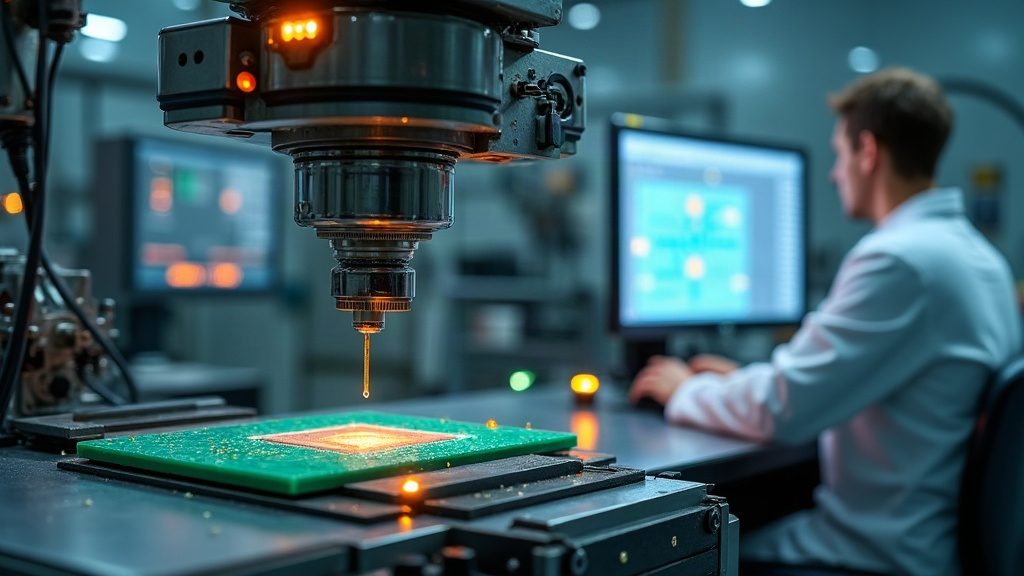
Intel Says It Is Already Making Chips on High-NA EUV
TSMC will not use ASML's most advanced lithography tool before 2030, Samsung targets 2028 - the same machine, three very different bets.
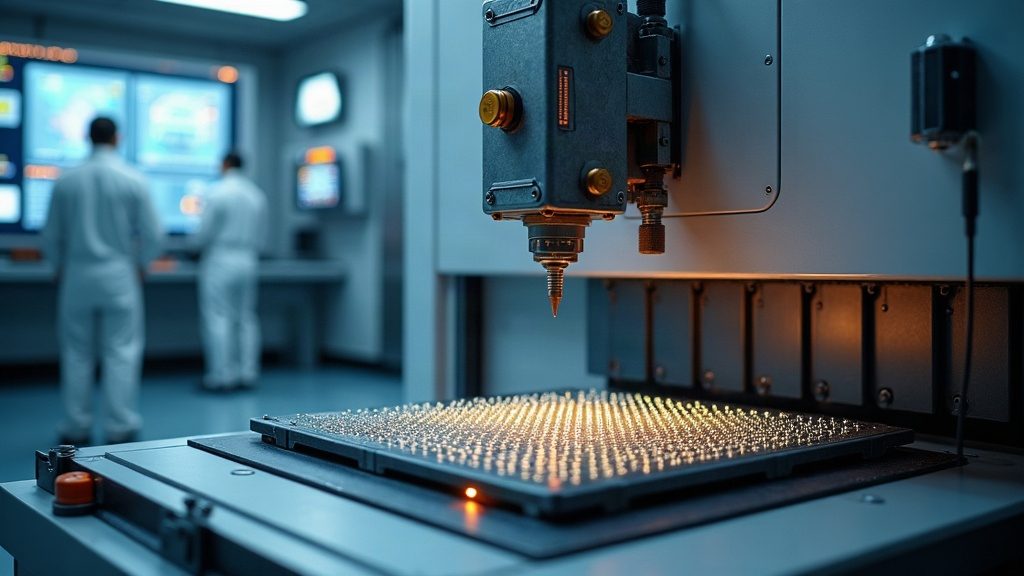
In short
TSMC says it will not put ASML's high-NA EUV machines into production before 2030, while Intel says it is already mass producing with them and Samsung is targeting 2028.
At a glance
- TSMC named 2030 on Tuesday as the start of its use of ASML's high-NA EUV scanners.
- Samsung Electronics is targeting adoption as early as 2028.
- Intel says it is already in mass production with the new machine.
- The source is a Nikkei Asia report dated September 8, 2026.
- Unit prices, order volumes and affected process nodes are not in the freely readable part of the report.
Three chipmakers have now put a date on ASML's high-NA EUV lithography machine, and the dates are years apart. Intel says it is already mass producing with it. Samsung Electronics is aiming for 2028. TSMC, speaking on Tuesday, said 2030.
The tool everyone is waiting for
Nikkei Asia describes high-NA EUV as the most advanced chipmaking equipment in the world. It is the machine each leading-edge foundry expects to need for its next generations of logic. What the report does not spell out, at least in the portion readable without a subscription, is what any of the three is paying or how many units it holds.
Why the gap matters
A two-year spread between Samsung and TSMC, and a wider one against Intel's stated position, is a scheduling fact before it is a technology fact. Foundry customers reserve leading-edge capacity years ahead of the wafers themselves. Intel currently has the most aggressive claim on the table; TSMC has the latest date of the three.
What we could not verify
The article sits partly behind a paywall. We could not confirm unit prices, order volumes, the numerical aperture of the system, or which specific process nodes each company ties to it, and no direct quotes from company representatives appear in the accessible text. Those points stay open rather than settled.
FAQ
When will TSMC use ASML's high-NA EUV?
From 2030. TSMC named that date on Tuesday, and it is the latest of the three publicly stated timelines.
Is Intel already producing chips with high-NA EUV?
Intel says it is already mass producing with the new machine. The report does not name a site or a process node for that production.
When is Samsung adopting high-NA EUV?
Samsung Electronics is targeting adoption as early as 2028, placing it between Intel and TSMC.