Japan's data center buildout: $60 billion by 2033
A Nikkei survey adds up announced projects: more than four times today's capacity by 2033, with NTT alone aiming at 2 gigawatts.
In short
Announced projects would more than quadruple Japan's AI data center capacity within eight years on $60 billion of planned investment, according to a Nikkei survey published September 5, 2026.
At a glance
- Nikkei survey, September 5, 2026: planned projects would more than quadruple Japan's capacity in eight years.
- Planned investment reported by Nikkei: $60 billion through 2033.
- NTT is targeting 2 gigawatts of data center capacity by fiscal 2033.
- Nikkei frames the buildout as placing Japan behind only the U.S. and China, and closer to AI sovereignty.
- Not verifiable here: baseline capacity, any yen figure, power demand. The article is paywalled after the first paragraph.
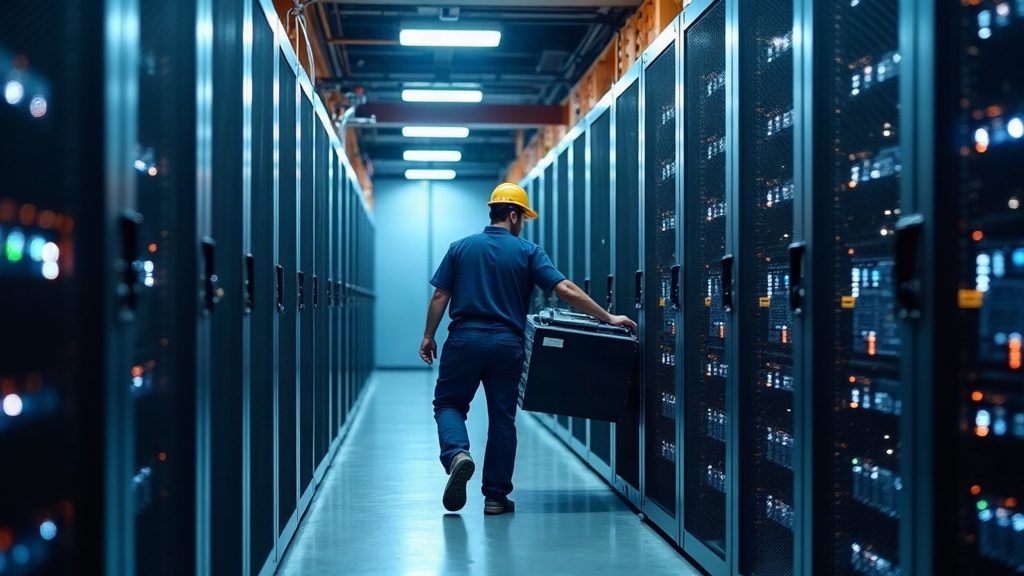
Announced projects would more than quadruple Japan's AI data center capacity within eight years, according to a survey by the business daily Nikkei published September 5, 2026. The paper puts the planned investment behind those projects at $60 billion through 2033.
Plans, not concrete
The survey counts announcements, not operating halls. It aggregates disclosed corporate plans and projects them across an eight-year window. Nothing in that method tells you which projects clear permitting, financing or a grid connection.
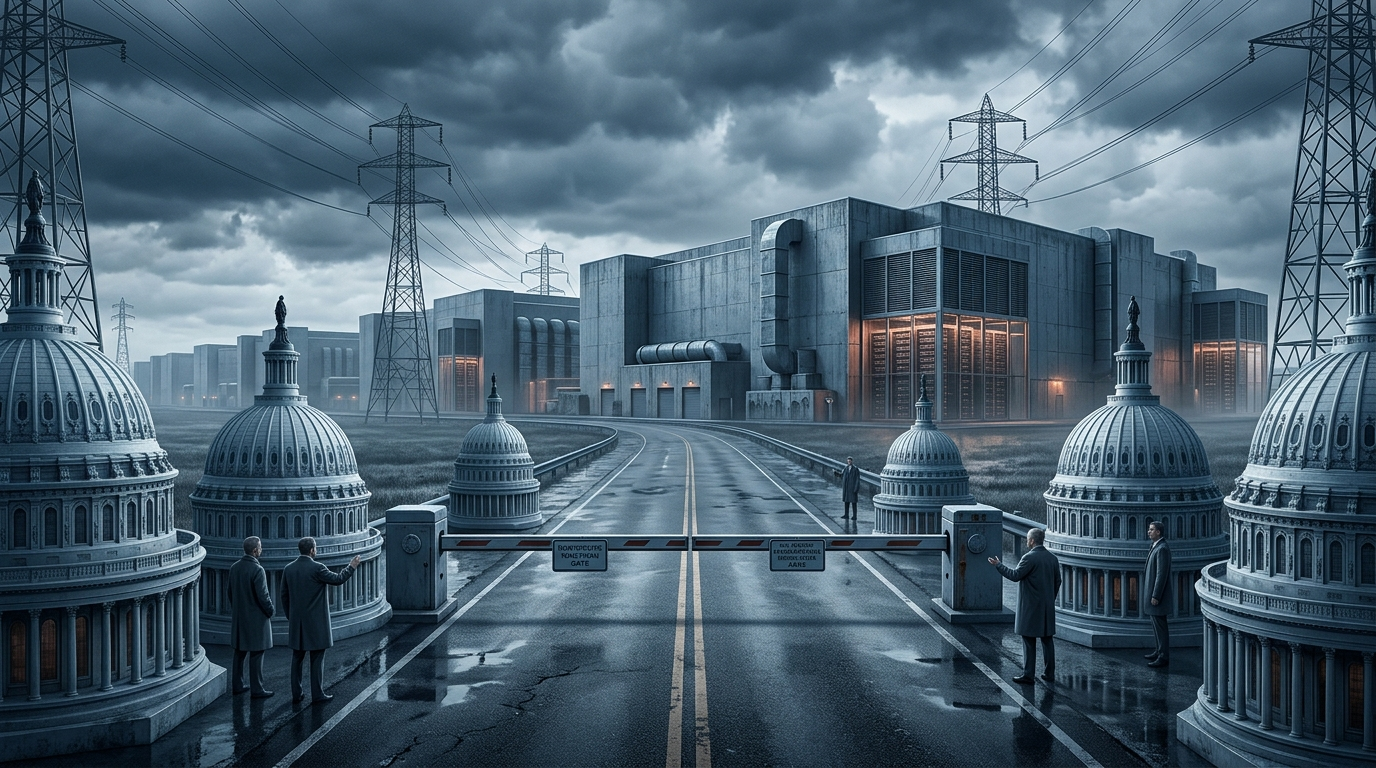
Nikkei reads the total as putting Japan behind only the U.S. and China, and as a step toward domestic AI sovereignty. That is the paper's framing rather than a government commitment.
The one company-level number
NTT is the single firm named with a figure: 2 gigawatts of data center capacity by fiscal 2033. That is a corporate target, not installed load. The readable portion does not break out how much of it is earmarked for AI training or inference specifically.
A multiple without a base
More than quadruple is a ratio, not a quantity. Whether it means a manageable increment or a national power-planning problem depends entirely on where Japan starts, and that starting figure is not in the free portion of the article.
What could not be checked
The piece is paywalled after its opening paragraph, leaving the headline, lede and photo caption readable. This cluster also surfaced exactly one independent newsroom, so no second outlet was available to corroborate the survey.
That leaves open: current baseline capacity, any yen-denominated figure, how the $60 billion splits across companies, and the electricity demand and grid constraints such a buildout would imply. Those gaps are reported as gaps rather than estimated.
FAQ
How much is being invested in Japan's AI data centers?
Nikkei reports $60 billion across announced projects through 2033. That is planned spending aggregated from disclosures, not money already deployed.
What is Japan's data center capacity today?
The readable part of the article gives no baseline. Without it, more than quadruple cannot be converted into megawatts.
Which company disclosed a specific target?
NTT, at 2 gigawatts of data center capacity by fiscal 2033.