Kimi K3.1 Pro Hits No. 4, Just Behind Claude Opus 5.5
Moonshot AI's model scores 55 points on the Artificial Analysis Intelligence Index, and its weights are slated for release by November 4, 2026.
Moonshot AI's model scores 55 points on the Artificial Analysis Intelligence Index, and its weights are slated for release by November 4, 2026.
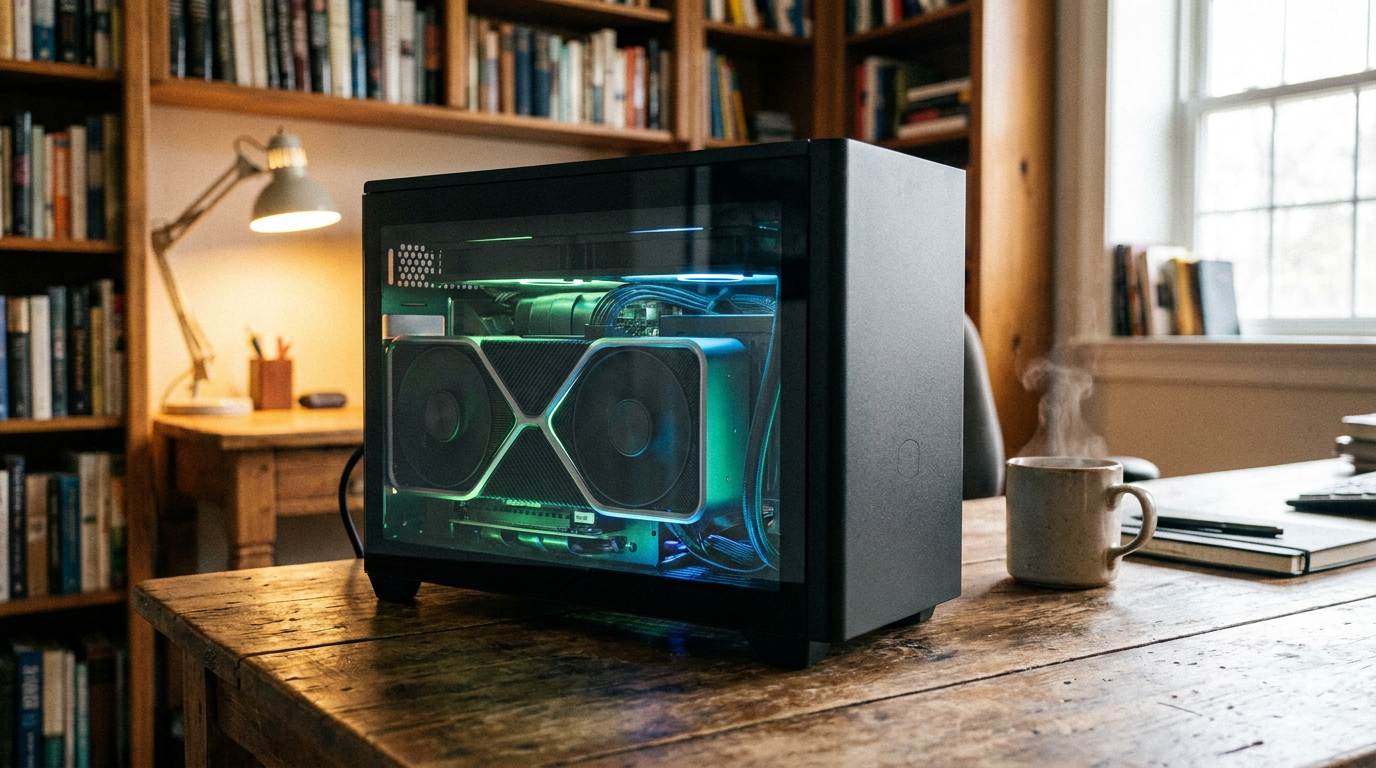
Meta's open model activates 42 of 816 billion parameters per token, holds a million-token context – and, Meta says, runs on two Mac Studio desktops.
816 billion parameters, 42 billion active and a 1 million token context: Meta's new model runs on two Mac Studios instead of a data center.
Meta's new flagship costs $4 per million input tokens, ships a long-term memory layer and powers the company's Muse agent.
Meta ships two frontier models at once: Wonder sells through the API at $4 per million input tokens, Wonder Full stays behind Muse Code.
ESP32 firmware, a Linux SDK and Apache 2.0 code let hobbyists build their own Muse devices, and Meta is giving away 5,000 Home Link dongles.
The Apache 2.0 release on GitHub ships ESP32 firmware and a Linux SDK, and Meta is handing 5,000 free USB-C Home Link dongles to subscribers.
Apple plans stricter consent for Full Disk Access on macOS, arguing that autonomous AI agents turn one broad approval into unlimited reading rights.
Nikkei frames the launch as a reply to Meta's fast-growing Muse, while OpenAI's own announcement page stayed unreachable, leaving pricing and features open.
The company is packaging Muse, the Muse API, Muse Code and its WhatsApp business agent into one unit run by MongoDB's former chief.
Meta says every Muse user gets a Linux instance with its own root filesystem, while a separate Sentinel process watches sensitive actions.
A researcher had the agent archive its own root directory: internal codename “Hatch,” a nightly “dream” pass, 68 skill folders. Meta declined the bounty report.
At Connect, Meta said voice-activated Muse will reach its glasses in the coming months — a day after a report that humans placed its calls.
A popup citing Amazon's Conditions of Use has cut Meta's Muse off from the store since Sunday evening, less than two weeks after the assistant launched.
A TypeScript monorepo under the MIT license, Rome lets agents build reusable actions and skills, and it can run on your own Docker host.
83,000 US iOS downloads put it at No. 2 in the App Store, ahead of the Meta AI app's debut but far behind Threads. Privacy details are thin.
Muse went live in the U.S. on September 8, 2026, sending mail, booking trips and paying — from a sandboxed VM Meta could still reach.
The assistant books travel, fills out forms and pays via Stripe. Meta promises an isolated VM, but its privacy record is the harder sell.
A 230-page consolidated complaint pulls 13 suits together in California and, for the first time, speaks for bystanders who never agreed to anything.
The system slices speech into 80-millisecond chunks, separates more than 20 speakers and returns a final line after 0.16 seconds. Weights stay closed.
The beta targets businesses and creators. What matters is less the chat than what the app does outside its own window.
Per Hugging Face's report, Qwen was downloaded over 3 billion times in six months — more than Google's and Meta's open models combined.
A 30-billion-parameter model under Apache 2.0 that runs on a single consumer GPU – built for local AI agents.