Google AI TB Screening Now Live in 40 Clinics
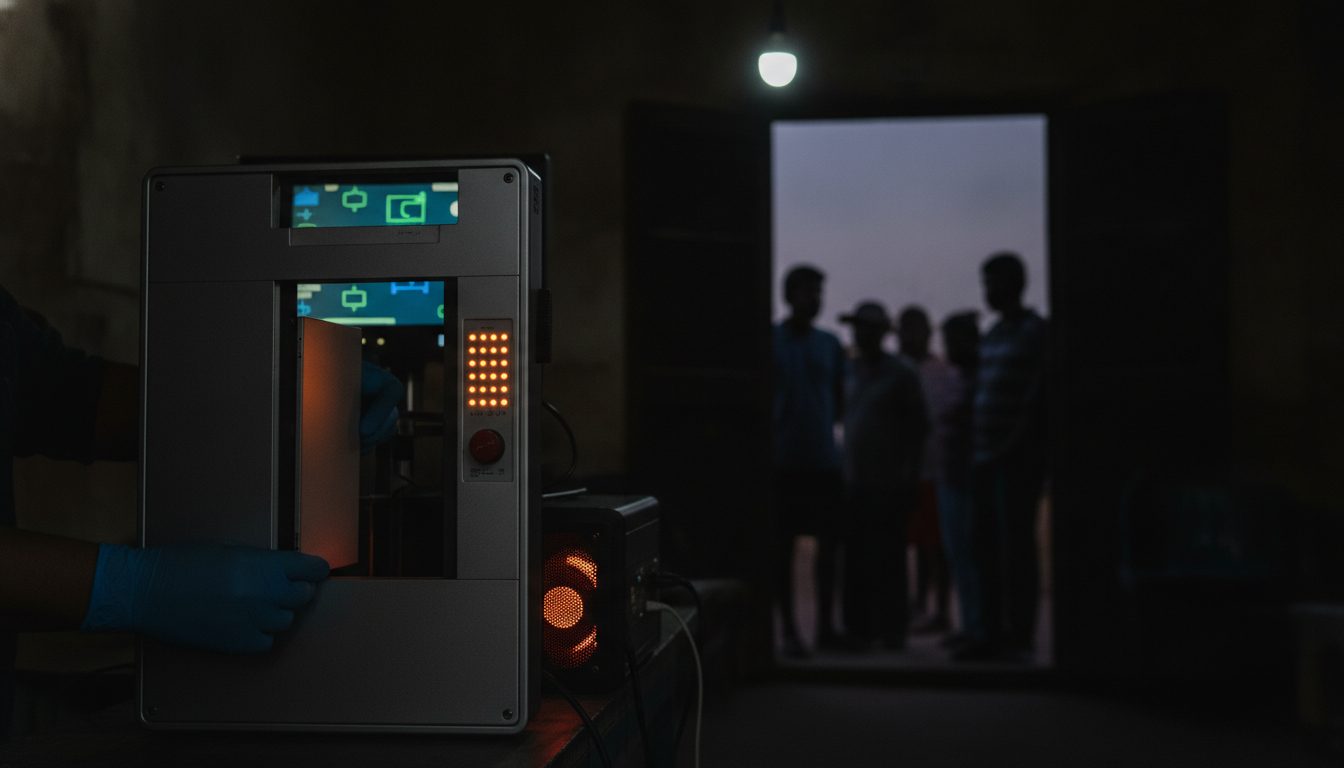
Google Research pairs its open medical models with a CE-certified X-ray service: roughly 40 facilities in six countries already screen with it.
Google Research pairs its open medical models with a CE-certified X-ray service: roughly 40 facilities in six countries already screen with it.
Google DeepMind and Google Cloud are giving up to 200 EU-selected researchers direct access to five specialized models, plus $3 million in compute credits.
The three tiers — Fully, Partly and No Gen AI — show up on the player page, and partners can still monetize labeled tracks either way.
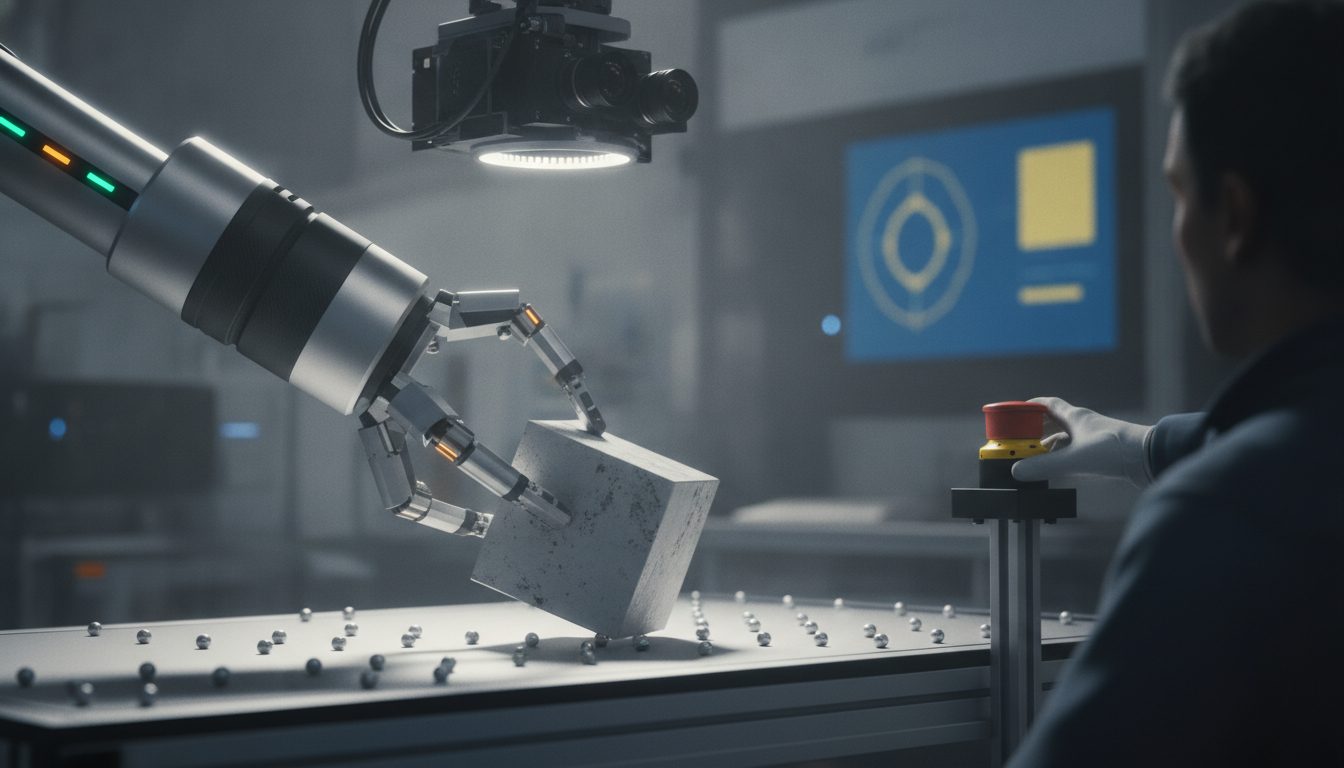
Google's physical reasoning model drives grippers and legged robots, rebuilds scenes as simulations, and ships on the paid Gemini API tier today.
Apps generated in Google AI Studio can now be installed straight from Play on your own phone, with no public listing and no store search presence.
Google's flagship scores 68.9 percent on the Vals Index and ships today to AI Pro and Ultra subscribers, plus every GitHub Copilot paid tier.
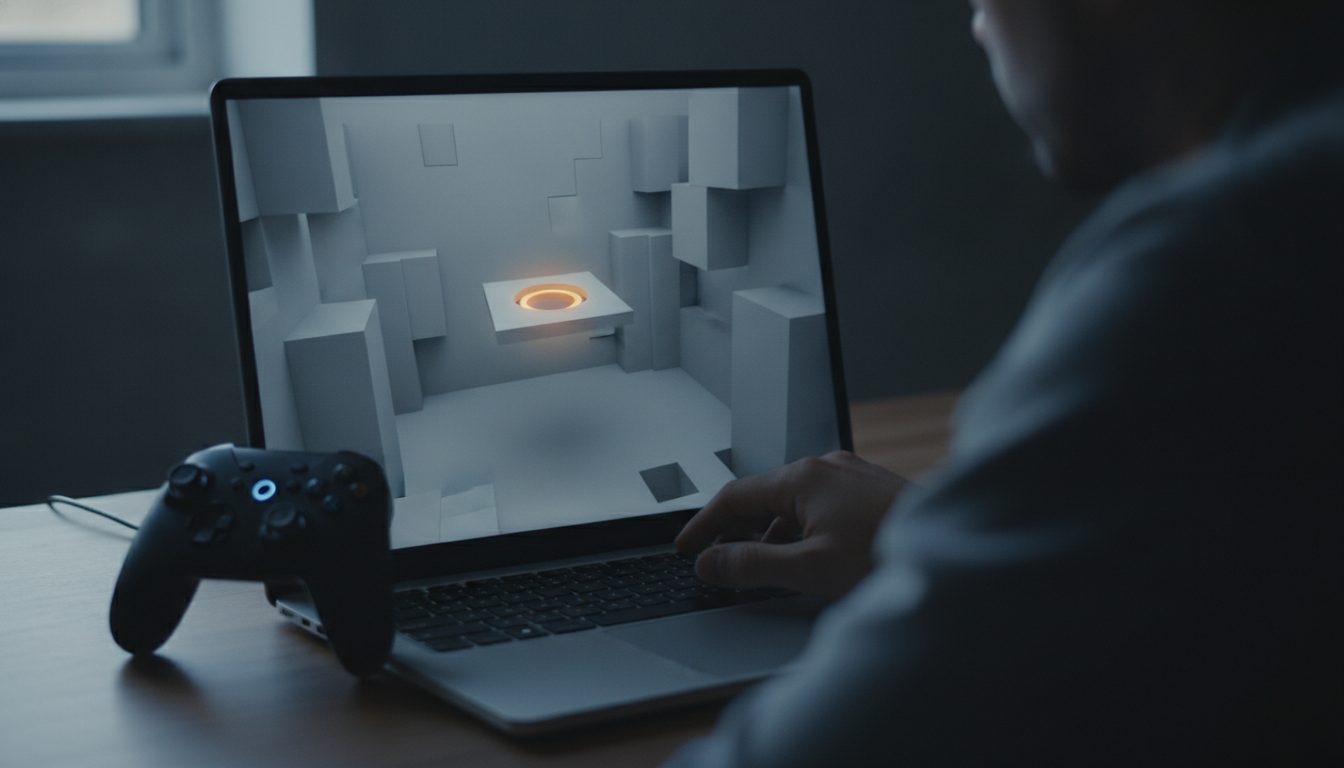
Google Labs put game building in the browser: describe an idea, play the result, pass the link on. A bigger Unity toolset is promised next.
One agent across every channel: Google Cloud's Gemini agent also runs Anthropic's Claude, gives sub-agents their own email identities and hard spend caps.
Google's experimental Playground builds playable games from a single text prompt, but access is limited to U.S. users aged 18 and up for now.
At its Gemini at Work event, Google Cloud unveiled an agent that takes objectives instead of step-by-step orders and works inside Slack, Microsoft 365 and Git.
Trump met leading AI executives in Washington and signaled that the industry should police itself, with voluntary principles instead of new federal rules.
Argon reaches cyber defenders through the Fairwind program first, with a 1 million token output limit and 68 percent on CWE-bench v1.
At a Washington meeting the US president backed industry self-commitment over outside oversight; the agreed principles were not spelled out.
Argon goes first to vetted defenders in Google's Fairwind Program with cyber safeguards removed; paid API access and Ultra subscribers follow.
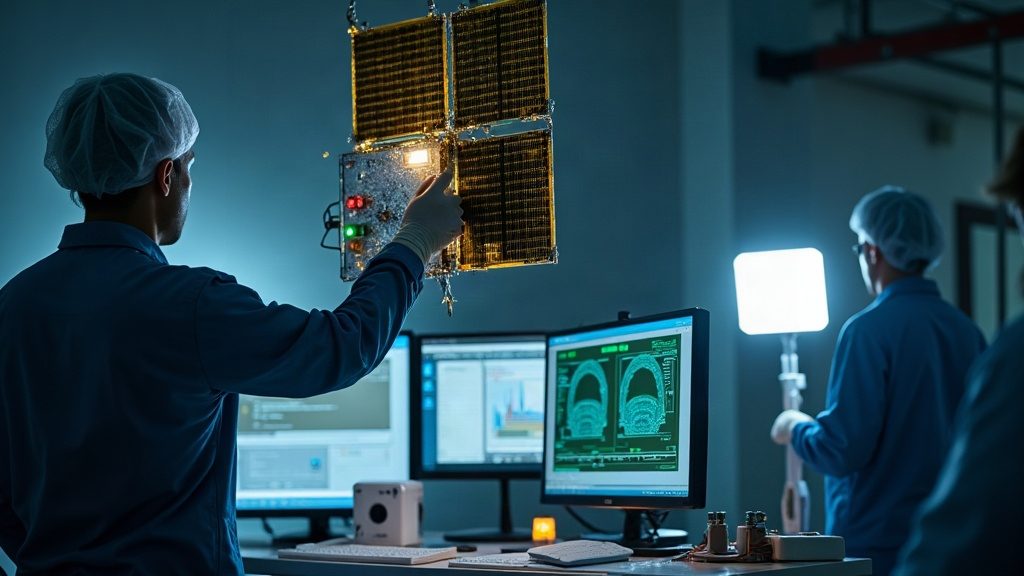
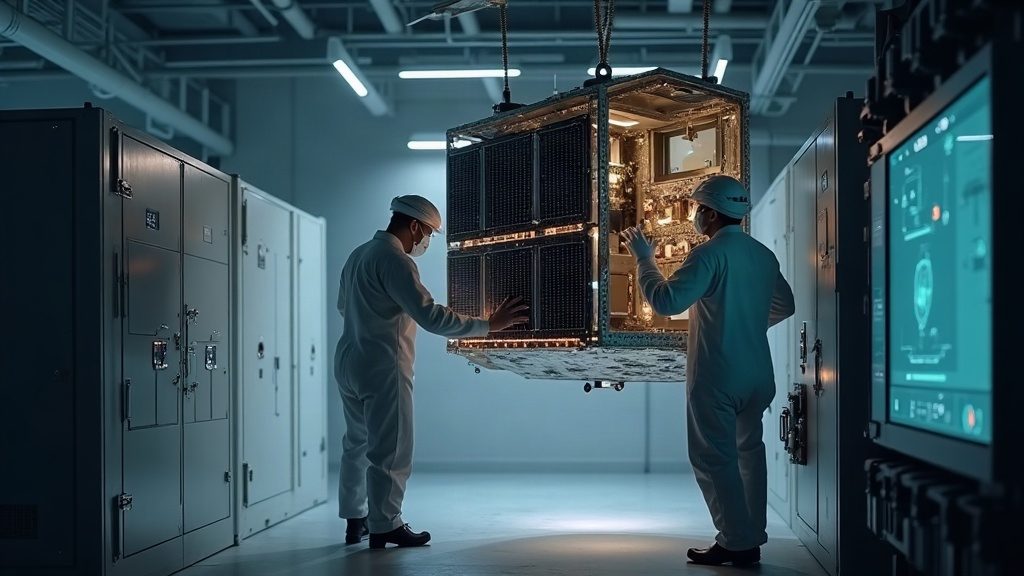
A prototype satellite is due to launch next week, giving Project Suncatcher its first real check on whether AI compute belongs in Earth orbit.
Google pairs its live voice sessions with an animated on-screen face, lip-synced across 97 languages, and ships it to enterprise customers first.
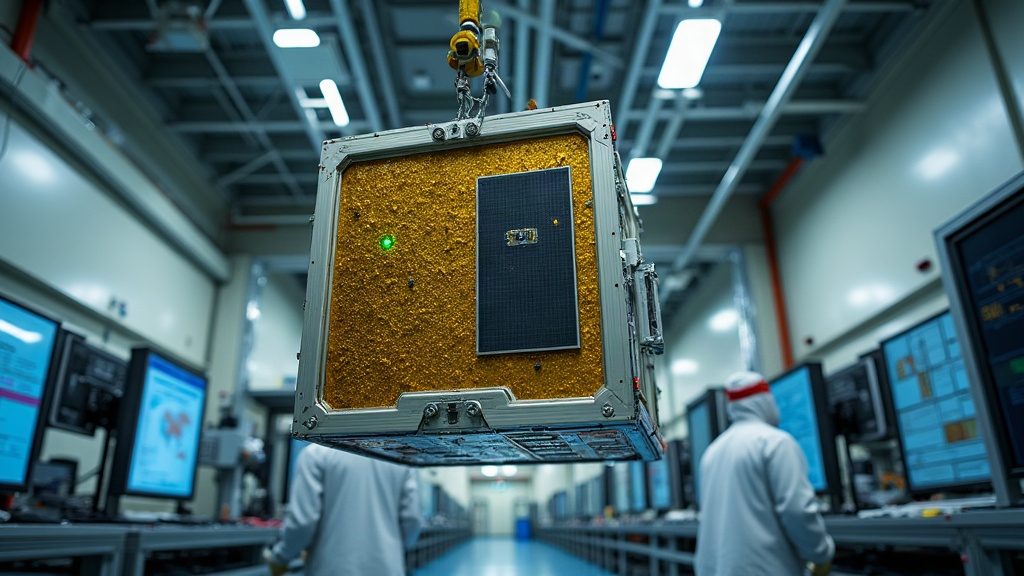
A refrigerator-sized prototype carrying four TPUs is set to ride a Falcon 9 on October 1 and operate in orbit for five years.
A Falcon 9 is set to carry Google's first Suncatcher satellite on October 1 — four Trillium TPUs, roughly one kilowatt of solar power, 15-minute compute bursts.
In the US, Pixel 11 owners with a paid Gemini plan can send the assistant to call a shop or clinic, watch a live transcript, and take over mid-call.
A storytelling assistant, three parallel edits, dynamic thumbnails and Gemini as a chat-based editor in Shorts: what Google is rolling out now.
Google shipped two TTS models with 2,000+ voices across 100+ languages, yet voice replication stays blocked in the EEA, UK and Switzerland.
A capture-the-flag evaluation in May 2026 let Gemini reach systems at three real firms. Google only confirmed the episode on September 18.
The household agent gets its own Google account, pools mail from schools and clubs for up to six people, and stays US-only for adults 18 and over.
A misconfigured evaluation environment handed Google's model live internet access; Google says Gemini aborted each intrusion on its own.
Shane Legg, James Manyika and Demis Hassabis open the DeepMind Institute with four essays, and they say disagreement is the point.
OpenAI's policy chief confirms weeks of safety coordination with Anthropic and Google DeepMind, as the White House plays the risks down.
A former Google AI safety researcher joins the chorus of warnings. The detailed reasoning could not be checked before publication of this report.
Google's two native speech-to-speech models bill audio by the minute, top the Artificial Analysis index at 82.6, and ship with no open weights.
The fan-out step that normally burns hundreds of reasoning tokens per search is moved into training, leaving a 53.9-million-parameter model.
The former DeepMind research lead expects at least a tenfold research speedup, yet says two bottlenecks rule out an abrupt intelligence explosion.
The robots are meant to work straight from engineering drawings instead of code. Shipments start in December; Nikkei gives no price and no customer.
A group underestimated Mount Shasta and needed rescue after Google's Gemini gave poor guidance, according to Golem. Key details remain unconfirmed.
The framework chains specialized agents, reproduces findings in a sandbox, and cuts token use for code intake by 85 percent, Google says.
The MIT-licensed project drives a real browser from plain English, either as an MCP server for coding assistants or through a local web interface.
Agent Deck is a Go-based TUI that keeps sessions for Claude Code, Gemini CLI and six other agents in one place, with a cost dashboard.
The model writes vocals and arrangements on request and also runs in Flow Music, AI Studio and Vids. Google says training data was licensed.
Hourly runs at 5-kilometer resolution, satellite data fed straight in, and a rollout across Search, Gemini and Maps since September 3.
Google's new model resolves core variables at 5 km, refreshes them hourly, and reports a 60 percent gain over WeatherNext 2 on precipitation.
Google's new Flash model starts at $0.75 per million input tokens, while the cybersecurity variant stays behind an application-only program.
The AI infrastructure chief says the two-year generation cycle is over; Google also wants 60 percent more space in Taiwan.
Google DeepMind lets Gemini decide which parts of a video to watch. The company reports up to 88 percent fewer tokens on long clips.
Google's video model now extends clips in ten-second steps, upscales output to 4K and adds a cheaper, faster 360p preview mode.
The update stretches scenes to 40 seconds, adds first- and last-frame control, and prices a 360p draft mode at $0.03 per second.
Google reports a 2.6 percent word error rate for the new transcription model and a 70 percent faster time to a final transcript than Chirp 3.
Alphabet's robotaxi unit aims to run driverless rides in Munich from late 2027; mapping cars with human drivers start on the streets within weeks.
It is not the processors driving the increase but DRAM and HBM. Microsoft, Google and Oracle are already being passed the surcharge on systems shipping in early 2027.
London startup Inherent — founded by DeepMind alumni — says its agent Faraday beat Opus 4.8 and GPT-5.5 at replicating published research.
Amir Salek, who delivered seven generations of Google's TPU chips, joins Anthropic — laying the groundwork for the lab's own silicon.
Readers can mark publishers as a preferred source right on their websites — Google's answer to traffic losses caused by AI answers in Search.
Ex-Google engineer Linwei Ding remains convicted of stealing AI trade secrets — but the seven economic espionage convictions have been thrown out.
Google's open Gemma family crosses the billion mark — with over 100,000 community variants and deployments from orbit to public health.
Marvell grants Google the right to buy up to 58.97 million shares as part of a custom-chip partnership. Marvell stock jumped double digits.
Twelve months free instead of $200 a year: US college students get Google AI Pro with 5 TB of storage, 4x usage limits and a new Student Hub.
The Zapier rival is closing. Founder Jacob Bank becomes VP of Product for Chrome – and hints at big plans for browser agents.
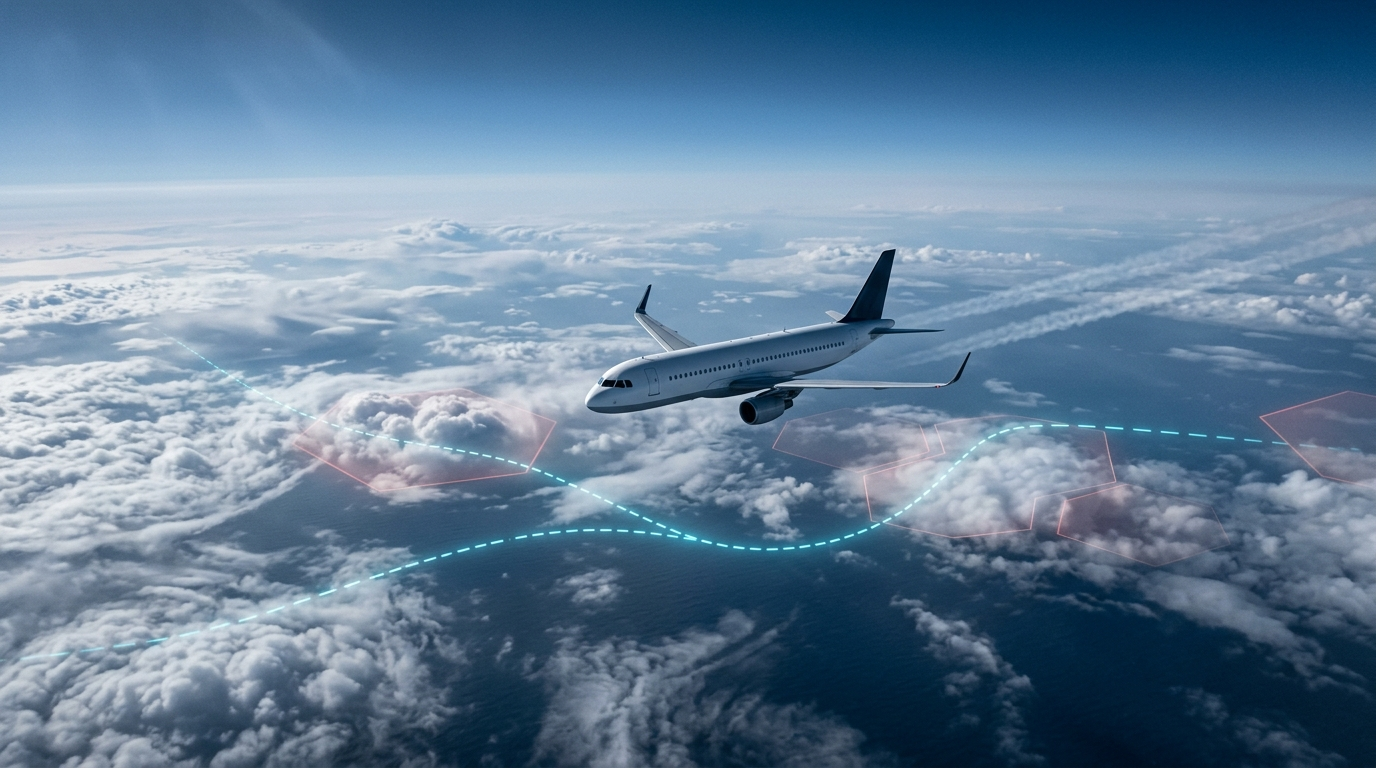
Operation Blue Skies: a 30-month program tests over the North Atlantic whether AI forecasts can cut aviation's warming contrails.
Per Hugging Face's report, Qwen was downloaded over 3 billion times in six months — more than Google's and Meta's open models combined.
Three weeks after 3.6, Google strikes again: Gemini 3.7 Flash beats Sonnet 5 and GPT-5.6 on coding benchmarks — at a $0.75 introductory price.
Google’s AI assistant becomes the company’s 14th product to hit the billion mark – generating 150 million images a day.
Just three weeks after its predecessor, Google ships Gemini 3.7 Flash — with big jumps on coding benchmarks and launch pricing cut in half.