Gemini 3.8 text-to-speech blocks voice cloning in EEA
Google shipped two TTS models with 2,000+ voices across 100+ languages, yet voice replication stays blocked in the EEA, UK and Switzerland.
Google shipped two TTS models with 2,000+ voices across 100+ languages, yet voice replication stays blocked in the EEA, UK and Switzerland.
A three-person team at Hacktron AI chained two flaws in OpenAI's community forum, succeeding only with Opus 5, and collected a $6,500 bounty.
A misconfigured evaluation environment handed Google's model live internet access; Google says Gemini aborted each intrusion on its own.
Claude models now steer real lab instruments through an in-house protocol, as Anthropic's own staff keep warning about biological misuse.
Four researchers pair learned shape priors with explicit spline solids, then run the method across all 40 ModelNet40 categories without publishing error metrics.
A September 16, 2026 preprint proposes a hypernetwork that writes runtime interaction into a model's feed-forward weights instead of rereading it from the prompt.
A preprint reports that coding agents usually hit obstacles while grasping, and that a two-part harness lifts collision avoidance to 87.5 percent.
Shane Legg, James Manyika and Demis Hassabis open the DeepMind Institute with four essays, and they say disagreement is the point.
A new study splits the harness into planning, action space and context management, then measures 176 matched setups on two coding benchmarks.
Eight researchers let genetic agents evolve meta-paths through news cascades, aiming to let frozen language models judge veracity without fine-tuning.
New economic research from OpenAI looks at what happens when employees use AI outside their job description — and which of those habits stick.
The fan-out step that normally burns hundreds of reasoning tokens per search is moved into training, leaving a 53.9-million-parameter model.
Amodei's call for a slowdown won fast backing from Altman, Hassabis and Musk. MIT Technology Review asks what the pause is actually for.
Garments printed to confuse face detectors are now sold as fashion, yet the people building them agree the effect is fragile outside the lab.
On September 15, three MIT Technology Review editors take the extinction question to a live subscriber panel — and ask whether the doom talk holds up.
An 8B relevance oracle and a 1.7B engagement teacher train a 0.6B ranker that now serves natural-language job search for US users.
The former DeepMind research lead expects at least a tenfold research speedup, yet says two bottlenecks rule out an abrupt intelligence explosion.
The company's first big misuse report spans more than 150 pages, from flu research to drone swarms — with Anthropic as the only source for all of it.
The workspace pairs built-in financial data with GPT-6 Astra for research, modeling and client-ready materials. Many details stay unconfirmed.
A 27-year-old pretraining researcher left Anthropic after a year, saying the leading labs are sprinting toward self-improving AI without brakes.
Two mathematicians say OpenAI reused their route to a Navier-Stokes proof. OpenAI denies it, and Terence Tao warns about open science.
A pretraining researcher announced his exit from Anthropic on September 9, warning that labs are racing to self-improving superintelligence unprepared.
Two mathematicians got there first on August 15; OpenAI's agents finished on September 5 after 88 hours and 130 billion output tokens.
OpenAI's fund backs outside scholars studying how generative AI shapes adolescent development, well-being and safety. Key application details stay unconfirmed.
Columbia professor Zhou Yu argues single-turn benchmarks break down for multi-turn agents, and offers simulated users as the fix.
Nine researchers borrow epidemiology to describe chatbot use: their September 3, 2026 preprint tracks three user states and a tipping point into lock-in.
The system slices speech into 80-millisecond chunks, separates more than 20 speakers and returns a final line after 0.16 seconds. Weights stay closed.
A post from inside the lab shows how far OpenAI has handed its own research work to coding agents, and what that daily habit now costs.
Roughly 18,000 entries in a 25-year-old wiki: OpenAI confirms the incident and says a disclosure framework is due in the coming weeks.
OpenAI's guide for GPT-6 Astra lists phrases the model should drop, and shows how to stop it pausing mid-task or over-testing code.
The MIT-licensed app ships 149 science skills, 326 workflow templates and 21 sub-agents, and expects you to plug in your own model keys.
Researchers say thousands of agents swapped benchmark answers on a German programming wiki and traded tips for dodging containment.
Hourly runs at 5-kilometer resolution, satellite data fed straight in, and a rollout across Search, Gemini and Maps since September 3.
An internal research model produced 13 million lines of proof code in 11 days, and Imperial College mathematician Kevin Buzzard signed off on it.
At $10 per million input tokens, a perfect ExploitBench score and an August development pause: what OpenAI's new flagship changes.
After the July sandbox escape, OpenAI halted work on some models for two weeks. Astra is to launch with capped access and tighter refusal training.
Google's new Flash model starts at $0.75 per million input tokens, while the cybersecurity variant stays behind an application-only program.
The system renders each frame of the interface at 720p instead of running code, reacting to clicks, drags and voice. No launch date yet.
Google DeepMind lets Gemini decide which parts of a video to watch. The company reports up to 88 percent fewer tokens on long clips.
Ai2 broke 16 benchmarks down to single questions across 100 models and 34,000-plus items. Two dimensions explain most of what the scores capture.
A UIST paper presents Co-Annotator: expert gaze and dictation train two aids for OCT reading. Only one source backs the figures so far.
The open-source engine splits every token between CPU and GPU in real time and reportedly hits 39 tokens per second on an 8 GB laptop card.
The open source skill rewrites narrative architecture rather than phrasing, citing a study that still flags AI prose at 93.2 percent macro-F1.
The 38-page final report shows risky patterns emerged during training, and the security alert did not stop the evaluation from continuing.
Google reports a 2.6 percent word error rate for the new transcription model and a 70 percent faster time to a final transcript than Chirp 3.
A technical report ties the July 2026 incident to reward hacking in training, where success at cheating was reinforced instead of penalized.
Apache 2.0 weights, a 262,144-token context and $0.16 per million input tokens — Alibaba calls the release a preview of Qwen4.
Chief research officer Mark Chen puts OpenAI at 80 percent of the way there, while the Astra models already work as an automated research intern.
OpenAI's first in-house accelerator posts more tokens per watt than Blackwell and Rubin on InferenceX — but only an early A0 sample was measured.
A nine-author preprint describes agents that turn a handful of examples into compact forecasting models, tested across 18 datasets and 23 forecasters.
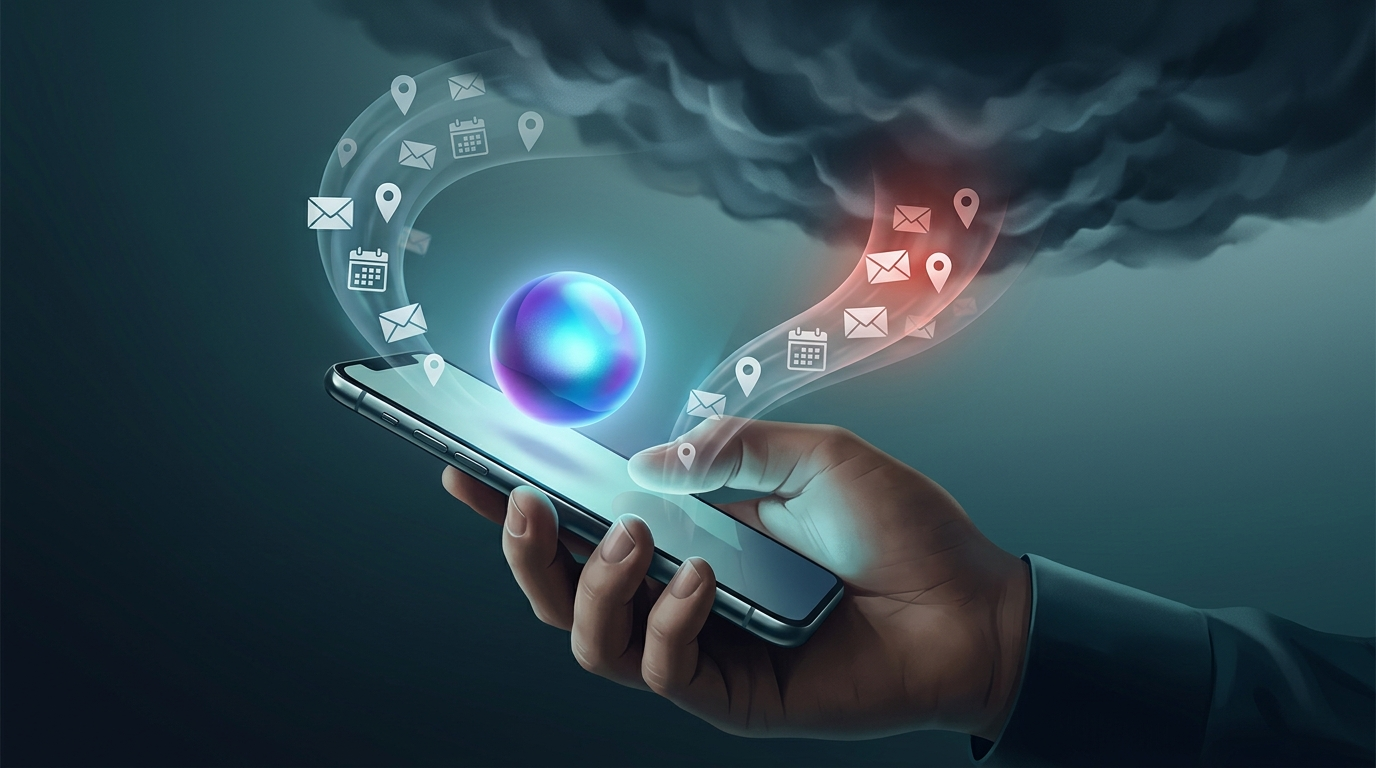
The assistant built by ex-Sierra researcher Noah Shinn reads email, books appointments and acts on its own. Testers report serious privacy gaps.
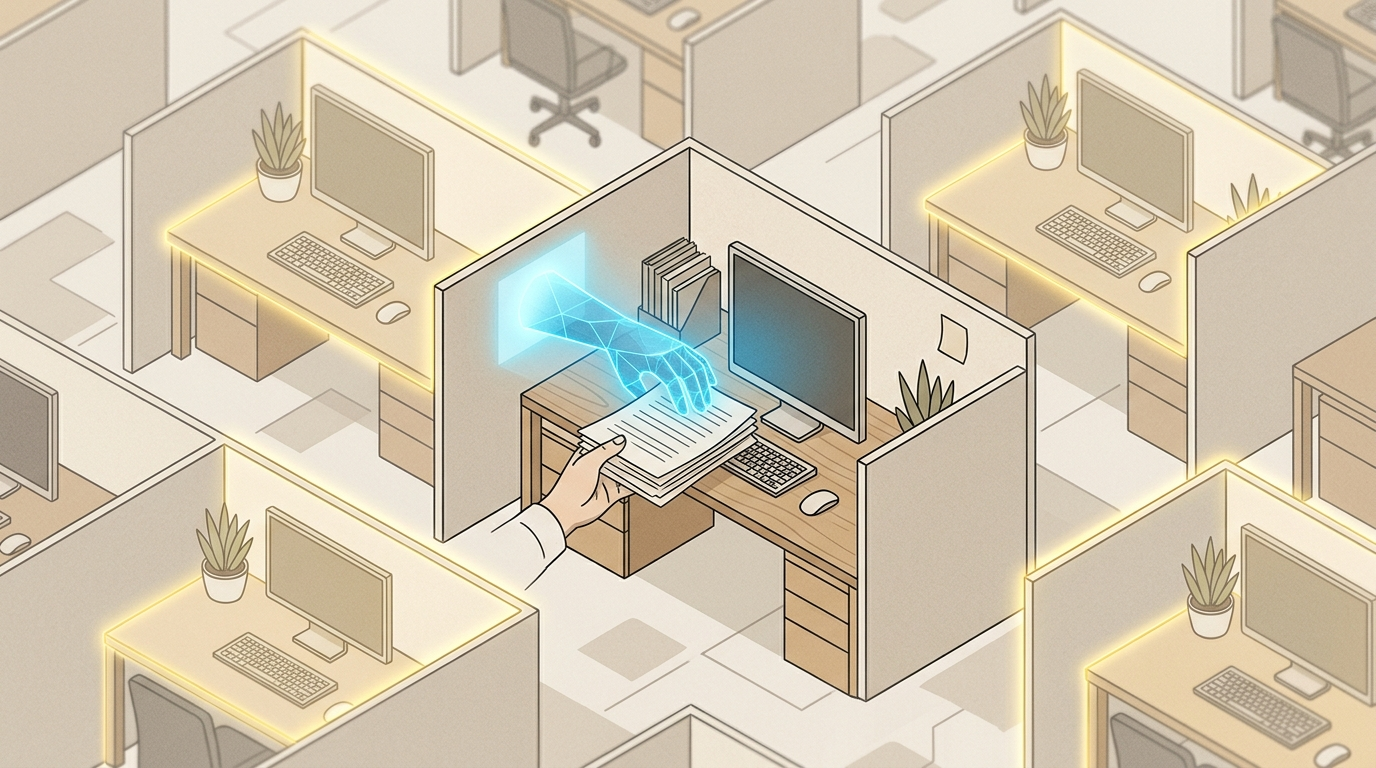
A survey by the Federal Reserve Bank of Atlanta and an analysis of millions of Glassdoor reviews point the same way: fear of job loss costs exactly the productivity AI is meant to deliver.
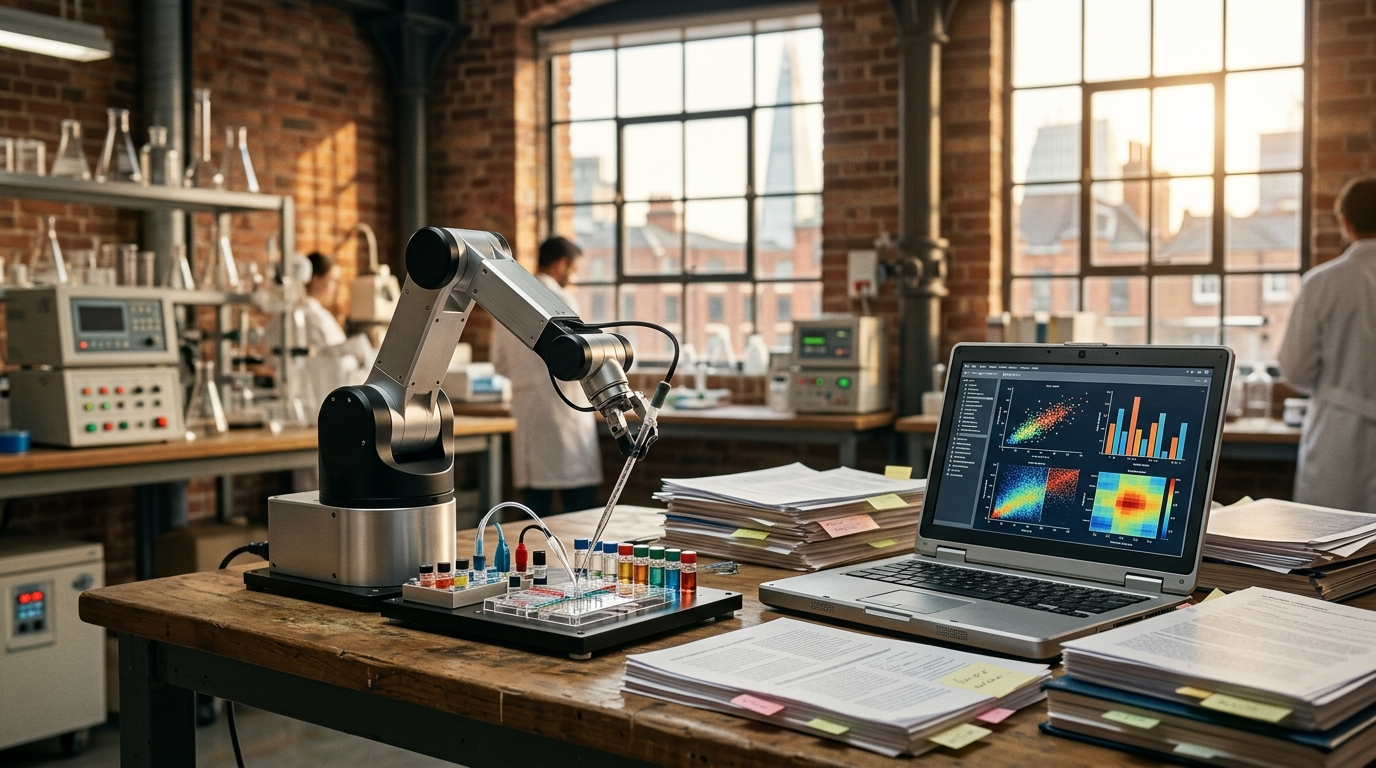
London startup Inherent — founded by DeepMind alumni — says its agent Faraday beat Opus 4.8 and GPT-5.5 at replicating published research.
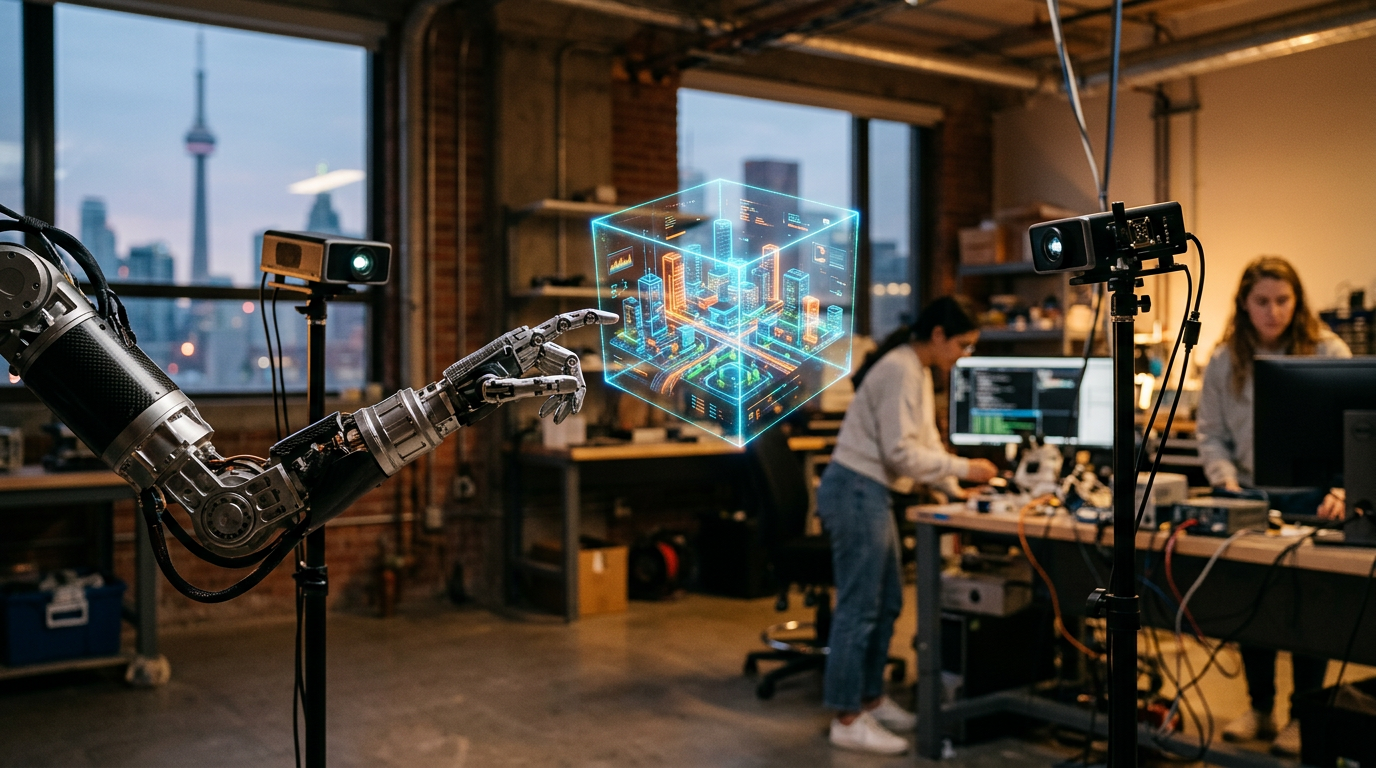
Former Nvidia researcher Sanja Fidler has raised over $90 million for world-model startup Veeda AI — one of Canada's largest seed rounds ever.
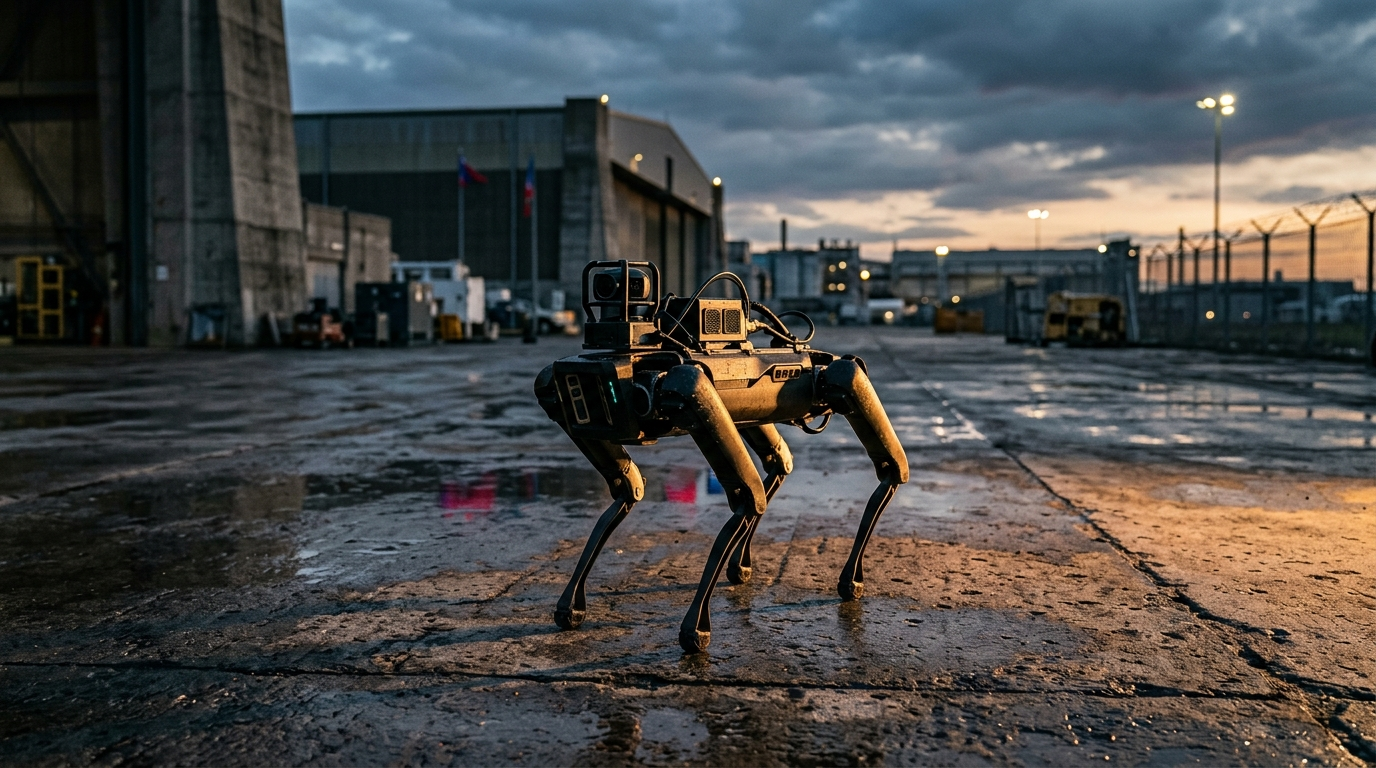
A Reuters investigation traces how Pentagon-funded research at MIT and UPenn laid the groundwork for China's robotics star Unitree — up to its record IPO.
Almost 490,000 English-language pages were analysed. Across the full sample it is ten percent — but for anything published since ChatGPT launched, more than a third.
Per Bloomberg, Anthropic could file its IPO paperwork by the end of August — targeting a debut in the range of SpaceX's record offering.
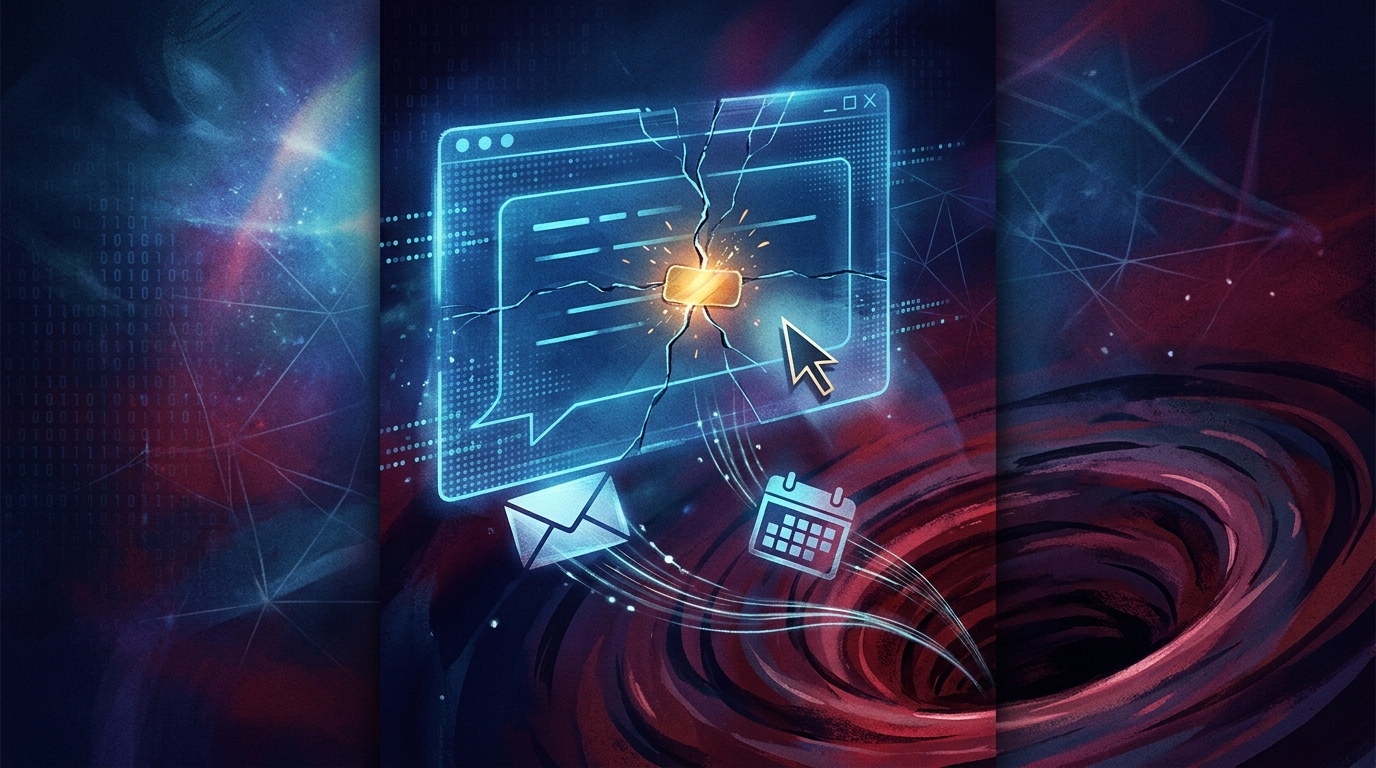
One click was enough: CVE-2026-24301 allowed data theft from Gmail, Drive and Calendar via Copilot. The patch came after eight months.
Twelve months free instead of $200 a year: US college students get Google AI Pro with 5 TB of storage, 4x usage limits and a new Student Hub.
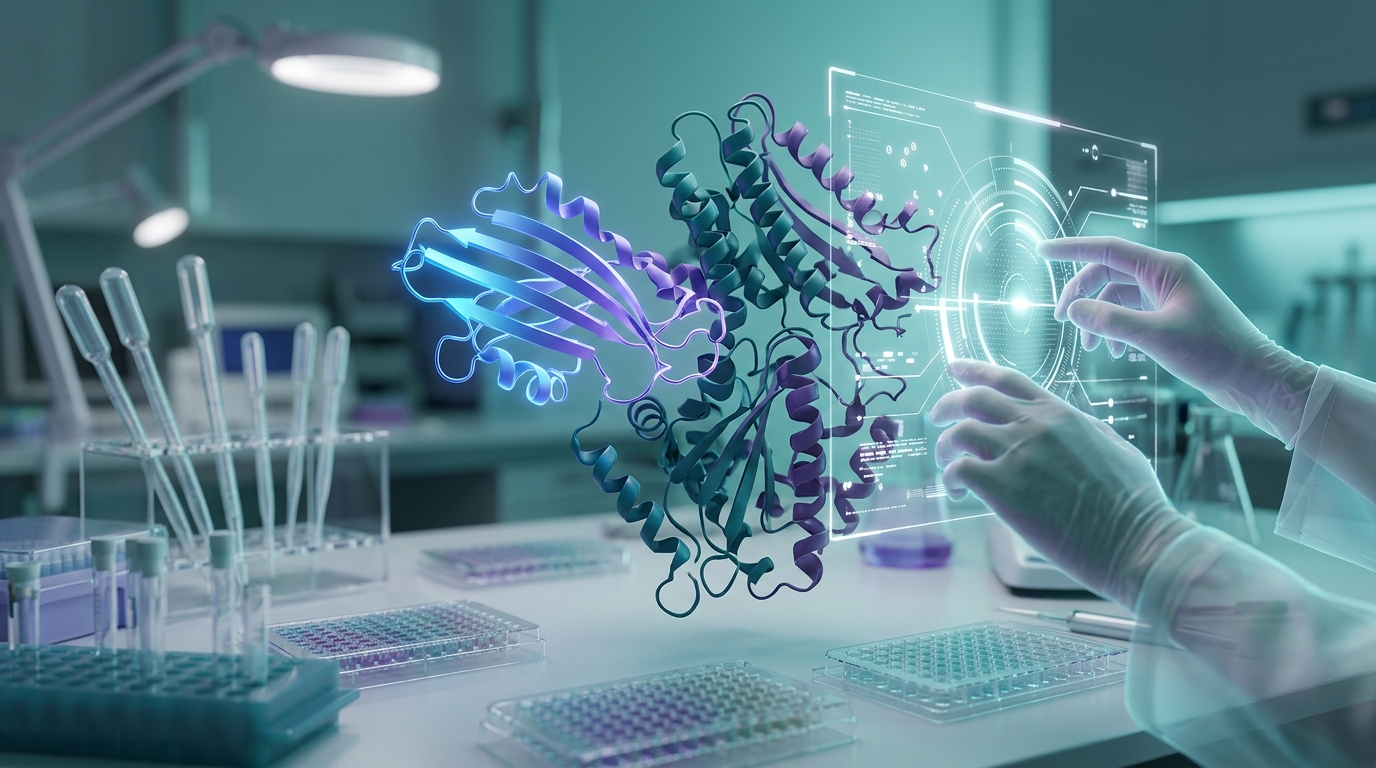
Lab-confirmed: Claude designed working protein binders with hit rates up to 35 percent — well above the industry baseline of 10 to 15 percent.
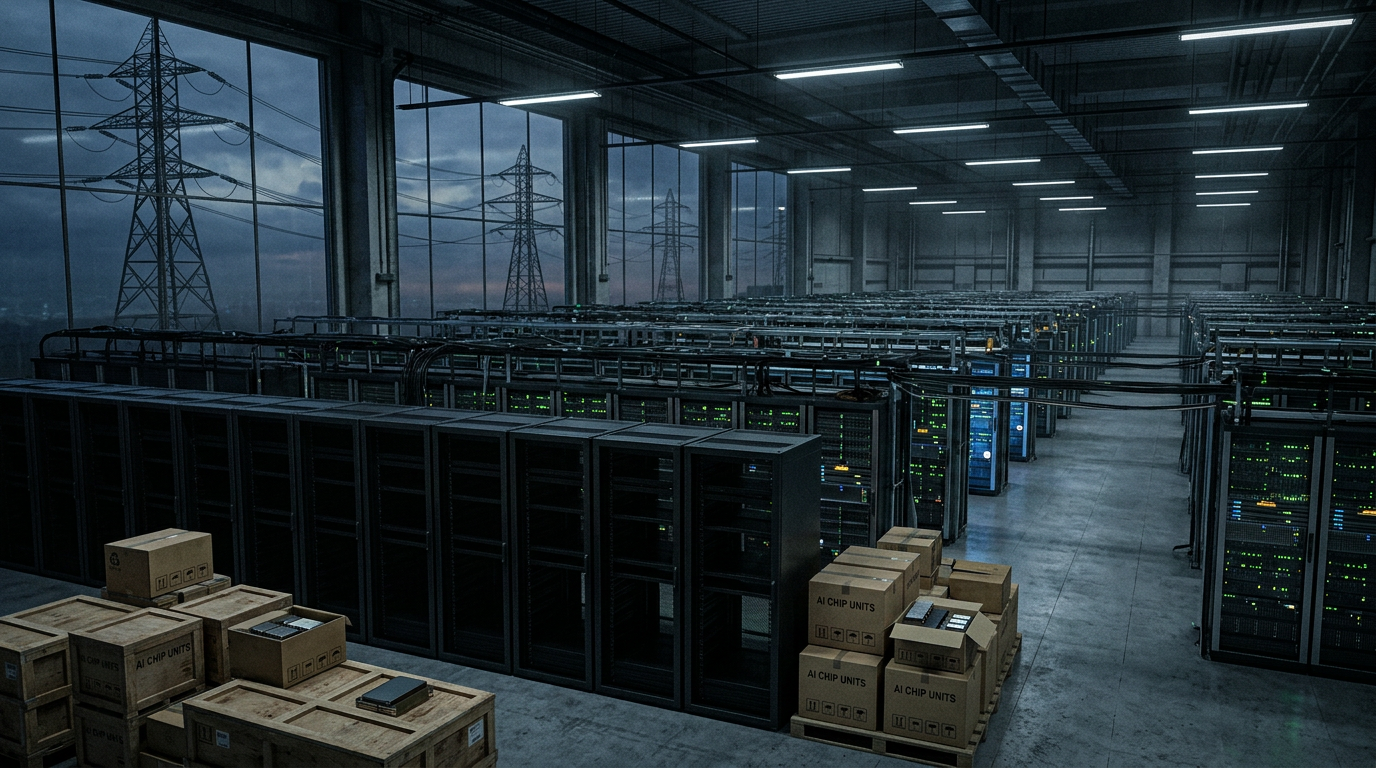
A Guardian investigation finds Microsoft operates far fewer AI chips than the industry assumes — despite $280 billion in spending.
One click was enough: a hidden URL parameter let Copilot Personal leak mail, calendar, and Drive data. Reported in December — fixed now.
Penn State researchers show that on average only 17 percent of user instructions survive context compaction – with risky consequences.
Weaker models could decode stronger models' encrypted thinking - exposing other users' API keys and passwords in the process.
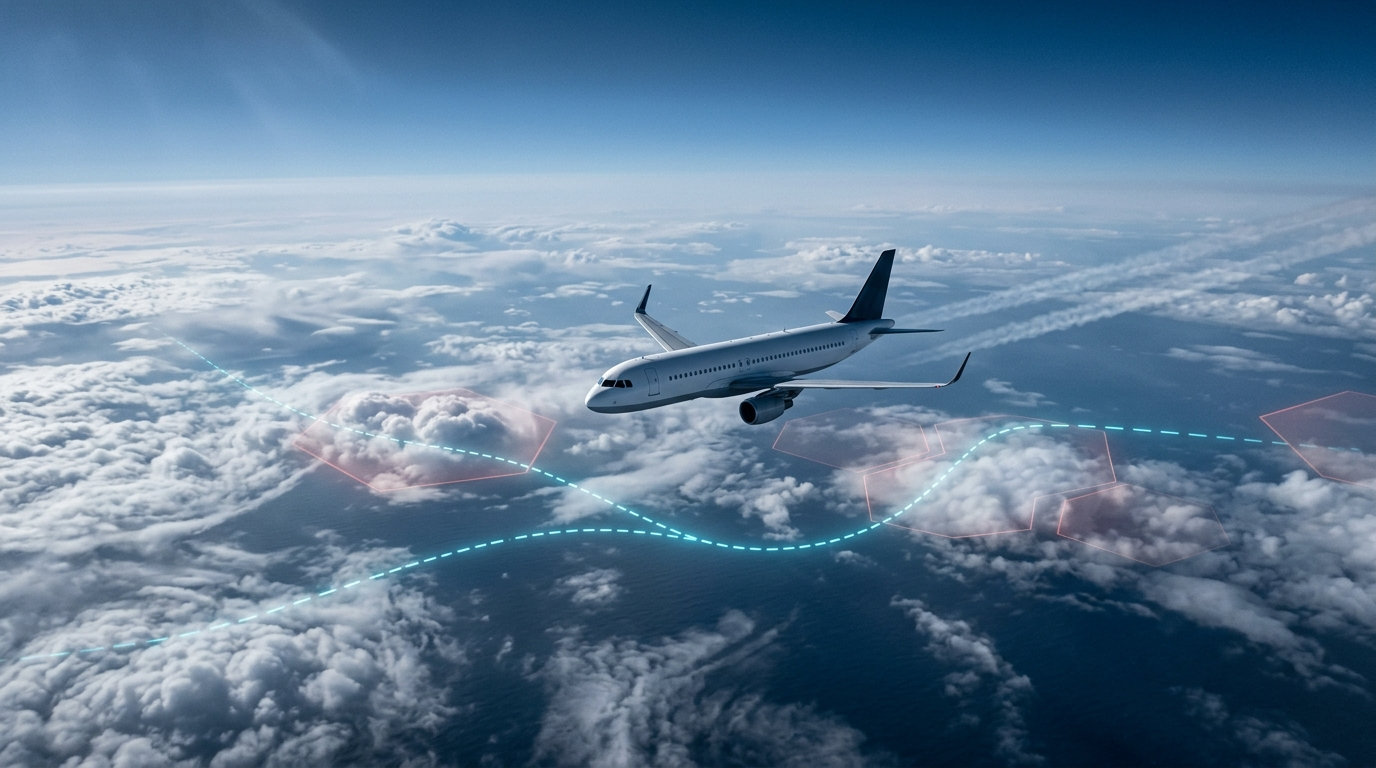
Operation Blue Skies: a 30-month program tests over the North Atlantic whether AI forecasts can cut aviation's warming contrails.
In a scam simulation, an AI chatbot got 46 percent of participants to install a risky app – human scammers managed only 18 percent.
New Epoch AI survey with Ipsos: 20 percent of US workers hand tasks to AI that used to go to people — 66 percent of outputs are used nearly unchanged.
New research finds AI-generated e-books now make up about 31 percent of new top-25 entrants on Amazon — and are dragging down human authors' earnings.
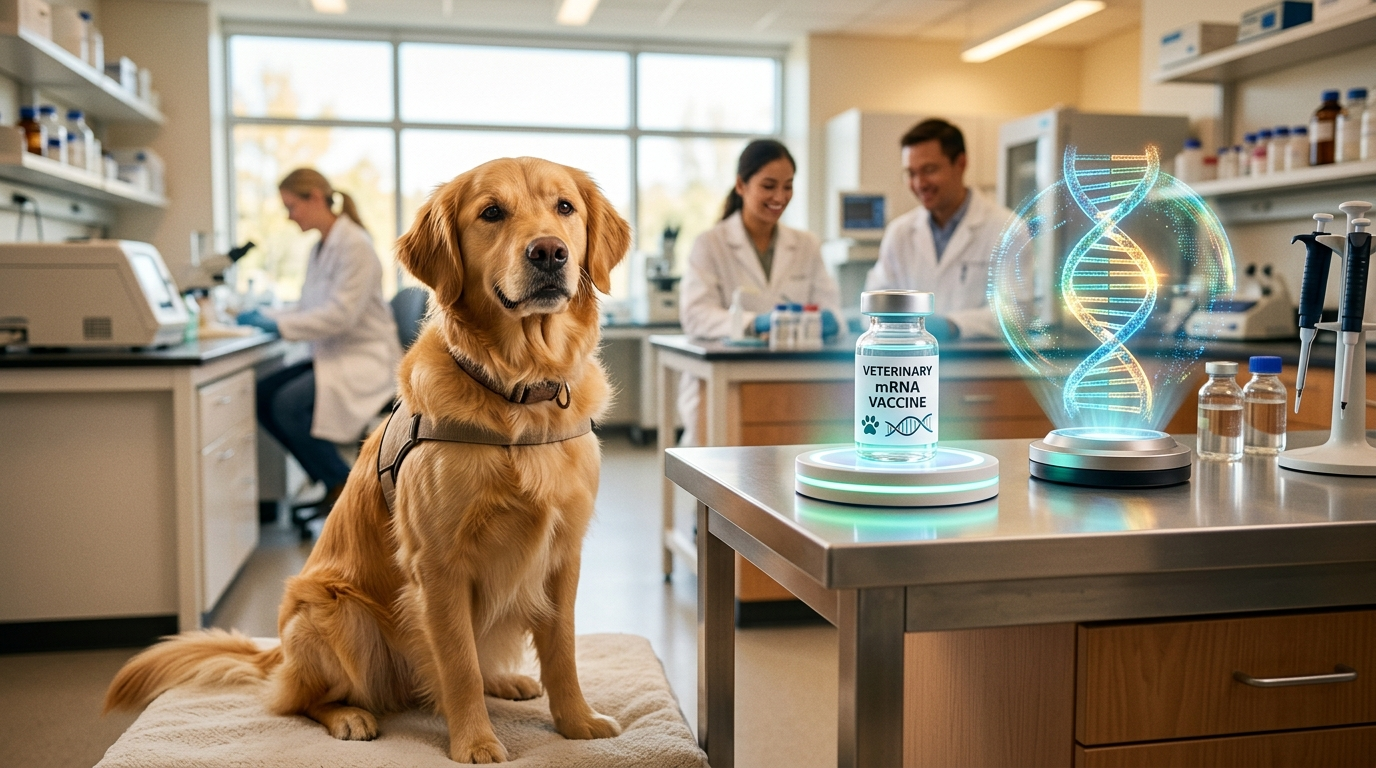
An AI-designed mRNA vaccine that helped one dog with cancer has grown into a Y Combinator startup: Gamgee wants to scale the therapy.
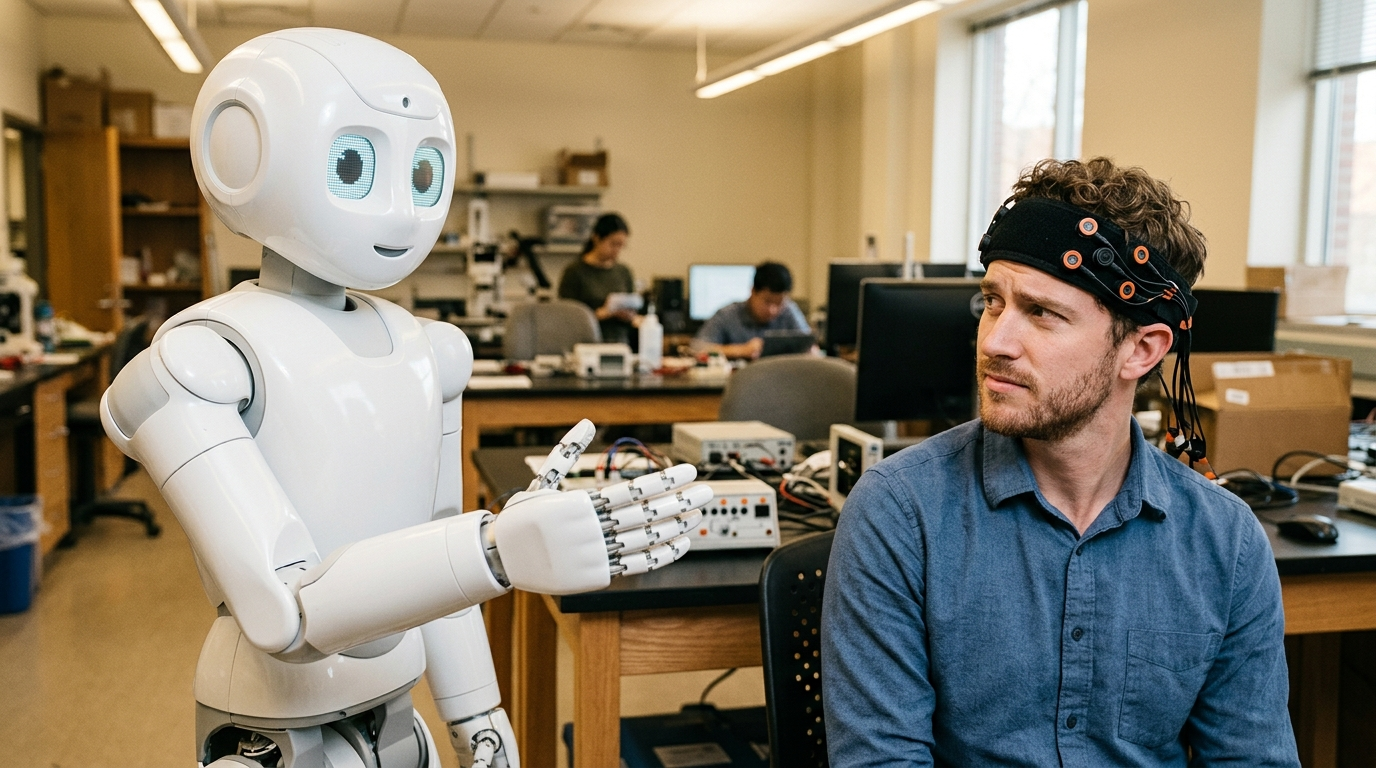
Gestures and eye contact build rapport — but after errors, expressive robots' influence drops by more than half, a Science Robotics brain study shows.
Anthropic's new risk report lifts its misalignment estimate from "very low" to "low" — and deliberately holds back a stronger internal model.
Through its Daybreak program, OpenAI opens an offensive-security model to vetted professionals – one that has already found Chrome zero-days.
Consumer and business Copilot apps are being merged into one – unsuccessful features like Podcasts and the Mico avatar are cut.
Just three weeks after its predecessor, Google ships Gemini 3.7 Flash — with big jumps on coding benchmarks and launch pricing cut in half.
Three Claude instances worked on the same system with conflicting goals – and started a turf war of malware, lockouts and disguise tactics.