Reuters: US Military Money Paved Way for Unitree's Robot Dogs
A Reuters investigation traces how Pentagon-funded research at MIT and UPenn laid the groundwork for China's robotics star Unitree — up to its record IPO.
In short
What is this about?
At a glance
- Reuters investigation into the Robotics Collaborative Technology Alliance (2010–2020)
- Unitree 2025 sales: 5,500 humanoids and 18,000 quadrupeds; Go2 from $1,600
- Shanghai debut August 2026: +629 percent, briefly ~$66 billion valuation
- Pentagon list of Chinese military firms (June 2026), FCC import ban (July 2026)
- US rival Ghost Robotics: ~1,000 units sold, priced above $165,000
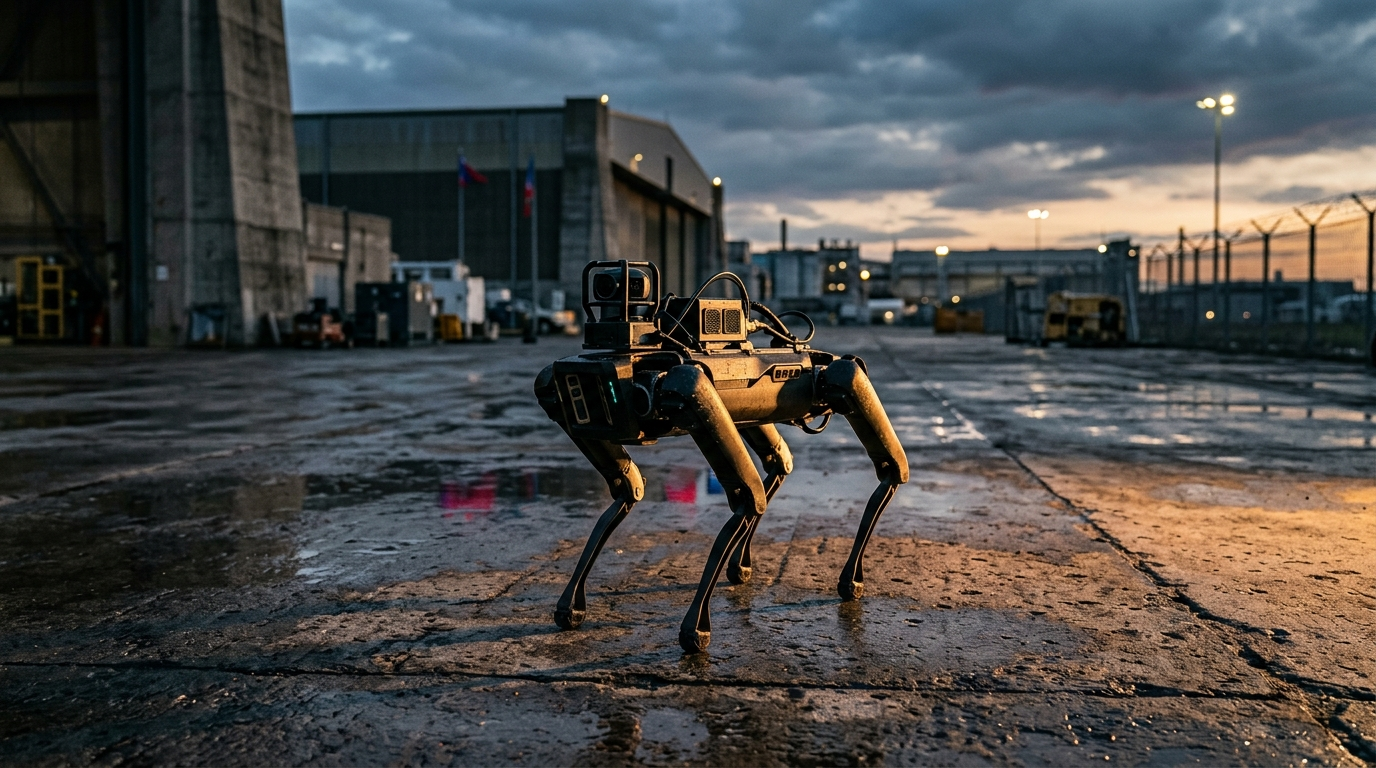
What is this about? A Reuters investigation traces how US military research laid the foundations for the robot dogs of Chinese manufacturer Unitree. At its centre is the US Army's Robotics Collaborative Technology Alliance (2010–2020), which brought together researchers from the University of Pennsylvania, MIT, Boston Dynamics and NASA — partly with DARPA funding.
How did the technology reach China? MIT researcher Ben Katz found that the dimensions of Unitree's Go series matched his openly documented Mini Cheetah design "to the millimeter"; within months of his 2019 thesis, copies of its actuators "could be bought on AliExpress". Unitree founder Wang Xingxing cited the MIT work in his master's thesis and acknowledged its "pioneering" role. Ghost Robotics founder Gavin Kenneally calls the Army programme the basis of "basically, the first Unitree robot that had any kind of scale".
How big is Unitree today? In 2025 the company sold 5,500 humanoid robots and 18,000 quadrupeds, according to Reuters; the Go2 launched in 2023 at $1,600. At its Shanghai listing in August 2026, the stock surged 629 percent on day one — briefly valuing the company at around $66 billion, the South China Morning Post reports.
Why is this sensitive? Chinese state television has shown Unitree robots operating with People's Liberation Army troops, including an armed variant. The Pentagon added Unitree to its list of Chinese military companies in June 2026; in July the FCC banned future imports of foreign humanoid and quadruped robots. Yet in 2023 the US Army itself bought two Unitree Go2 robots under a waiver — citing a lack of domestic alternatives.
What follows from this? US competitor Ghost Robotics has sold only about 1,000 units at prices above $165,000, while Unitree models sell in the US for under $100,000. Experts warn, per Reuters, that an import ban alone will not build competitive US manufacturing — the debate over research transfer and industrial policy is set to intensify.
FAQ
What does the US Army have to do with Unitree?
Pentagon-funded programmes at MIT and UPenn produced openly published designs and actuators on which, per Reuters, Unitree's commercial robot dogs build.
Did Unitree steal the technology?
The investigation describes legal use of openly published research; MIT's Ben Katz points to near-identical dimensions, not theft.
How is the US responding?
By adding Unitree to the Pentagon's list of Chinese military companies and via an FCC ban on future imports of foreign humanoid and quadruped robots.