Tokio Marine launches AI robot insurance in Japan
The insurer starts selling cover for AI-driven robots in November, with premiums priced about 20 percent above those for conventional industrial robots.
In short
Tokio Marine Holdings will start selling a policy written specifically for AI-powered robots in November 2026 — the first such product from a Japanese nonlife insurer — at premiums roughly 20 percent above conventional industrial robot cover.
At a glance
- Launch: November 2026, described by Nikkei Asia as the first AI robot policy from a Japanese nonlife insurer.
- Pricing: premiums about 20 percent above comparable cover for conventional industrial robots.
- Market argument: Nikkei cites a global physical AI market above $80 billion within ten years.
- Not disclosed: product name, coverage limits, deductibles, exclusions and eligible robot types.
- Source is paywalled: only the headline, standfirst and opening paragraph of October 25, 2026 are verified.
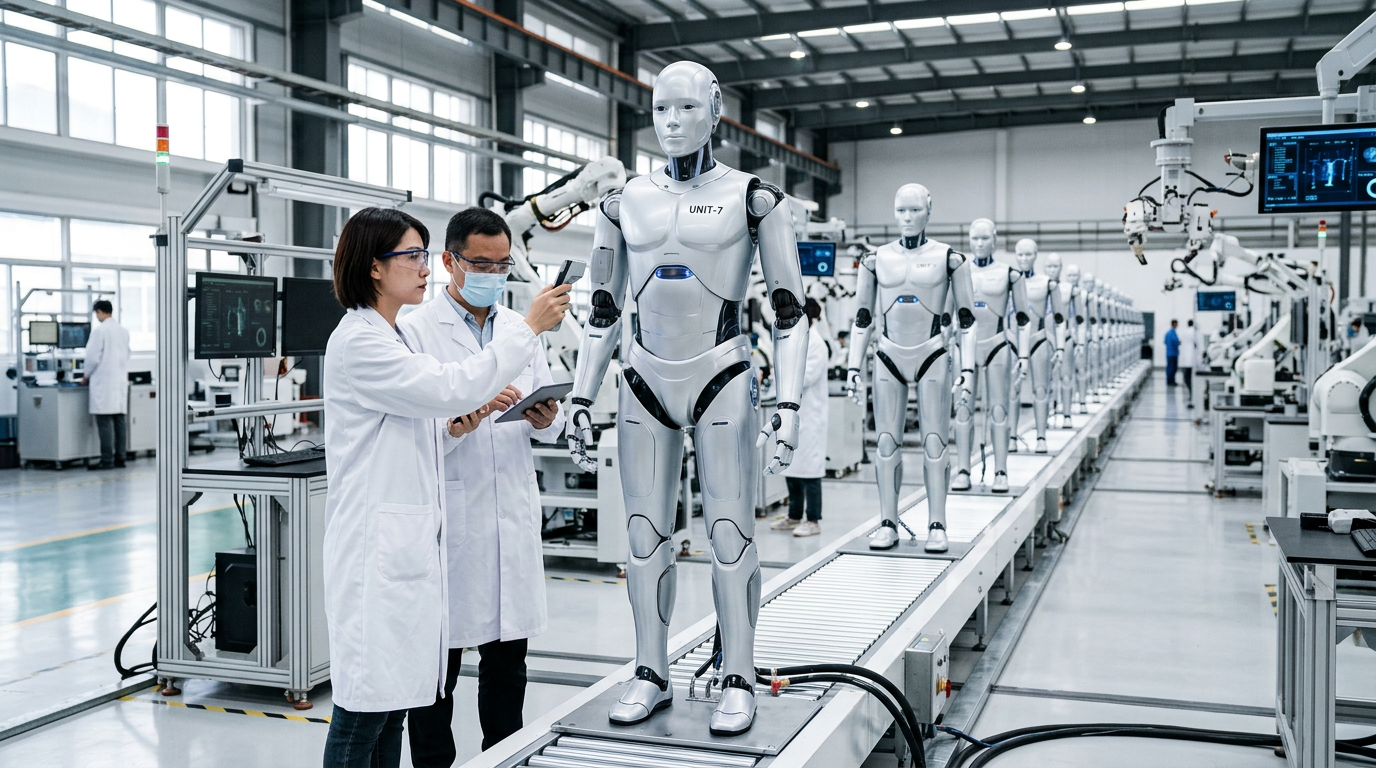
From November 2026, Tokio Marine Holdings will sell a policy written for robots that run on artificial intelligence rather than fixed programming. Nikkei Asia describes it as the first product of its kind from a Japanese nonlife insurer. Premiums are set about 20 percent above those for comparable industrial machines. The report ties the move to a global market for physical AI expected to pass $80 billion within ten years.
The verified facts, and the gaps
Only the headline, standfirst and opening paragraph of the Nikkei Asia report sit outside its paywall. That leaves four checkable data points: the insurer, the launch month, the 20 percent premium gap and the $80 billion market forecast. The product name, coverage limits, deductibles, exclusions and the list of eligible robot types are not in the accessible text. We flag those gaps rather than filling them with reasonable-sounding guesses.
What a 20 percent surcharge prices in
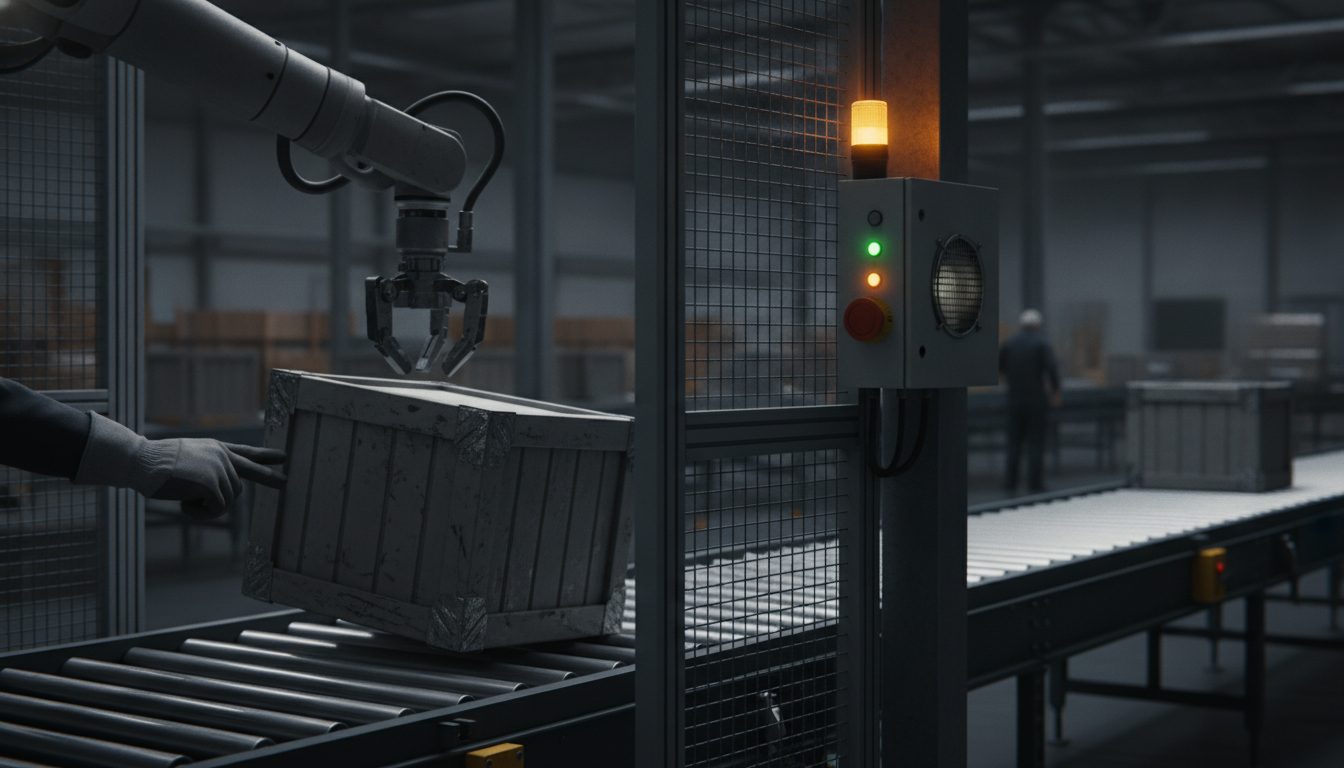
A caged assembly robot repeats one taught motion, and insurers hold decades of loss data for exactly that. A machine acting on a learned model can respond to a situation no factory acceptance test covered. The actuarial problem shifts from predictable wear toward one-off events with no precedent to price against. Reading the surcharge as the cost of that missing loss history is our interpretation; Tokio Marine does not show its math in the published excerpt.
Liability is the hard part
When a learning system damages property or injures someone, fault can sit with the robot maker, the model vendor, the systems integrator or the plant operator. Any policy aimed at that scenario has to name whose exposure it absorbs. The wording that would answer this is precisely what the paywall hides. For Japanese manufacturers the immediate change is narrower: one more counterparty willing to put a price on the risk.
How much to read into it
The $80 billion figure is a forecast for the machines themselves, not for insuring them, and it says nothing about the size of the new line. Whether the launch turns into real premium volume will only be visible once contracts are signed. The report names no rival insurer preparing something similar, which is not the same as saying none exists. The original article by Masahiro Kurabayashi was published on October 25, 2026.
FAQ
What does Tokio Marine AI robot insurance actually cover?
The accessible part of the Nikkei Asia report names only the target machines and the launch month. Coverage scope, limits and exclusions have not been published, and we do not fill them in by inference.
When does the policy launch and how much does it cost?
It goes on sale in November 2026. On price the report gives only a comparison: roughly 20 percent more than comparable cover for conventional industrial robots. No absolute figures are stated.
Who is liable when an AI-powered robot causes damage?
Responsibility can fall on the robot maker, the model vendor, the integrator or the operator. Which of those parties the new policy protects is not stated in the accessible text.