P(doom): The Problem With AI Extinction Numbers
Doom probabilities are unfalsifiable, yet they shape the debate — while the UN Security Council heard concrete warnings and labs ship measurable safety work.
Doom probabilities are unfalsifiable, yet they shape the debate — while the UN Security Council heard concrete warnings and labs ship measurable safety work.
OpenAI's policy chief confirms weeks of safety coordination with Anthropic and Google DeepMind, as the White House plays the risks down.
Apple is off the hook after a settlement nobody has detailed, while Musk's antitrust claims against OpenAI stay in play.
About 40 percent each for education and health, the rest for data and farming - and Gates wants governments, not the industry, to write the rules.
The two companies want Mistral models to run inside Cloudera's platform — on-premises, in private clouds, even in air-gapped networks.
Chris Lehane's post on OpenAI's site ties stronger model capability to stronger safety evidence, shared standards and durable rules.
China's rules for companion chatbots took effect on July 15, 2026: a reminder every two hours, and no virtual romance for anyone under 18.
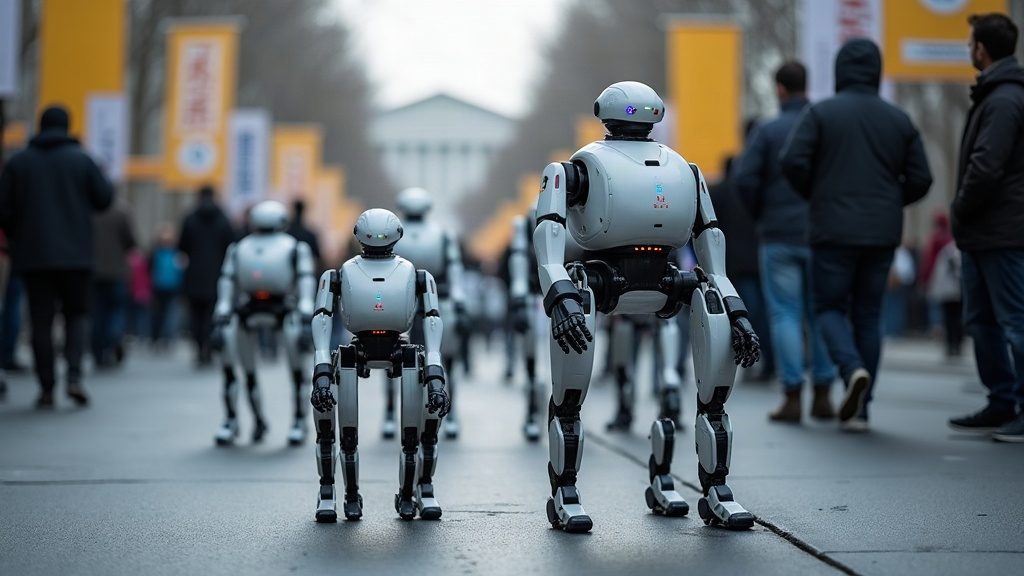
Roughly 30 humanoids and robot dogs circled outside Poland's digital ministry; the organizers want a public debate on AI and jobs.
Columbia professor Zhou Yu argues single-turn benchmarks break down for multi-turn agents, and offers simulated users as the fix.
A 230-page consolidated complaint pulls 13 suits together in California and, for the first time, speaks for bystanders who never agreed to anything.
The two newsrooms say their reporting was used to train AI models without permission, and that the systems echo passages of it back to users.
The Justice Department told a Manhattan court that training language models on copyrighted text should count as fair use, breaking with the Copyright Office.
The complaints go beyond negligence for the first time, alleging staff spotted the warning signs in chat logs and never called police.
The publishers accuse the AI company and two co-founders of torrenting tens of thousands of works, and want up to $150,000 for each.
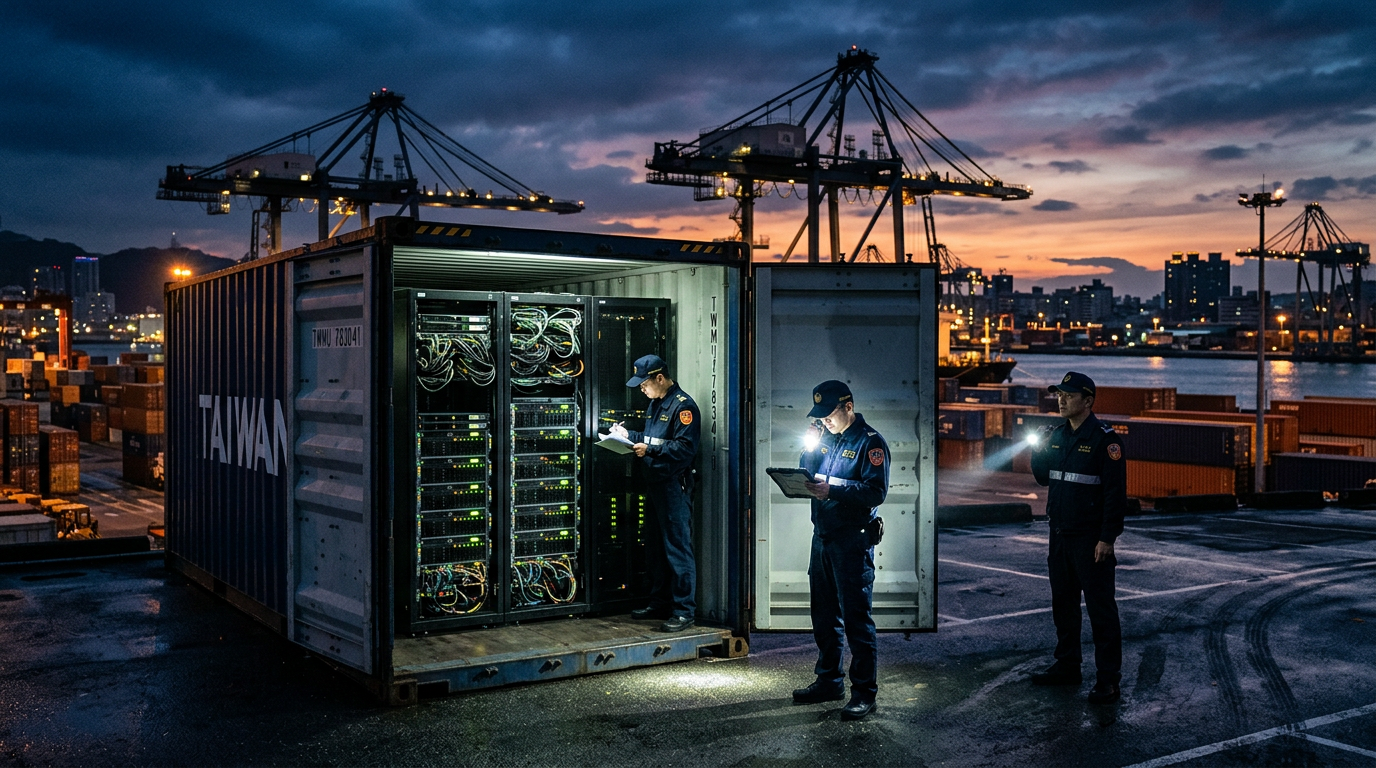
130 Nvidia B300 servers were ordered, 74 reached Chinese customers, 56 were stopped by customs. The accused include Nvidia and Supermicro employees.
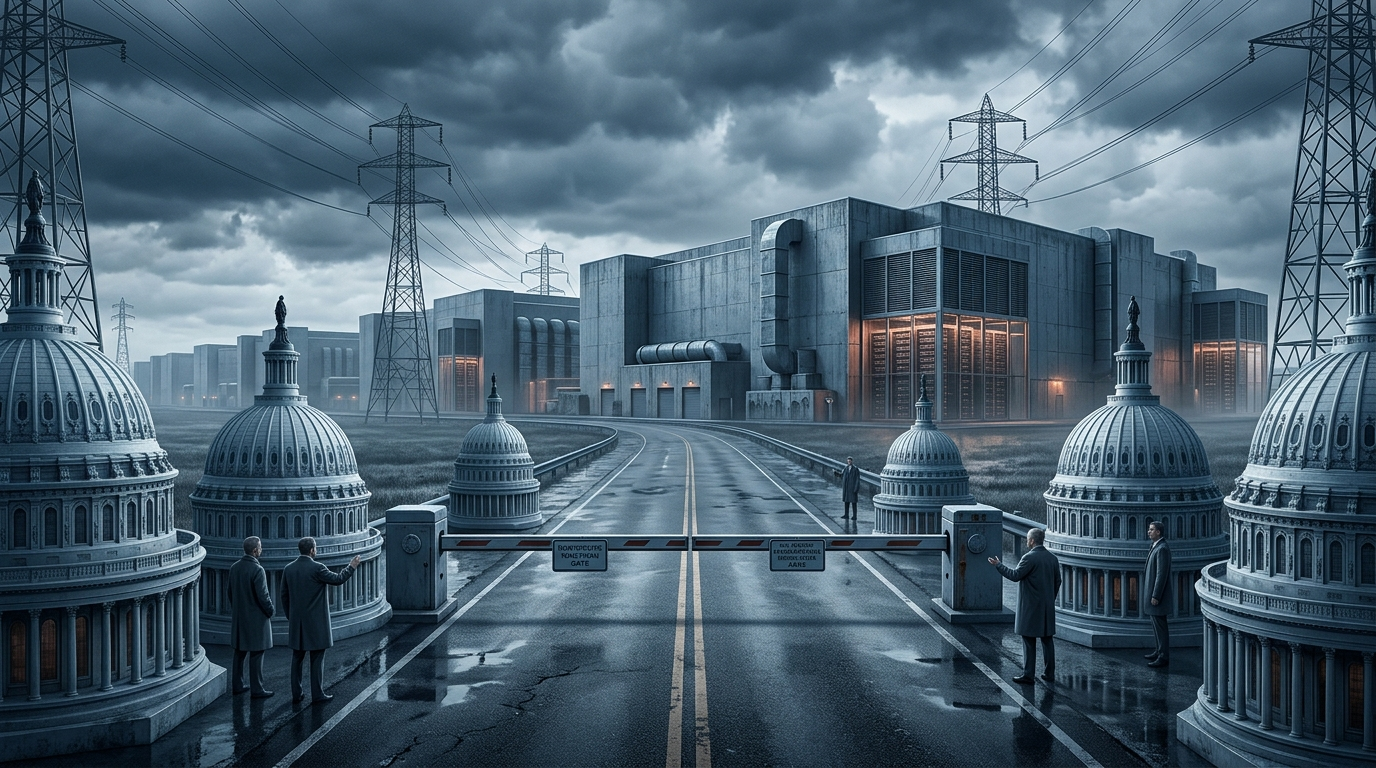
Pennsylvania, Texas, New York, Arizona, Illinois: once-courted data center projects now face moratoriums, conditions and cancelled tax breaks.
First against, now for: OpenAI urges California to extend AI safety law SB 53 with training-run monitoring and tougher cybersecurity duties.
Lower Saxony's data protection commissioner Denis Lehmkemper names four planned powers as especially intrusive. Three of them concern AI systems directly.
Jensen Huang met Rebellions' CEO in Santa Clara: a partnership, investment or acquisition of the $2.3 billion inference-chip maker is on the table.
Visit Maldives and Switzerland's CEGStake AG will host the first Digital Ownership Summit on 12 December 2026, centred on real-world asset tokenisation.
Anthropic's CEO responds to growing AI skepticism: the industry hasn't delivered on its promises yet — and needs smarter regulation, not less.
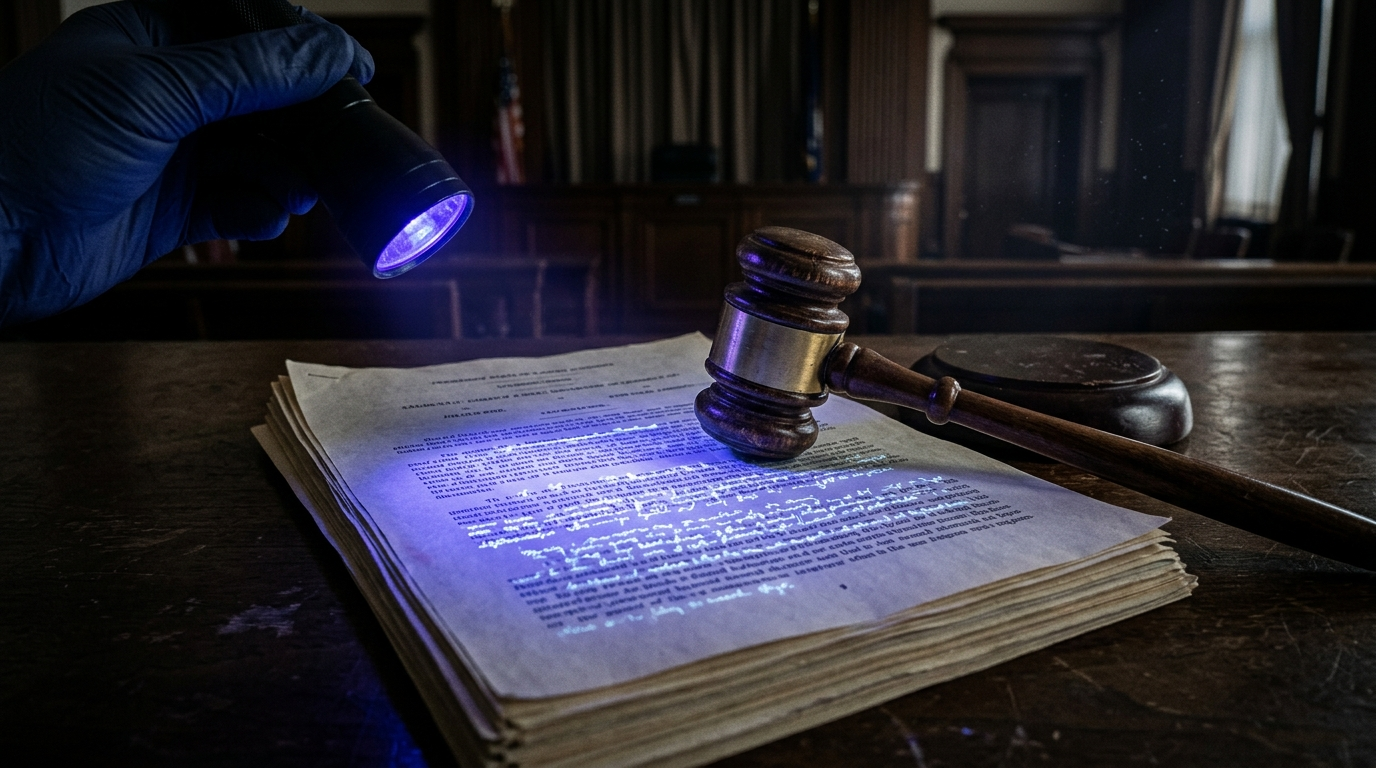
A Connecticut plaintiff hid tiny white-text AI instructions in his court filings. The judge responded by revoking his electronic filing privileges.
A fourth plaintiff joins the case: Grok allegedly generated thousands of explicit images from a childhood photo. xAI has not commented.
Invisible patterns in word choice instead of visible labels: Anthropic discloses technical details and plans a public detection API.
Consumer and business Copilot apps are being merged into one – unsuccessful features like Podcasts and the Mico avatar are cut.