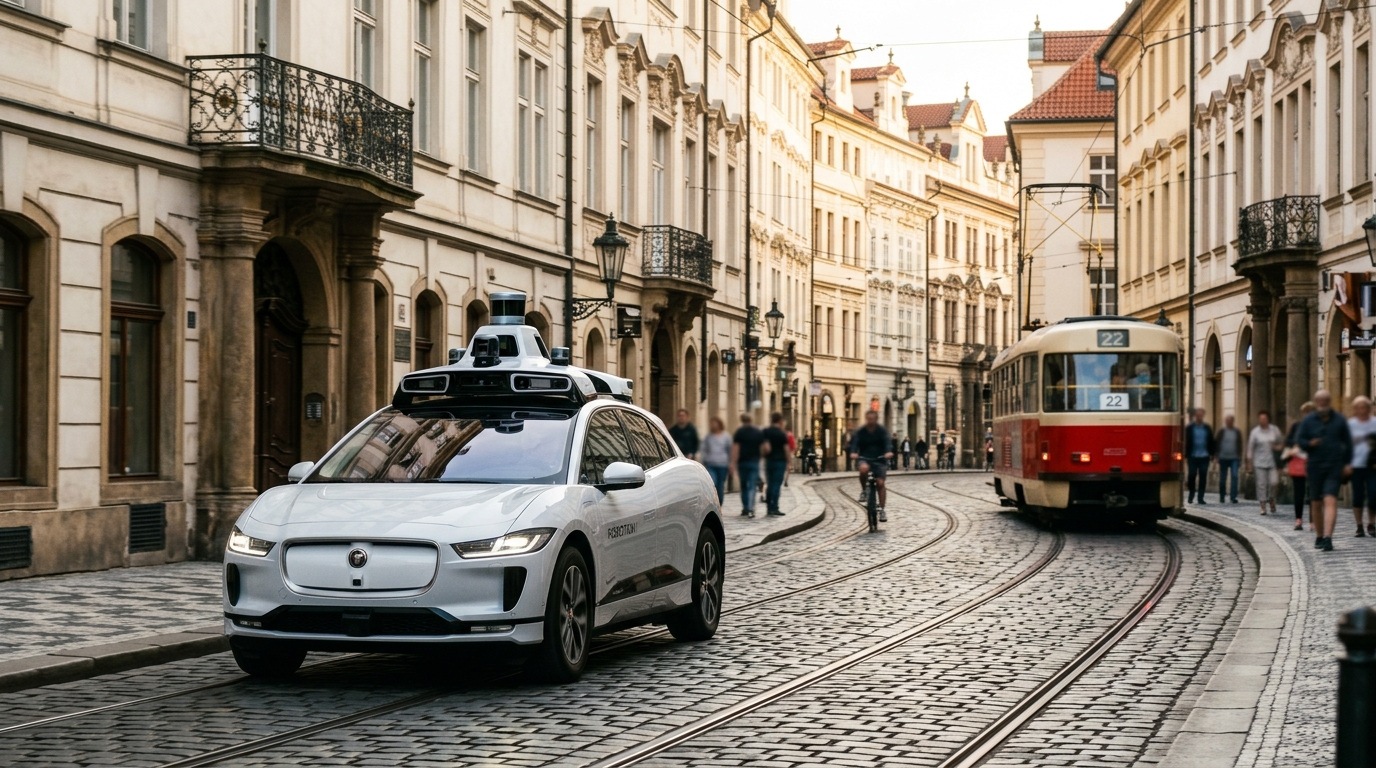
Waymo Plans Driverless Taxis in Munich by Late 2027
Alphabet's robotaxi unit aims to run driverless rides in Munich from late 2027; mapping cars with human drivers start on the streets within weeks.
In short
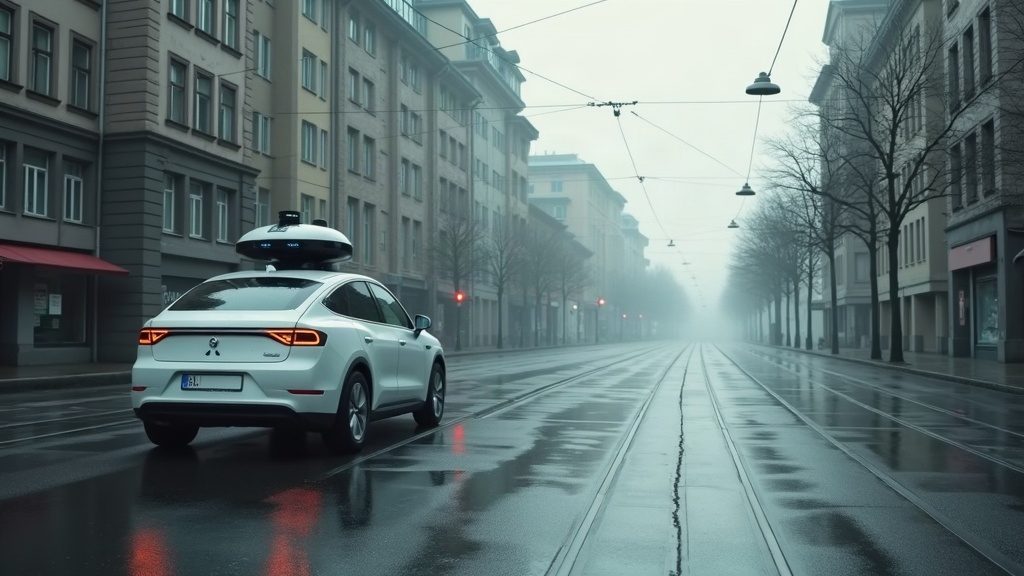
Waymo intends to launch a driverless taxi service in Munich at the end of 2027 and will begin mapping the city's street network within the coming weeks.
At a glance
- Driverless service target: end of 2027 in Munich.
- Mapping begins within the coming weeks, with trained specialists driving the cars manually.
- Waymo cites more than 20 million autonomous rides and over 350 million fully autonomous kilometers driven.
- Waymo has been preparing operations in London since April 2026; Munich is to use electric vehicles only.
- Uber and Israeli company Autobrains announced a joint robotaxi program for Munich as well.
Waymo says it wants to offer rides without a driver in Munich by the end of 2027. If that holds, the Bavarian capital would be the first city in the European Union where the Alphabet subsidiary runs a regular driverless service. The visible work, however, starts long before 2027.
Mapping comes first, with people behind the wheel
Within the coming weeks, Waymo will put cars on Munich's streets driven manually by trained specialists. Their job is to record high-resolution maps of the road network and capture local traffic conditions. No driverless rides are planned during this stage.
That sequence is standard for the company: without a detailed prior map, the system does not operate in a new city. For the service itself, Waymo says it will deploy electric vehicles exclusively in Munich.
Europe's second site after London
Munich is not the company's first European move. Waymo has been preparing operations in London since April 2026, which makes Europe a second build-out rather than a pilot on the margins of its US business.
As a track record, Waymo points to its own figures: more than 20 million autonomous rides and over 350 million kilometers driven fully autonomously. Both numbers come from the company and are not independently audited.
Political backing in Berlin and Bavaria
The plan has found political support. Parliamentary State Secretary Christian Hirte and Florian Herrmann, head of the Bavarian State Chancellery, spoke in favor of the project.
That matters practically. Autonomous services in Germany require regulatory clearance, and a state government that publicly backs a project makes the path through those approvals more predictable.
Munich is turning into a contested market
Waymo will not have the city to itself. Uber and the Israeli company Autobrains announced a joint robotaxi program for Munich as well. Two competing announcements aimed at a single European city is unusual; operators have so far tended to divide the region country by country.
What the announcement leaves open
Several questions stay unanswered. The available reporting gives no figures for fleet size, pricing, the exact service area inside Munich, or when the first driverless test rides will take place.
Nor does it show which permits are already in hand and which are still pending. Late 2027 is a company target, not an approval that has been granted. In practical terms, Munich faces roughly two years of preparation before the first ride with nobody at the wheel.
FAQ
When does Waymo start service in Munich?
The driverless service is targeted for the end of 2027. That is a company timeline, not an approval that regulators have already issued.
Will Waymo cars in Munich drive without a human right away?
No. Mapping comes first over the coming weeks, and trained specialists drive the vehicles manually during that phase.
Which other European cities does Waymo operate in?
Waymo has been preparing operations in London since April 2026. Munich would be its first EU city with a regular driverless service.