SpaceX Plans $100 Billion Spaceport in Louisiana
The company wants two Starship pads on Louisiana's Gulf coast, with construction from 2027 and a first launch expected in 2029.
In short
SpaceX intends to spend up to $100 billion on a third launch site, this one on the Louisiana coast.
At a glance
- Site: Pecan Island, Vermilion Parish, on Louisiana's Gulf coast, covering about 506 square kilometers.
- Announced investment: up to $100 billion.
- Timeline per t3n: construction starts 2027, first launch 2029.
- Two Starship pads are planned; Starship has flown twice so far in 2026.
- Louisiana Governor Jeff Landry backs the project.
SpaceX laid out plans on Tuesday for a third launch site, this one on the southern coast of Louisiana, at a stated cost of up to $100 billion. The location given is Pecan Island in Vermilion Parish, covering roughly 506 square kilometers. Two pads for the Starship vehicle are planned on the site.
A site the size of a city
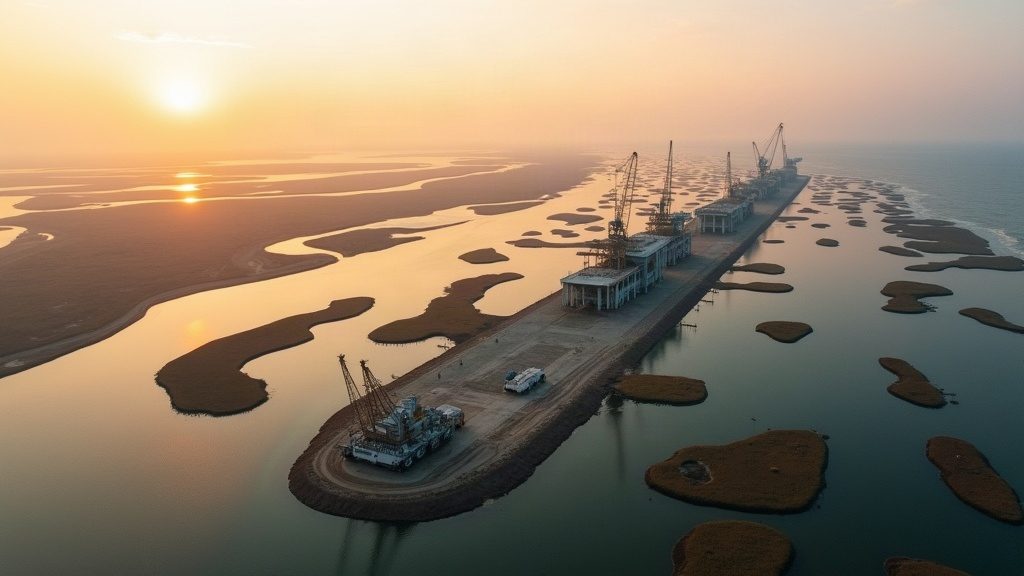
The ground in question is thinly populated marshland on the Gulf of Mexico. SpaceX said it would work with the state on restoring the coastline, naming the marshes around the site and protection against storm surge. Elon Musk described the project as a spaceport that until now had existed only in science fiction.
Why a third site
Building and launching today happens mainly in south Texas, and a second pad is going up at Cape Canaveral in Florida. The constraint is flight rate: Starship has lifted off only twice so far in 2026. Musk points to several launches a day once the new site is fully built out, and the figure attached to Louisiana is thousands of launches a year. Governor Jeff Landry is behind the plan.
What the state gets
For a coastal region with a weak local economy, the pitch is jobs. Reports mention thousands of positions paying well above local wage levels, but no firm headcount appears in either article reviewed here. Nothing specific has been published on tax breaks or other state commitments.
Timeline and open questions
The 2027 construction start and the 2029 first launch come from the t3n report; the second article reviewed gives no date at all. That timeline therefore rests on a single source and should be treated as provisional. Permits, environmental conditions and the source of the $100 billion are all unresolved. A third German-language report could not be retrieved for this article, so the details here rest on t3n and Handelsblatt.
The Texas record
The existing south Texas site has drawn criticism for years, including Clean Water Act violations, property damage after explosions and failed Starship tests. Read against that record, the coastal restoration pledge in Louisiana looks like an attempt to head off the same fight twice.
FAQ
Where will SpaceX build its new spaceport?
On Pecan Island in Vermilion Parish on Louisiana's Gulf coast, across roughly 506 square kilometers.
When is the first launch from Louisiana expected?
t3n reports construction beginning in 2027 and a first launch in 2029. The second report reviewed gives no date.
How much will the site cost and how many launches are planned?
The figures given are up to $100 billion and thousands of launches per year, using two Starship pads.