Muse Spark Open: Meta's 816B Open-Weight Release
Meta's open model activates 42 of 816 billion parameters per token, holds a million-token context – and, Meta says, runs on two Mac Studio desktops.
In short
On October 15, 2026, Meta released Muse Spark Open, a downloadable multimodal model with 816 billion total parameters of which 42 billion are active per token.
At a glance
- 816 billion parameters in total, 42 billion active per token, with a context window of up to 1 million tokens.
- Modalities are text, image, video and audio. It builds on August's Muse Spark 1.2 plus added safety post-training.
- JobBench: 61.8 against 31.1 for Inkling and 27.2 for Nemotron 3 Ultra. MCP-Atlas tool use: 89.2, highest in the field.
- Terminal-Bench 2.1 coding: 76.4, behind Kimi K3 at 85.
- License is free with a “Built with Muse Spark Open” label; hosted providers above $20 million revenue need a separate deal.
On October 15, 2026, Meta released Muse Spark Open, a downloadable multimodal model with 816 billion total parameters of which 42 billion are active per token. The context window reaches 1 million tokens, and the model handles text, images, video and audio. SiliconANGLE reports the starting point was Muse Spark 1.2 from August, with safety post-training layered on afterward.
Strong on agents, softer on code
The published scores split cleanly. On the JobBench agent test the model reaches 61.8, well clear of Inkling at 31.1 and Nemotron 3 Ultra at 27.2. On MCP-Atlas tool use it scores 89.2, the highest figure in the comparison set.
Coding is where it gives ground. Terminal-Bench 2.1 puts Muse Spark Open at 76.4, behind Kimi K3 at 85. The Decoder also lists HLE-Diamond and ZeroBench among the test suites but publishes no numbers for them, so we have no verified figures for those two. Meta places itself ahead in the agentic, knowledge and reasoning, and multimodal categories while conceding the coding gap.
A terabyte on a desk
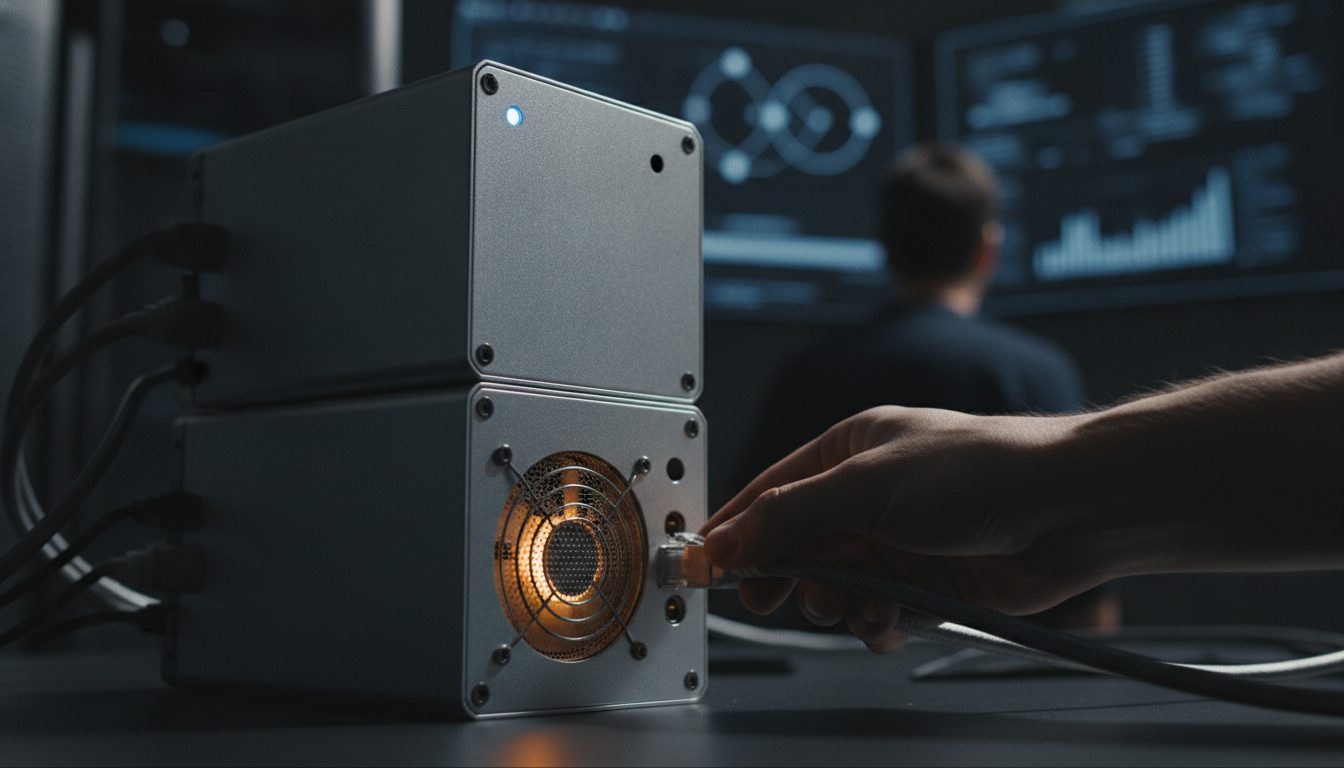
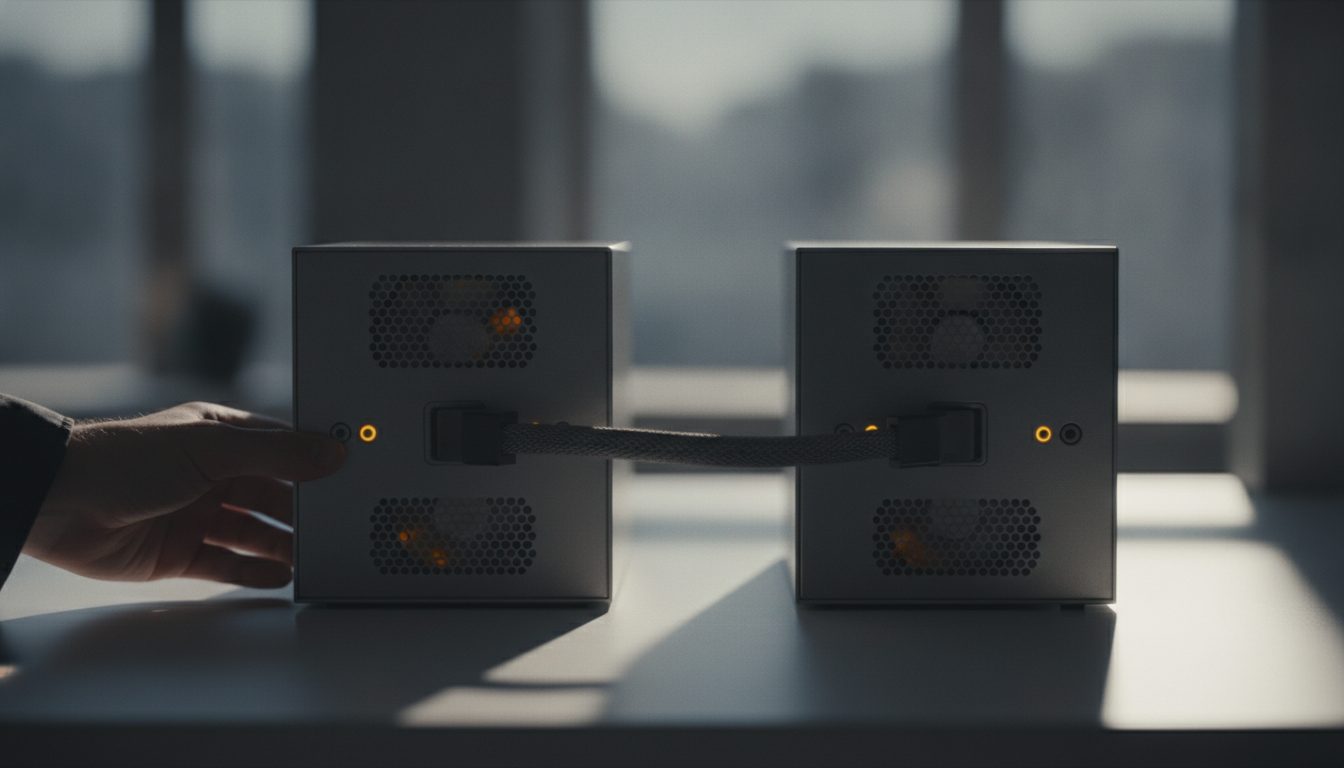
The most striking part of the release is where Meta ran it. According to SiliconANGLE, the company tested the model outside the data center on two Mac Studio desktops with M5 Ultra chips, stitched into a single system by Apple's MLX framework. Each machine carries 512 GB of unified memory, roughly a terabyte together.
What that setup actually delivers is unclear. Neither report gives quantization details or token throughput, so “runs locally” is for now a claim about memory footprint rather than speed.
Free, with conditions attached
The Muse Model License arrives under what Meta calls “limited commercial terms.” Developers who adapt the model or ship it inside their own software pay no fee. Companies selling it as a hosted service with more than $20 million in revenue over twelve months need a separate agreement, and products must carry a “Built with Muse Spark Open” label.
Military and critical-infrastructure uses are barred. The weights sit on Hugging Face, and SiliconANGLE lists Groq, Fireworks AI, AWS, Google and Microsoft as further routes to the model.
How much of this is Meta's framing
Meta calls it the most capable open-weight model to come out of a U.S. lab so far. That is a vendor claim rather than an independent measurement, and the comparison set explains the geographic hedge: Qwen 3.8, GLM 5.3 and Kimi K3 all come from Chinese labs. Against Meta's own paid Muse Wonder Full tier, The Decoder reports the open model falls clearly short, without naming figures.
Open questions remain. Neither report says whether a wider family follows, how the license squares with established open-source definitions, or how much the Terminal-Bench gap costs in day-to-day coding work. For teams planning long agent runs on hardware they own, the Mac Studio detail is the most concrete thing in the announcement.
FAQ
How big is Muse Spark Open?
816 billion parameters in total, with 42 billion active per token and a context window of up to 1 million tokens. It handles text, images, video and audio.
Is Muse Spark Open free for commercial use?
Yes, with a “Built with Muse Spark Open” label on your product. Companies selling it as a hosted service with more than $20 million in revenue over twelve months need a separate agreement with Meta, and military or critical-infrastructure use is prohibited.
What hardware does Muse Spark Open need to run locally?
Meta tested it on two Mac Studio desktops with M5 Ultra chips, 512 GB of unified memory each, linked into one system by Apple's MLX framework. Neither source publishes throughput figures.