Meta's Muse agent is coming to its smart glasses
At Connect, Meta said voice-activated Muse will reach its glasses in the coming months — a day after a report that humans placed its calls.
In short
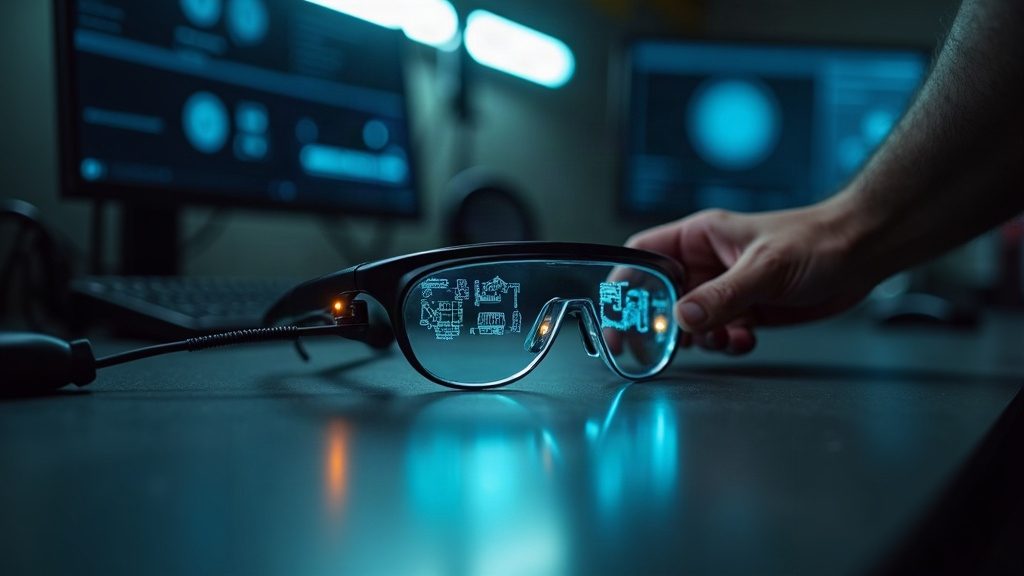
Meta says it is working on bringing its Muse agent to its smart glasses in the coming months, where saying the agent's name starts tasks such as workout guidance, meal logging, appointment booking and product shopping.
At a glance
- Announced at the Meta Connect keynote in Menlo Park on September 23, 2026.
- Users start the agent by saying its name; it keeps working in the background and checks back when a job is done.
- Named tasks: workout guidance, meal logging, appointment booking, product shopping.
- Timing given only as the coming months — no date, no price, no list of supported models.
- 404 Media reported on September 22, 2026 that trained humans placed Muse's calls in internal testing.
Meta says it is working on putting Muse, its AI agent, on its own smart glasses. At the Connect keynote in Menlo Park on September 23, 2026, the company said wearers will be able to summon the agent by saying its name and hand it a task. There is no launch date — only the coming months.
What the agent is meant to do on a face
The examples Meta named are deliberately mundane: coaching a workout, logging a meal, booking an appointment, shopping for a product. The placement matters more than the feature list. There is no screen and no app to open, and the agent is supposed to keep running in the background until it reports back with a result.
Chief AI officer Alexandr Wang framed the pitch on stage as walking away from your computer while the agent finishes the jobs you queued up. That is a statement of intent, not a benchmark. Muse itself has only been out for a few weeks.
A day-old report complicates the pitch
On September 22, 2026, 404 Media reported that Muse phone calls Meta had presented as agent work were, in internal testing, placed by trained humans in a call center. According to that report, Meta told staff a human layer had been added so that calls would actually get completed.
Employees flagged the obvious reading — that the model was not good enough to finish the job alone — and one warned that shipping it publicly as the default would draw heavy criticism. Some testers only learned a person had made the call after it ended, which matters when the call concerns a medical appointment. A Meta spokesperson said internal testing is how safety and privacy protections get built in, and that features roll out only with proper disclosures.
What is still unknown
Appointment booking sits on the glasses feature list, and appointment booking is precisely the task humans were quietly handling. Meta has not said whether a call started from the glasses runs end to end without a person.
Price, markets and which of the glasses shown at Connect actually receive Muse are open as well. One further report on the hardware details could not be retrieved while this piece was written; everything above rests on the two sources linked below.
FAQ
When will Muse work on Meta's smart glasses?
Meta only pointed to the coming months. There is no launch date yet, and no price or list of supported glasses.
How do you start Muse on the glasses?
By saying the agent's name, according to Meta. It then keeps working in the background and checks back once the task is finished.
Does Muse place phone calls on its own?
In internal testing, 404 Media reported, trained humans in a call center placed them. Meta has not said whether calls started from the glasses run fully automatically.