Von der Leyen Puts AI at the Center of EU Policy
The Commission president gave AI top billing in her State of the Union address, naming five target sectors while critics flag water and labor gaps.

In short
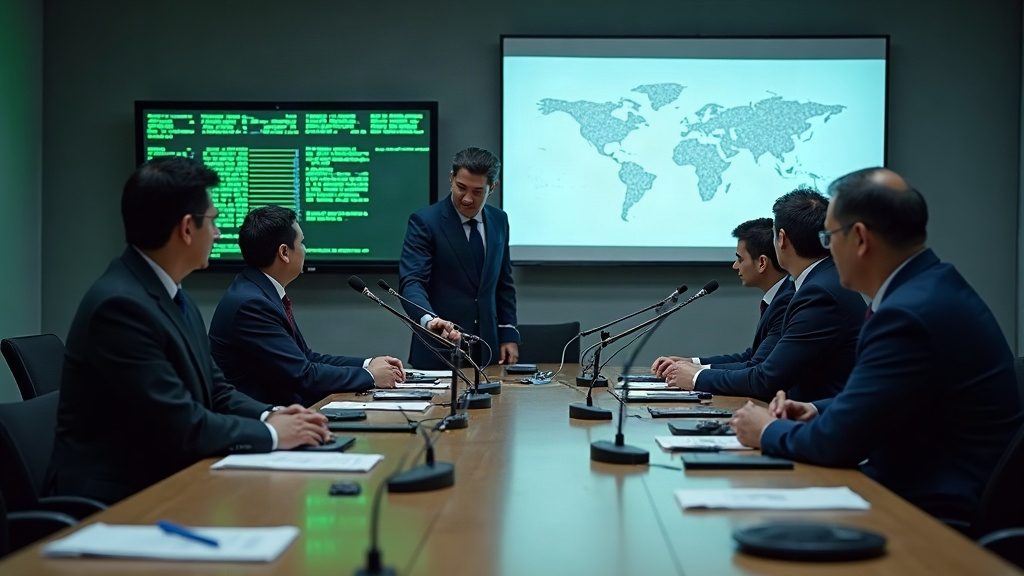
Ursula von der Leyen made artificial intelligence the centerpiece of her 2026 State of the Union address, promising initiatives in five sectors in November 2026 while announcing no new AI rules.
At a glance
- September 16, 2026: AI shared top billing with climate change in the State of the Union address.
- Five target sectors: health, transport, agriculture and food, advanced manufacturing, defense and space.
- The Commission schedules concrete initiatives for those five sectors in November 2026.
- A Quality Jobs Act is due by the end of 2026; an EU Kids Act with age checks is also announced.
- The AI Act stays the frame; the speech announces no new AI rules.
Artificial intelligence was one of the two subjects Ursula von der Leyen built her September 16, 2026 State of the Union address around, alongside climate change. Her framing was an endorsement rather than a caution: in German, „Wir wollen KI“ — we want AI. What the speech did not carry was any new rule aimed at the technology itself.
The industrial shortlist
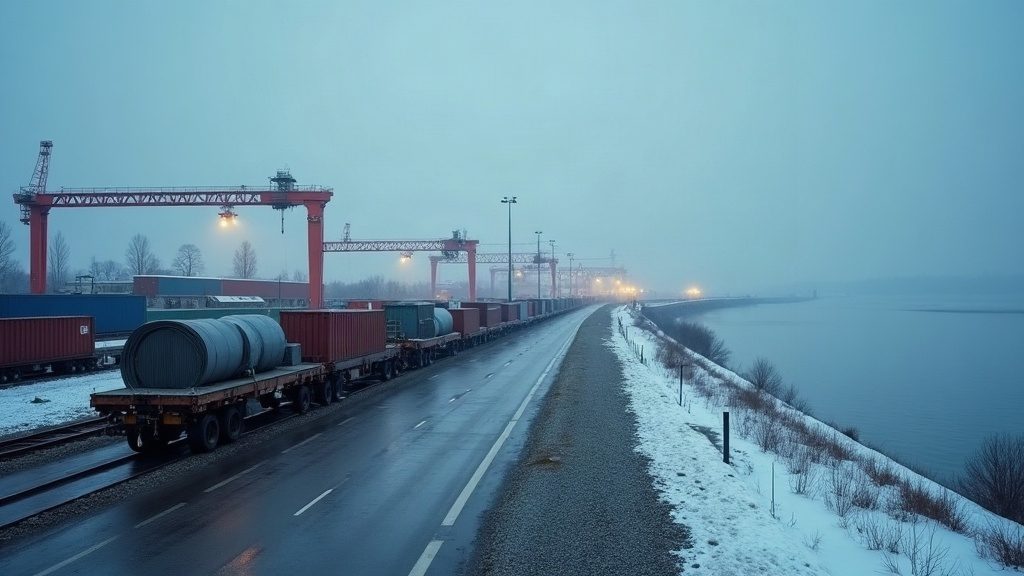
Brussels intends to push AI into five sectors first: health, transport, agriculture and food, advanced manufacturing, and defense and space. Initiatives covering them are slated for November 2026. Von der Leyen sketched a technology landing in factories, hospitals, power grids and defense systems. The AI Act appeared in her account as a settled building block, not as a starting point for tightening.
Two conditions, little machinery
The endorsement came with two attached conditions: AI should create more value and do so more responsibly, with lower energy consumption and with humans keeping control. Neither the measurement nor the enforcement of that lower consumption was spelled out. For minors she flagged an EU Kids Act with age verification for social networks. On labor, she pointed to a Quality Jobs Act due by the end of 2026.
What the speech left out
The gap netzpolitik.org presses on is water. Von der Leyen did address it — rivers such as the Danube, the Rhine and the Garonne are vanishing in front of us, she said — and announced a European water initiative. She did not connect that to the data centers her AI agenda depends on. The report also reads the employment effects as marginalized, notes that business associations reject added regulation outright, and places the whole speech inside a Commission course aimed at deregulation.
Sovereignty, tested the same day
The gap between ambition and capacity showed on the same date. Canada's Cohere is taking over Heidelberg-based Aleph Alpha, with CEO Aidan Gomez stating the merger agreement is concluded and signed. The combined company is pitched as a Canadian-German technology champion, backed by an announced Germany-Canada alliance for technological sovereignty, and aimed squarely at US incumbents OpenAI and Anthropic. Gomez was candid about where Europe stands: ahead on sovereignty, behind on quality.
Open questions
None of the reporting reviewed here attaches euro figures to the announced AI plans, so this article attaches none. For the Cohere-Aleph Alpha deal, the purchase price, valuation, headcount and the name of the merged entity are not established by the sources read. A third report, from the Frankfurter Allgemeine Zeitung, could not be retrieved and was not used; nothing in it is confirmed or disputed here.
FAQ
What did von der Leyen say about AI in the 2026 State of the Union?
She made AI one of the two main themes alongside climate change, endorsed it outright, and tied that endorsement to lower energy consumption and human control.
Which five sectors will the EU target with AI first?
Health, transport, agriculture and food, advanced manufacturing, and defense and space, with initiatives announced for November 2026.
Is the EU planning new AI legislation beyond the AI Act?
Not in this speech. The AI Act was cited as the existing framework; what was announced instead was a Quality Jobs Act by the end of 2026, an EU Kids Act and a water initiative.