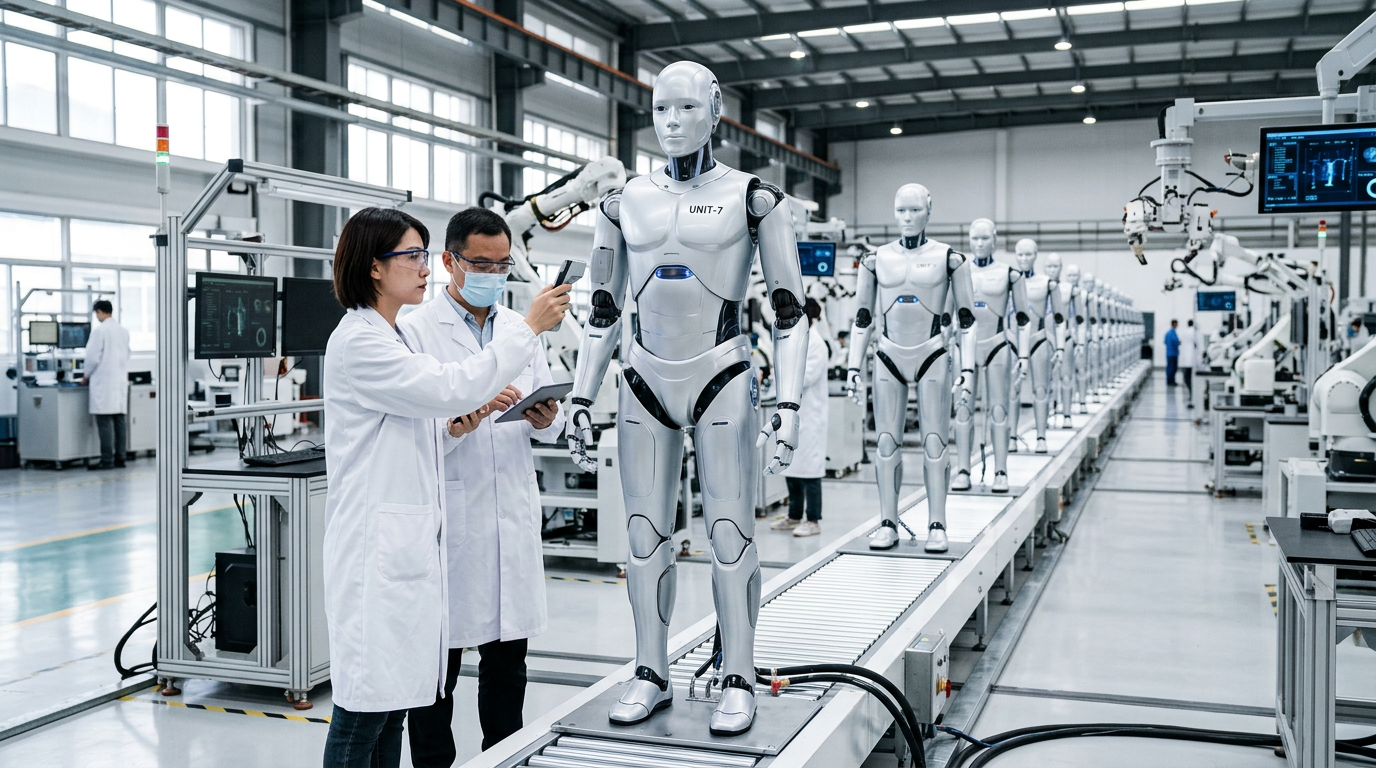
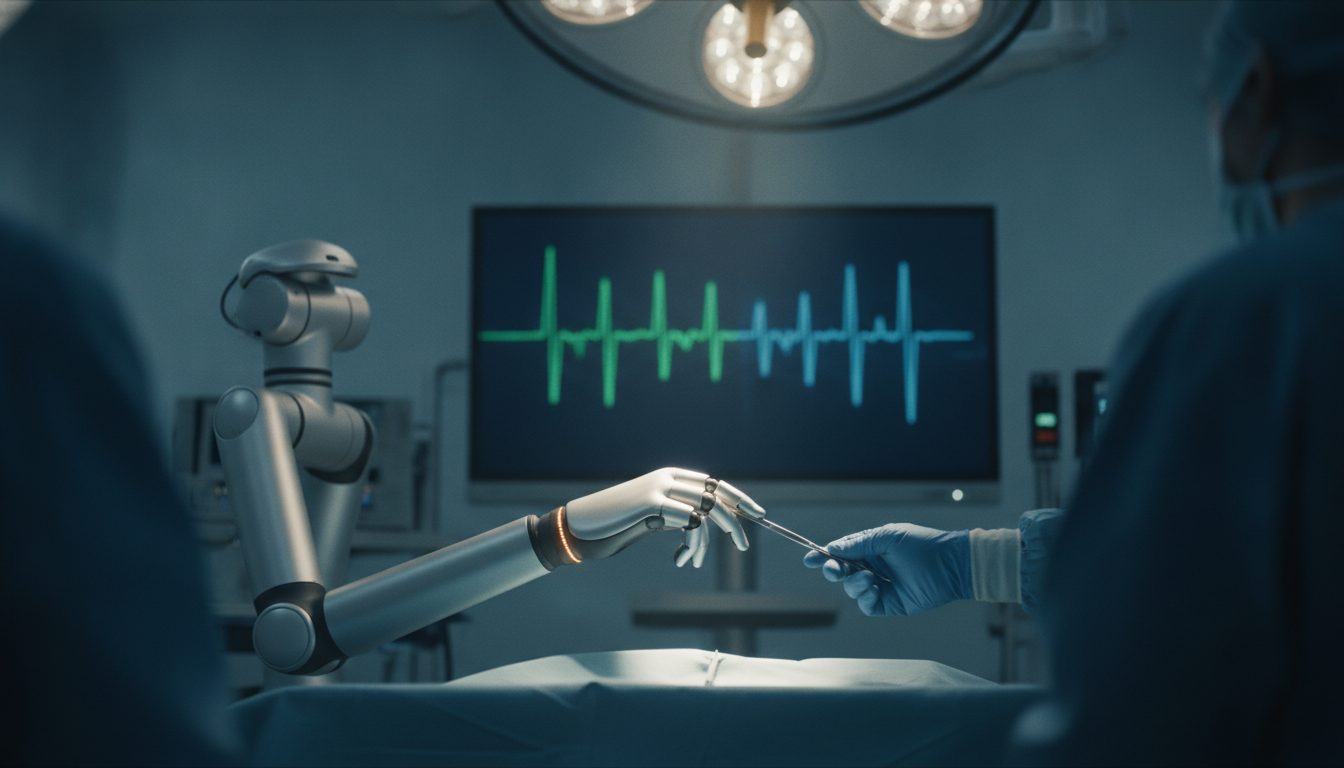
ByteDance Ramps Up Its Robotics Hiring Drive
The TikTok owner is advertising around a dozen robotics roles as it tries to push embodied AI research out of the lab and onto real hardware.
In short
ByteDance is filling around a dozen robotics positions in a push to turn its embodied AI research into hardware it can sell.
At a glance
- ByteDance is recruiting for around a dozen robotics positions.
- Stated aim: move embodied AI research out of the lab and into physical hardware.
- The company is based in Beijing and runs TikTok and Douyin.
- Basis is a South China Morning Post report; only one newsroom has covered it.
- Unconfirmed: team size, locations, product plan, timeline and budget.
ByteDance is filling around a dozen robotics positions in a push to turn its embodied AI research into hardware it can sell. The Beijing-based owner of TikTok and Douyin is stepping up its search for robotics specialists, according to the South China Morning Post.
The size of the move
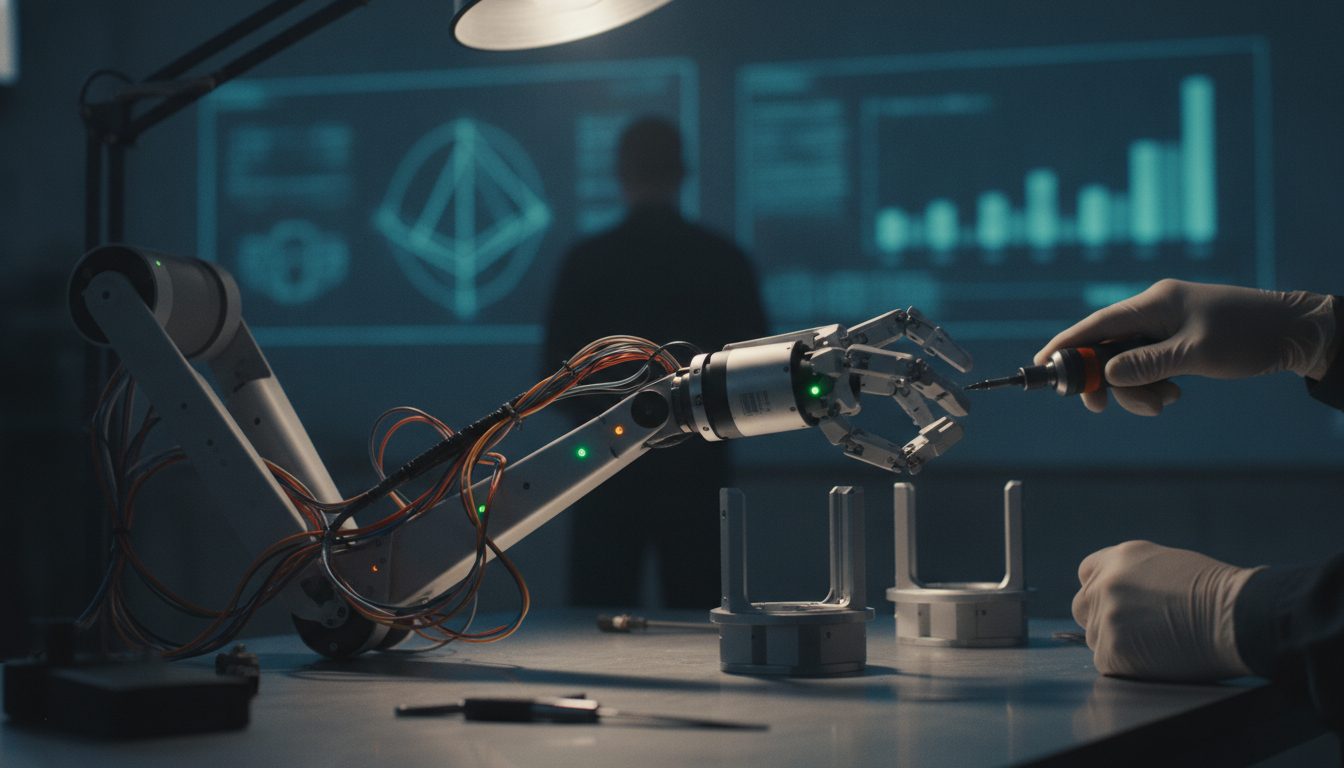
A dozen or so openings is a team being built or widened, not a corporate reorganisation. What matters is the direction rather than the headcount: ByteDance wants people who can wire models into actual actuators, grippers and sensors.
Lab to hardware is the expensive part
Embodied AI means systems that act through a physical body instead of only handling text or images. The research-to-product gap is where the money goes. A model that solves a task on a bench has to survive manufacturing tolerances, wear, latency budgets and safety cut-outs before anyone ships it.
That is the seam a hiring round like this targets. Commercialising robotics work needs control engineering, mechanical design and systems integration, not just model training. Job postings are therefore the earliest publicly visible sign that a company intends to convert a research line into a product line.
What this report does not establish
The underlying article could not be retrieved for this summary, so the analysis rests on a short excerpt. That leaves open which lab or sites the roles belong to, the exact role profiles, and whether any specific device is planned.
Timelines, budgets, production volumes and launch dates are likewise unconfirmed, and we are not introducing numbers the excerpt does not support. Only one newsroom has reported the move so far, so there is no independent corroboration.
Why it still matters
ByteDance grew on recommendation systems and video platforms — software with no mechanical consequences. Hardware changes the risk profile: supply chains, manufacturing, warranties and workplace safety all enter the picture. A dozen job ads cannot tell you whether the company will follow this through to a shipped product. They do tell you it is keeping the option open.
FAQ
How many robotics jobs is ByteDance hiring for?
Around a dozen open robotics positions. A breakdown by role or location is not supported by the material available.
What is embodied AI?
AI systems that act in the physical world through a body — sensors, grippers and drives — rather than only processing text or images.
Is ByteDance building its own robot?
That is not established. The report describes moving research into physical hardware, but names no specific product, timeline or budget.