Japan's Hard-Drive Suppliers Grow on AI Storage Demand
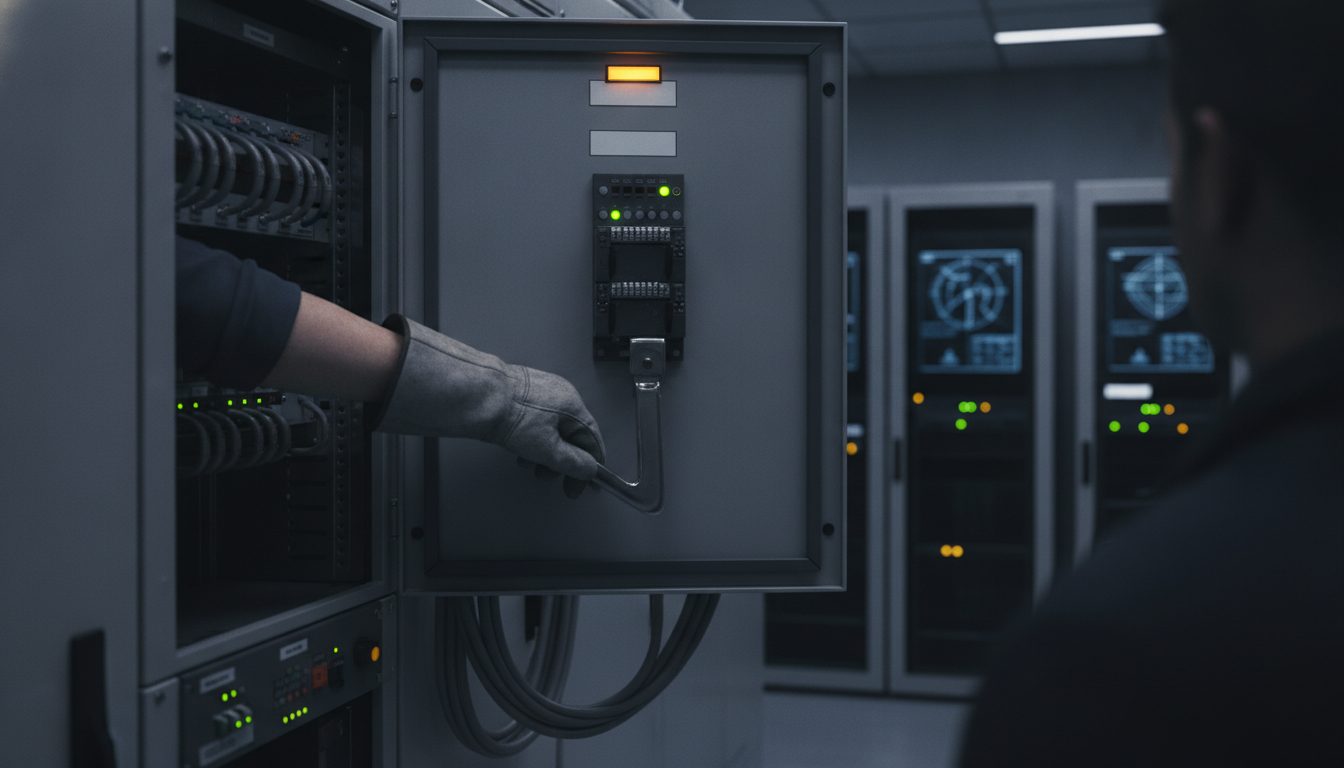
Resonac Holdings and TDK are expanding output of hard-disk drive parts because AI data centers keep absorbing ever more storage capacity.
In short
Japan's hard-drive component makers are scaling production back up because the AI build-out is pushing storage demand higher, and Nikkei names Resonac Holdings and TDK as the firms benefiting.
At a glance
- Nikkei Asia, October 3, 2026: Japanese firms are expanding output of hard-disk drive components.
- Named in the piece: Resonac Holdings and TDK; Toshiba appears in a separate Nikkei report.
- Japan's edge, per Nikkei: storage media and magnetic heads, built on coordination between firms.
- The driver is storage demand from AI data centers, not a new product launch.
- Investment, capacity and revenue figures sit behind Nikkei's paywall and remain unconfirmed.
Japan's hard-disk drive supply chain spent years being written off as a shrinking business. A Nikkei Asia report dated October 3, 2026 describes the opposite happening: component makers are adding capacity because AI workloads need somewhere cheap to park data. Resonac Holdings and TDK are the two names the report puts forward.
What the report actually says
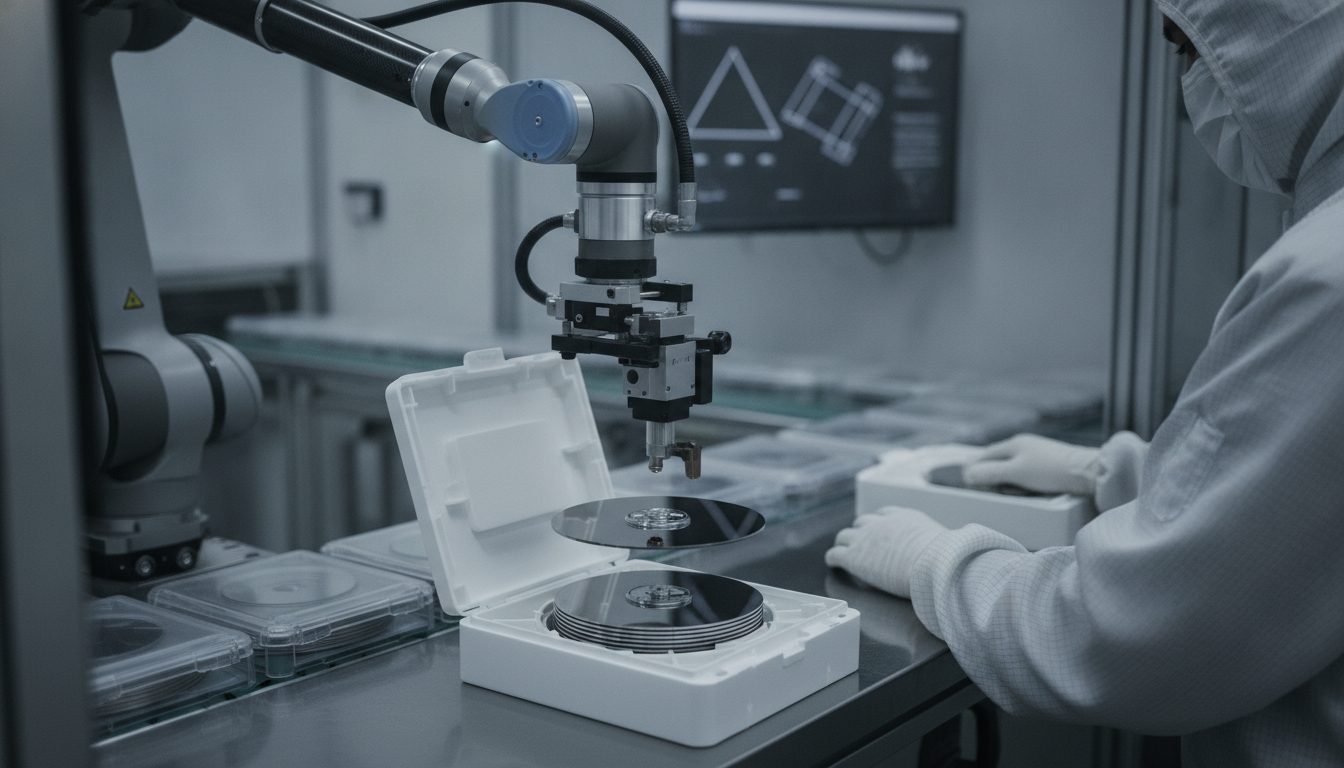
Nikkei frames this as a race to expand production of hard-disk drive parts, set off by the fast spread of artificial intelligence. The standfirst credits Japan's lead in two component categories: storage media, meaning the coated disks inside the drive, and magnetic heads, which do the reading and writing. That lead is attributed to coordination across several companies rather than to a single national champion.
Why AI data centers still want spinning disks
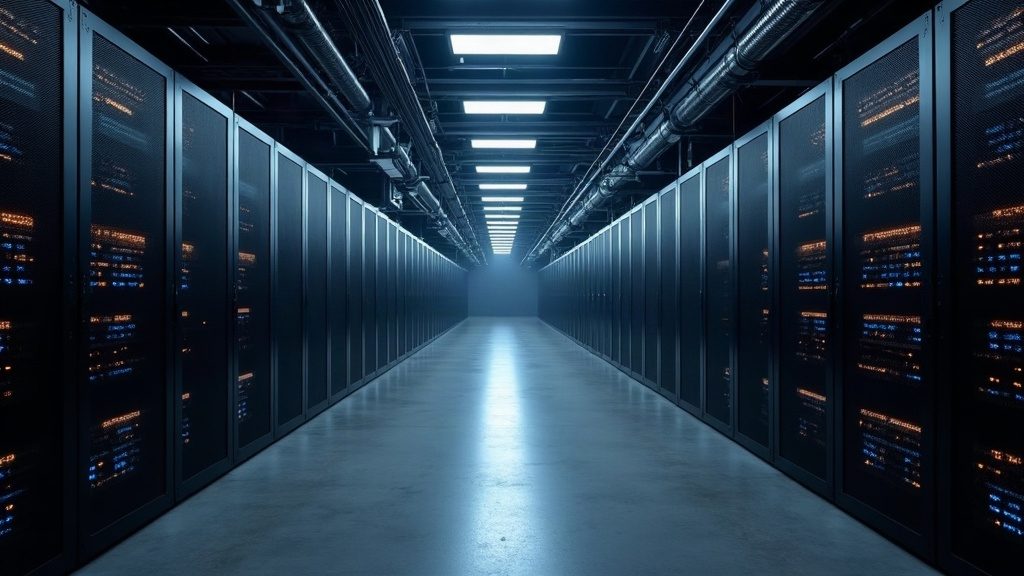
This section is background, not reporting lifted from the article. AI clusters pile up training corpora, model checkpoints, logs and derived media that have to be retained yet are rarely touched. Per terabyte, mechanical drives stay far cheaper than flash for that warm and cold tier. So the capacity growth shows up at hard-drive suppliers instead of on SSD lines.
What we could not verify
The full Nikkei piece is paywalled. Only the headline, standfirst, byline, date and opening paragraph were readable. This article therefore carries no capital-expenditure totals, no capacity targets and no revenue numbers, because none of them could be checked against the source. Treat figures circulating elsewhere as unconfirmed until the original is read in full.
Toshiba in the margins
The same page links an earlier Nikkei story headlined “Toshiba to double hard-disk drive supply to fill AI chip memory gap”. We read that headline only, not the article behind it. It is worth flagging because it shows Nikkei placing Toshiba in the same demand story. It is not evidence for any particular supply volume.
FAQ
Which Japanese companies gain from AI-driven hard-drive demand?
Nikkei names Resonac Holdings and TDK. Toshiba shows up in a separate Nikkei report covering the same demand trend.
Why do AI data centers still buy hard disks instead of only SSDs?
Cost per terabyte: mechanical drives carry rarely-read bulk data such as training sets, checkpoints and logs. That explanation is our context, not a claim from the report.
How much are Japan's hard-drive suppliers investing?
This source does not say. The Nikkei article is subscriber-only, and only the headline, standfirst, date and first paragraph were readable, so we publish no figures.