Philippines bets $34.4bn on becoming an AI hub
Manila's seven-year masterplan pledges $34.4 billion for AI infrastructure and aims to pull in $21 billion of private money by 2033.
In short
The Philippines is staking $34.4 billion over seven years on nationwide AI infrastructure, trying to convert a services-driven economy into a regional home for heavy computing.
At a glance
- Size: $34.4 billion over seven years for AI infrastructure across the country.
- Target: $21 billion in private-sector investment by 2033.
- Shift: away from a soft-skills services model toward high-power processing.
- Announced September 8, 2026; reported by Nikkei Asia (Ramon Royandoyan).
- Not confirmed: sites, data center capacity in megawatts, phasing of individual builds.
The Philippines wants to spend $34.4 billion over seven years building AI infrastructure nationwide, with $21 billion of that meant to come from private investors by 2033. It is a deliberate move away from an economy built on people-heavy services toward one built on processing capacity.
The confirmed numbers
Nikkei Asia puts the masterplan at $34.4 billion and its span at seven years. The private-sector target is $21 billion, with 2033 as the deadline. Both figures come from the September 8, 2026 announcement. How the money breaks down by project or by year is not in the publicly readable portion of the report.
From talent to throughput
The stated pivot is from a soft-skills strategy to high-power processing. That changes what the country sells: not hours of human work, but compute that keeps running whether or not anyone is in the building. Nikkei frames the announcement against an accelerating Southeast Asian contest for digital dominance.
The regional picture
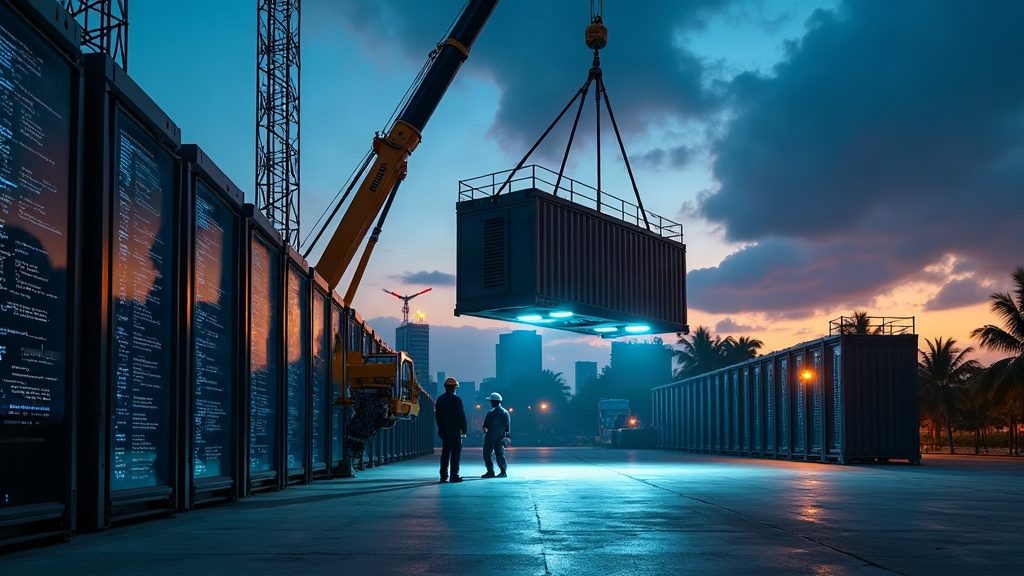
Manila is entering a build-out that neighbors started earlier — the Nikkei report illustrates the story with a data center in Malaysia's Johor state. Whether $34.4 billion is large or modest by regional standards cannot be settled from this report alone. We do not have comparable capital figures for Malaysia, Singapore, or Indonesia in hand.
What we could not verify
Only the headline, standfirst, and opening paragraph of the Nikkei piece were readable to us. Site locations, planned data center capacity in megawatts, power supply arrangements, the agencies running the program, and any named companies remain unverified. They are listed here as open questions, not as reported facts, and we will update once a second independent source is available.
FAQ
How much is the Philippines investing in AI infrastructure?
The masterplan is set at $34.4 billion and runs for seven years.
How much of that should come from private investors?
$21 billion by 2033, according to the September 8, 2026 announcement reported by Nikkei Asia.
Where will the data centers be built?
We cannot say: locations and planned capacity are not in the publicly readable part of the report.