Playco says GPT-6 Astra halved its manual game fixes
Three themed prototypes grew from a single grey box base; the savings figure comes from the studio itself, with no independent test behind it.
In short
Playco used GPT-6 Astra to build three themed game prototypes from a single grey box foundation and reported 50 percent fewer manual fixes than with the model it used before.
At a glance
- Playco says GPT-6 Astra produced three themed prototypes from one shared grey box foundation.
- The studio reports 50 percent fewer manual fixes than with the model it previously used.
- The number is a self-reported figure; no independent measurement is available.
- The source page on openai.com returned HTTP 403 on both fetch attempts for this story.
- Timeframe, team size, prototype genres and the comparison model all remain unknown.
Playco says it used GPT-6 Astra to spin three themed game prototypes out of a single grey box foundation, and that the work needed 50 percent fewer manual fixes than the same job did with its earlier model.
What the studio describes
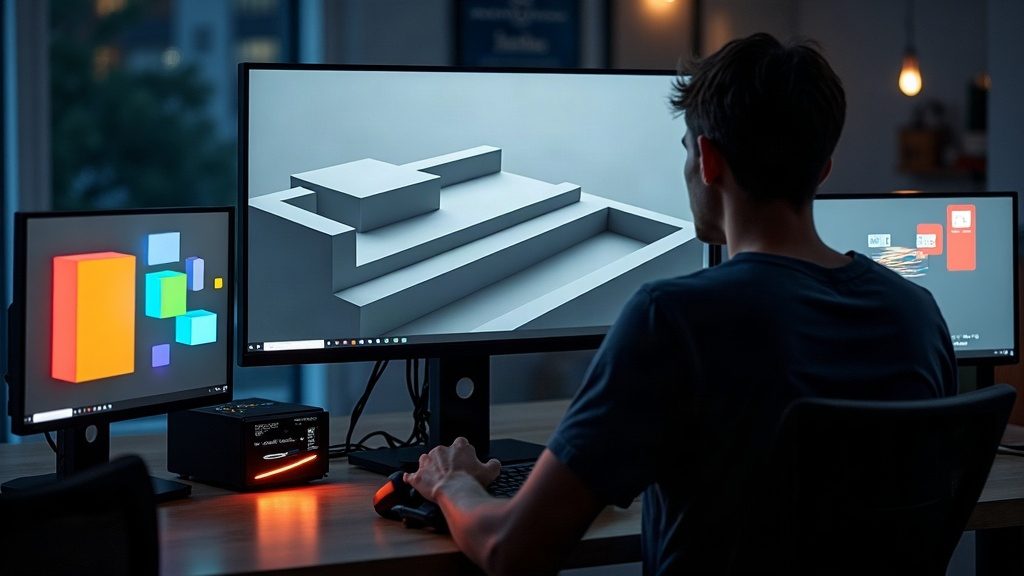
A grey box is a level in its raw state: geometry, sightlines and distances are in place, art and polish are not. Playco treated one such build as a shared starting point and derived three differently themed playable variants from it. The figure it cites counts the spots a human had to go back and correct afterwards.
Why the figure is not yet a measurement
Fifty percent fewer manual fixes is a user report, not a benchmark result. Whoever computes that ratio also decides what counts as a fix and what sits in the denominator, and the same afternoon of work can be framed either way. Without the counting rule and without naming the earlier model, the number describes one team's experience rather than a result other studios can plan around.
It is also unclear whether the three prototypes were comparable in scope to earlier work. Variants branched off one shared blockout inherently need less rebuilding than three levels started from scratch.
What we could not verify
Exactly one source was cleared for this story, OpenAI's project page. It returned HTTP 403 on both attempts and served no text at all. Everything above therefore rests on the short summary held in our editorial system.
Deliberately absent because we could not check it: quotes from anyone involved, the project timeframe, the size of the team, the genres of the three prototypes, and which model served as the baseline. No second, independently reported account of this project was available either.
FAQ
What is a grey box in game development?
A level built in raw untextured geometry, with layout and distances set but art, sound and polish missing. Teams use it to test how a game feels before committing to production art.
How solid is the 50 percent fewer manual fixes claim?
It is Playco's own figure, published without a stated counting rule and without independent verification. Useful as one team's experience, not as a comparable metric.
Which model did Playco use before GPT-6 Astra?
That is not stated in the information available to us. Without the baseline model, the size of the improvement cannot be placed in context.