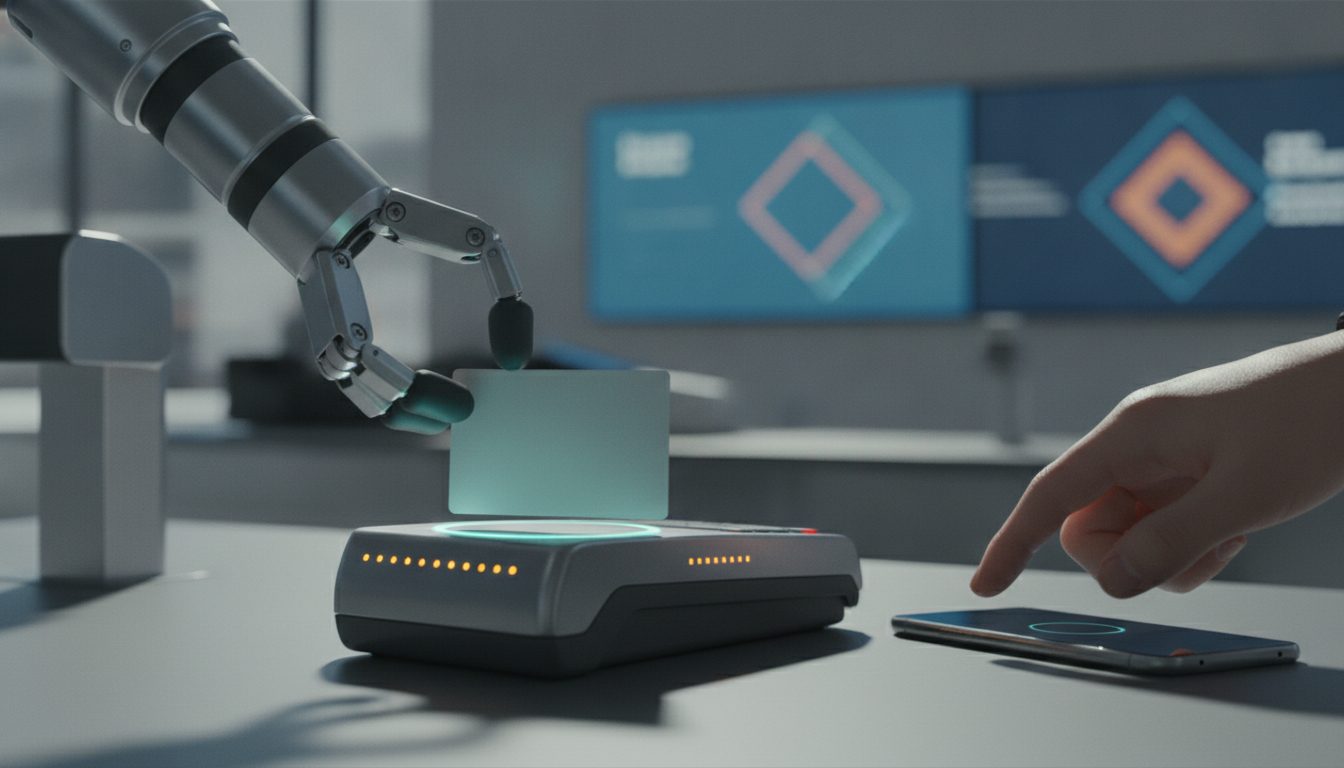
Shield Forge AI agents take over legacy portals
OpenAI's customer story casts Shield as the layer that works aging service portals, leaving technicians the calls that actually need a human.
In short
Shield puts AI agents called Forge in front of outdated IT portals so technicians hand off the clicking and keep only the tickets that need judgment.
At a glance
- Shield appears among the OpenAI customer stories and builds on OpenAI technology for IT support work.
- Its agents are named Forge and are described as navigating systems and portals on their own.
- The split of labor: the agent drives the interface, a person decides the case.
- The account is vendor-side material published by OpenAI, not an independent audit.
- No figures on time saved, customers served or model versions are supported by the sourcing we verified.
Most support tooling aims at the interesting part of the job. Shield aims at the dull part: logging into somebody else aging admin portal and clicking through it. In the account published by OpenAI, the company Forge agents do that navigation, so technicians pass the routine work along and keep the cases that call for a judgment.
The handoff is the product
What is on offer here is a division of labor rather than a new model. Agents operate the screens; a technician owns the decision. OpenAI describes Forge as agents that move through the systems themselves. Which models, which interfaces and which portals are involved is not something the sourcing we could verify spells out.
Why legacy portals eat the day
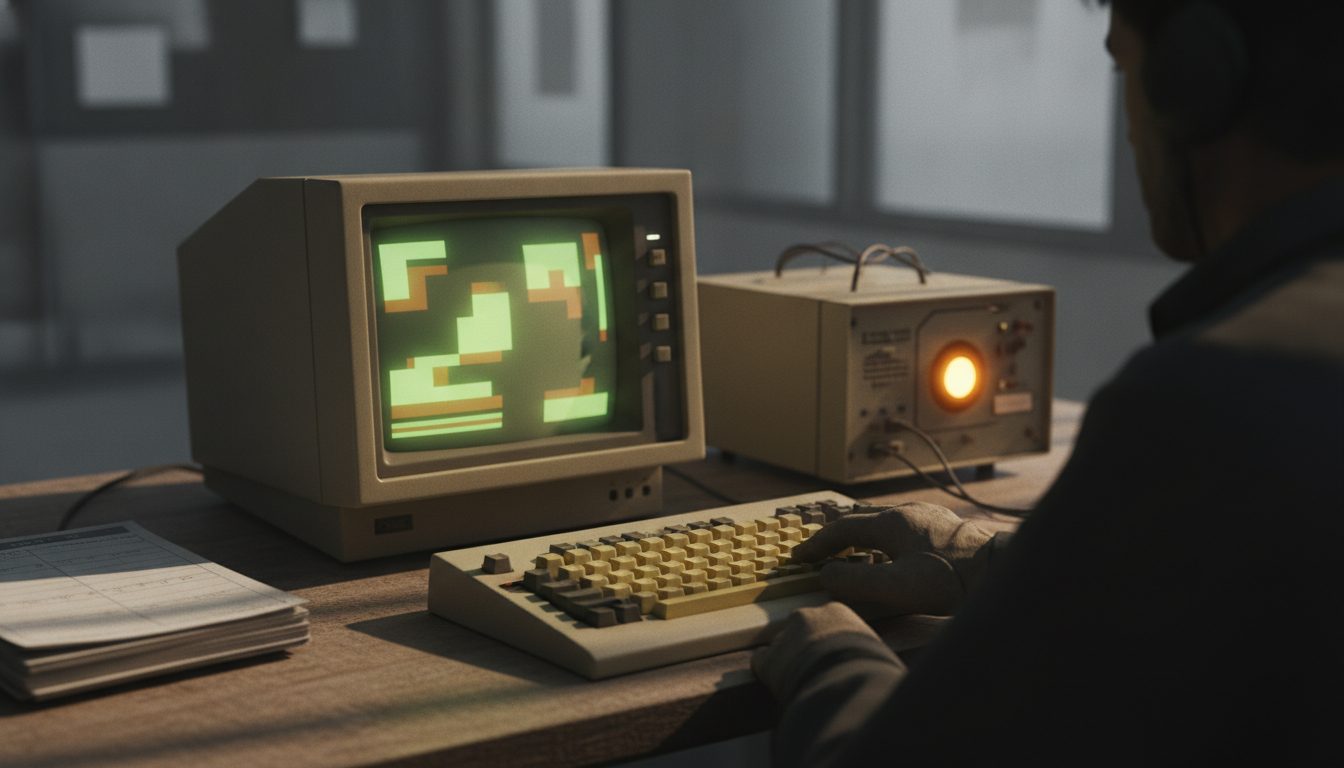
In a service desk, diagnosis is rarely the expensive step. Getting to it is: sign in, pick the tenant, find the form, update the status. Each step is rule-bound yet spread across many systems that offer no usable interface for machines, which is exactly the gap a screen-driving agent targets. The durable question is drift: portals change without notice, and an agent that reads a layout can lose it overnight.
What this story does not show
This is a vendor page about a customer, hosted by the vendor. When we requested it for this article, the server refused the fetch with HTTP 403, so nothing here rests on reading it. That is why you will find no numbers above on hours saved, accounts covered or model versions. Unverified is not the same as zero, and we would rather say so than round it off.
Questions worth asking first
Three measures separate a demo from a deployment: the share of cases that complete with no human touch, the failure rate after a portal changes, and whether every agent action lands in an audit trail someone can replay. Those figures have to come from an operator, not a launch page. The starting point is the Shield customer story on the OpenAI site.
FAQ
What is Shield Forge?
Forge is Shield agent layer: software agents operate IT portals directly so technicians can hand off repetitive case work.
Which OpenAI model does Shield use?
The sourcing we verified for this article does not say. The customer story credits OpenAI as the basis, but we cannot evidence a specific model version.
Do these AI agents replace IT technicians?
Not in this account: people stay responsible for cases that need judgment, while the agents handle navigation inside legacy systems.