Unitree heads for its IPO — and turns humanoids into influencers
Dancing, kung-fu fighting robots fill social feeds while Unitree fills its books: 5,500+ humanoids shipped and a $623 million Shanghai listing.
In short
China's robot maker Unitree is about to go public on Shanghai's STAR Market — and is turning its G1 and R1 humanoids into social media stars along the way.
At a glance
- Shanghai STAR Market IPO: subscription open since August 10, raising ~4.2B yuan ($623M)
- 2025: 5,500+ humanoids shipped, revenue +335% to ~$253M, ~$89M adjusted profit
- Average humanoid price: down from ~$88,000 (2023) to ~$25,000 (2025)
- Only ~250 units in sustained commercial deployment so far
- Comparison: Figure AI valued at $39B — on minimal revenue
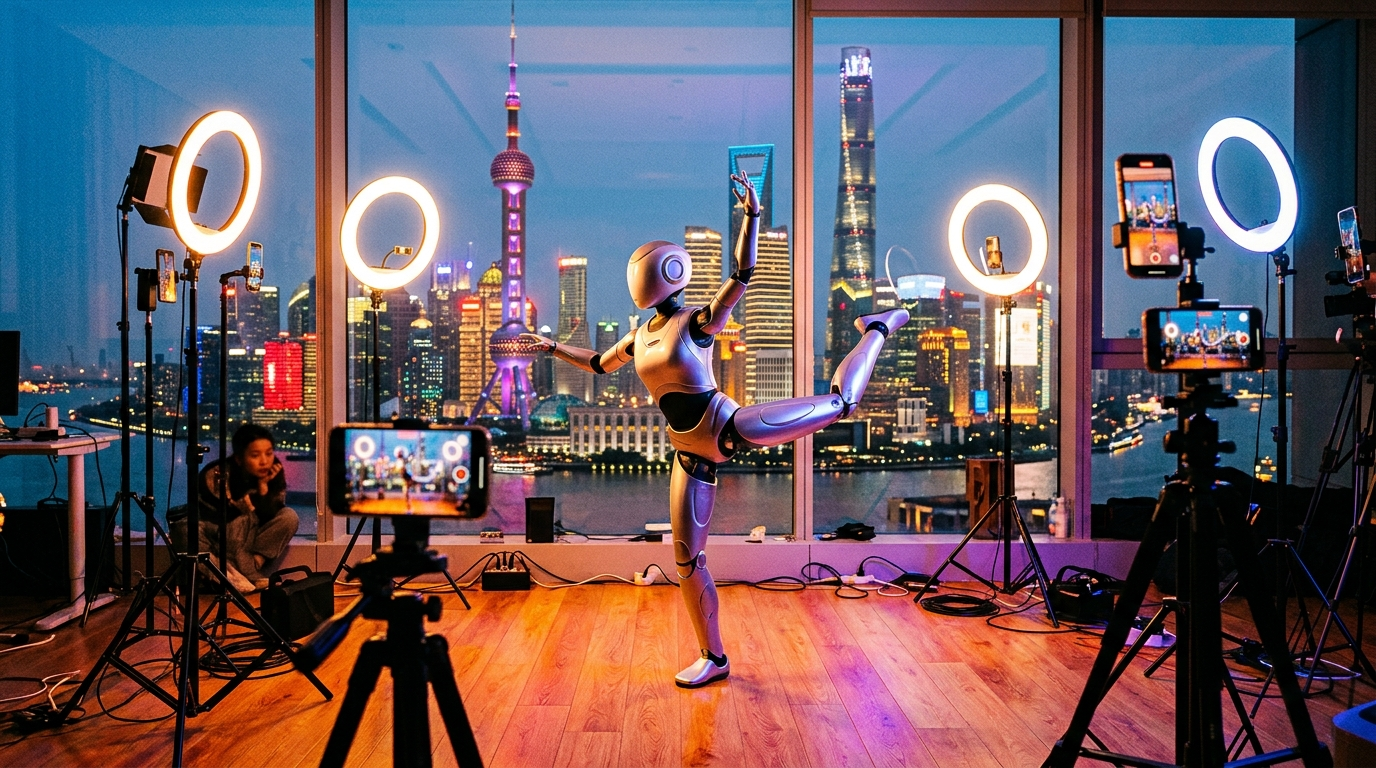
China's robot maker Unitree is about to go public on Shanghai's STAR Market — and is turning its G1 and R1 humanoids into social media stars along the way. Videos of the dancing, boxing, kung-fu fighting machines reach audiences of millions; a dedicated app store ships dance moves and viral reactions as installable packages.
The show has a business model behind it: in 2025, Unitree shipped more than 5,500 humanoids and grew revenue 335 percent to roughly $253 million — profitably, with about $89 million in adjusted net profit and gross margins above 60 percent. IPO subscription opened on August 10; the listing raises about 4.2 billion yuan ($623 million) at a base valuation of 42 billion yuan.
The price curve is remarkable: the average selling price of a Unitree humanoid fell from roughly $88,000 in 2023 to about $25,000 in 2025. In-house drive motors make that possible — what a TechTimes analysis calls a compounding cost advantage "similar to DJI's drone dominance strategy."
The contrast with US rivals is stark: Figure AI was last valued at $39 billion — with barely any disclosed revenue. Unitree, with a real product business, trades at roughly one sixth of that, partly because political hurdles are rising: since July, the US regulator FCC has barred new Chinese humanoid models from the American market.
What remains open is how quickly viral fame converts into productive work: of all units shipped, only around 250 are in sustained commercial deployment so far. The market is betting that entertainment, research and industry together will carry demand — secondary-market expectations already sit above 100 billion yuan.
FAQ
Why use the robots as influencers?
Viral dance and martial-arts videos make the G1 and R1 famous worldwide and drive demand from entertainment, education and research — currently the biggest market for humanoids.
Is Unitree profitable?
Yes. In 2025 it posted roughly $253 million in revenue (+335%) and about $89 million in adjusted profit — unusual in an industry that mostly burns cash.
What does the IPO mean for the robotics market?
Unitree becomes China's first listed humanoid maker. A successful debut would likely trigger more listings and puts pressure on Western rivals like Figure AI to justify their valuations.