Gemini Robotics 2.5 hits 96% in Mercedes-Benz test
Google DeepMind reports 30 to 100 percent higher success rates and 96 percent on kitting at two Mercedes-Benz plants, for partners only so far.
In short
Gemini Robotics 2.5 is Google's new vision-language-action model for robot arms and hands, and DeepMind says it lands 30 to 100 percent higher success rates than its predecessor plus 96 percent on a kitting job inside two Mercedes-Benz plants.
At a glance
- Announced November 10, 2026 by Google DeepMind; the blog post is credited to Carolina Parada.
- Measured across more than 200 distinct tasks, with task completion 20 to 30 percent faster.
- 96 percent success on kitting at the Mercedes-Benz plants in Kecskemet, Hungary and Sindelfingen.
- ASIMOV-Jailbreak: 99.5 percent resistance, up from an 82 percent baseline.
- Platforms: Apptronik Apollo 2, with a five-finger 22-degrees-of-freedom hand, plus Franka Duo.
Gemini Robotics 2.5 is Google DeepMind's new control model for robot arms and hands, announced on November 10, 2026. Across more than 200 distinct tasks it clears success rates 30 to 100 percent above the earlier Gemini Robotics 2, depending on the task, and finishes work 20 to 30 percent faster.
From almost never to almost always
The sharpest gains sit in jobs the older model essentially failed. Packing pastries with tongs moved from 5 percent to 100 percent. Untying a ribbon bow moved from 0 to 70 percent. Closing a toolbox lid moved from 0 to 93 percent.
What those jobs share is material that changes shape while the gripper holds it. DeepMind splits the work across two models: Gemini Robotics ER keeps track of the workflow, and the action model drives the hands and arms.
The factory number
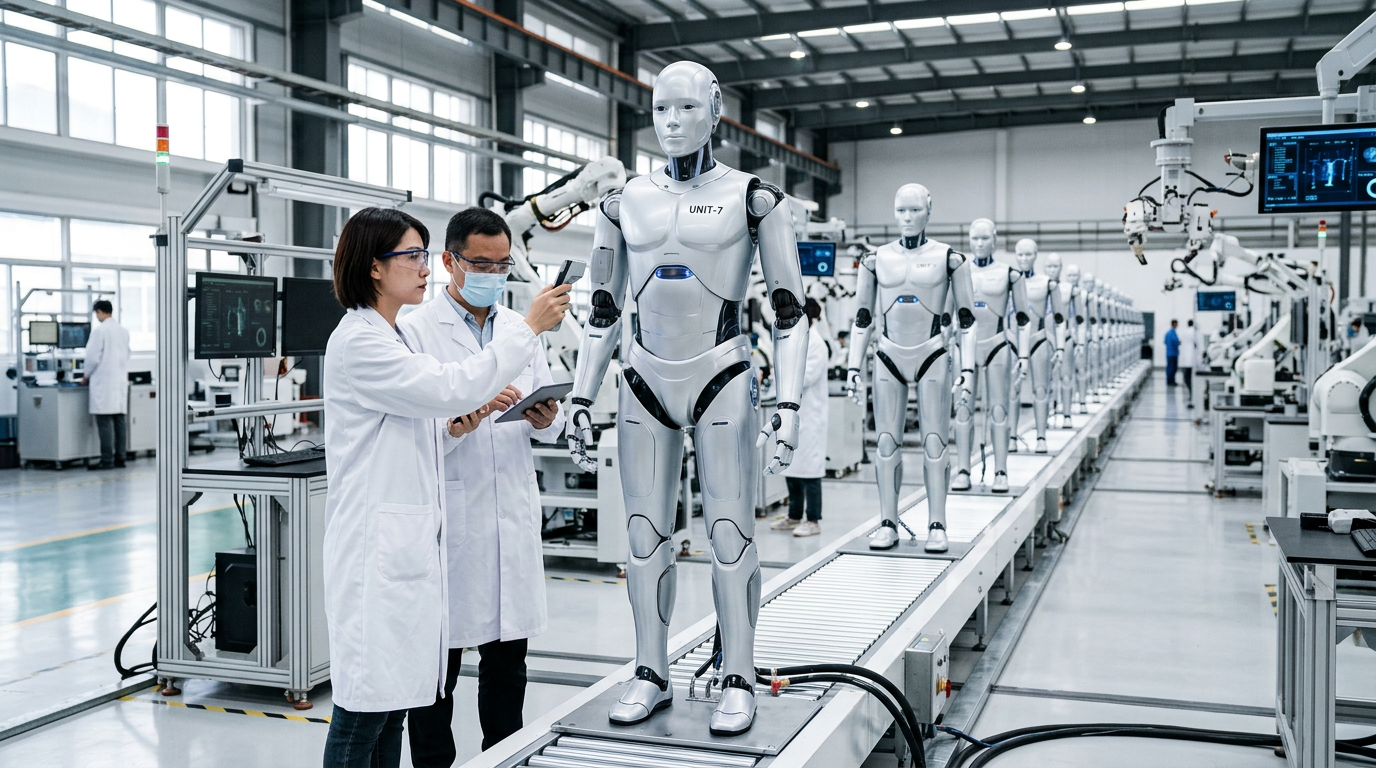
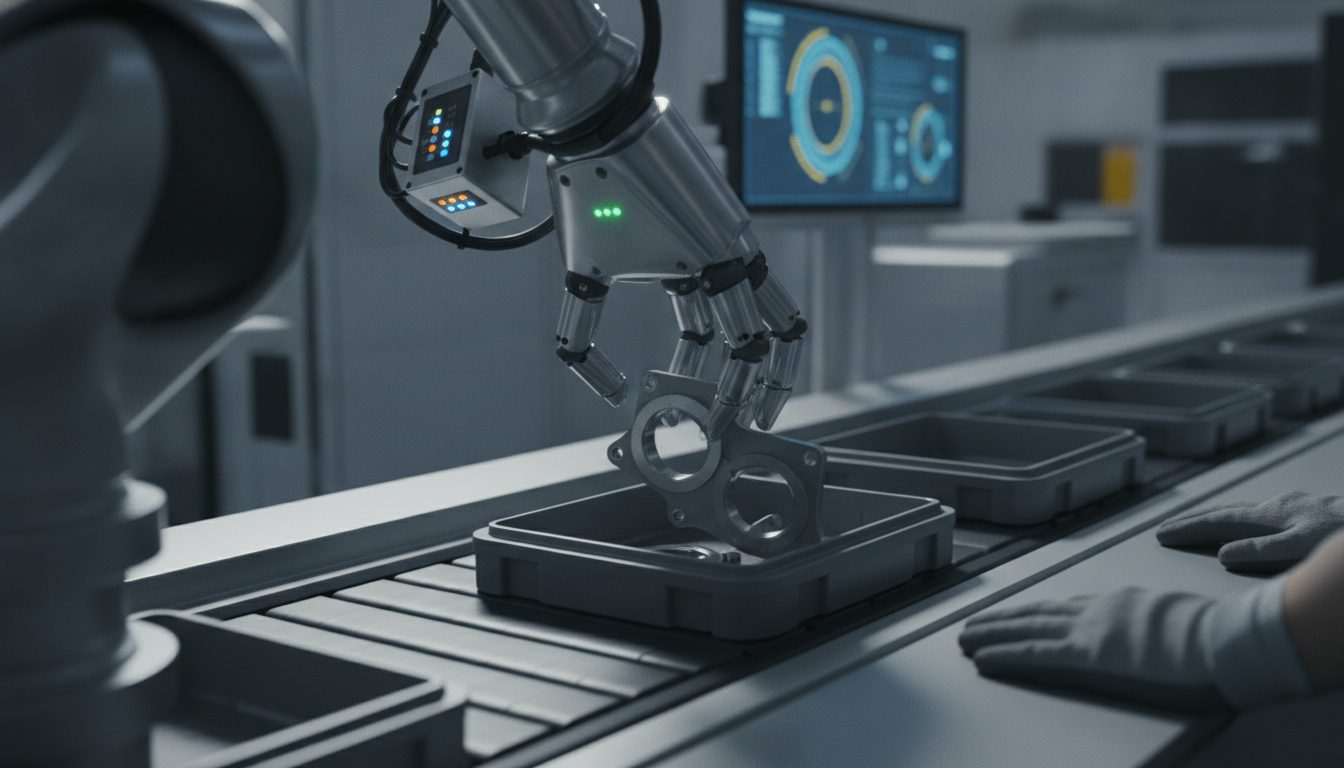
The hardest evidence comes off a production floor. DeepMind reports 96 percent success on automotive kitting, the job of assembling parts sets for the line, at the Mercedes-Benz plants in Kecskemet, Hungary and Sindelfingen, Germany. One of the robots is Apptronik's Apollo 2 humanoid, whose hand carries five fingers and 22 degrees of freedom. Apptronik CEO Jeff Cardenas calls that the "foundation" for putting humanoids into industry at scale, and DeepMind also lists the two-finger parallel grippers of the Franka Duo.
Safety claims and the simulator
Two figures cover physical safety: 33 percent more tasks completed safely around obstacles, and 43 percent more around people nearby. On the ASIMOV-Jailbreak benchmark, resistance rises to 99.5 percent against an 82 percent baseline.
Training leans on a second model. Gemini 4 Argon turns real camera scenes into digital twins and spins thousands of varied practice runs inside them. Given video of a failed attempt, it proposes hypotheses for why the task broke down.
What the post leaves open
Access, for now, goes to DeepMind's robotics partners. The announcement names no API, no price and no date for wider availability; that is unstated rather than ruled out. Also absent: how long a single episode runs, any figure for transferring a learned skill to a different robot body, and any metric for handling objects the model has not seen. Every number above comes from the vendor's own announcement, not an independent trial. The full text sits in the Google DeepMind blog post.
FAQ
What is Gemini Robotics 2.5?
A Google DeepMind model that turns camera input and plain instructions into motion for robot arms and hands. It pairs with Gemini Robotics ER, which tracks the steps of a longer task.
Can developers access Gemini Robotics 2.5 today?
Not yet. DeepMind describes a rollout to its robotics partners, and the announcement names no API, pricing or date for broader access.
What did the Mercedes-Benz test measure?
Automotive kitting, meaning the assembly of parts sets for the production line, at the Kecskemet and Sindelfingen plants. DeepMind puts the success rate at 96 percent.