First Nvidia H200 shipments reach China: ByteDance and Tencent get about 10,000 each
Washington has issued export licences to roughly ten Chinese companies while Beijing approves imports case by case. A large share of the licensed chips is stuck in Hong Kong for now.
In short
For the first time in a long while, high-end Nvidia accelerators are flowing into China again.
At a glance
- ByteDance and Tencent each received around 10,000 H200 chips
- US export licences cover roughly ten Chinese buyers, up to 75,000 chips each
- Named customers include Alibaba, Tencent, ByteDance, JD.com; distributors Lenovo and Foxconn
- Beijing clears every purchase individually (National Development and Reform Commission)
- TrendForce expects fewer than 200,000 chips to be authorised in total
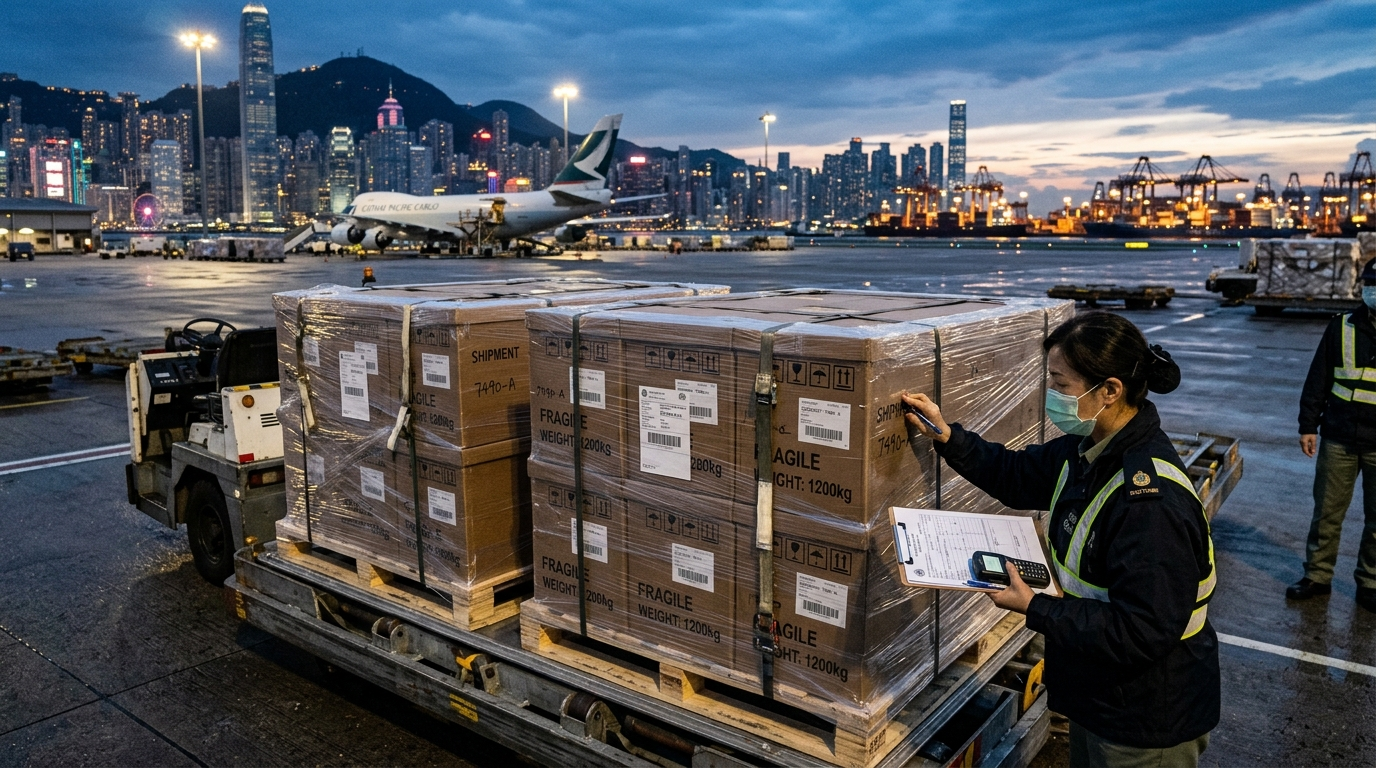
For the first time in a long while, high-end Nvidia accelerators are flowing into China again. ByteDance and Tencent have each received around ten thousand H200 chips in recent weeks. These are the first meaningful deliveries since trade in this class of chip had effectively stopped.
The opening has two sides. The US Commerce Department granted export licences covering about ten Chinese buyers, among them Alibaba, Tencent, ByteDance and JD.com, along with intermediaries such as Lenovo and Foxconn. Each licensed customer may acquire up to seventy-five thousand H200 units, either directly from Nvidia or through approved distributors.
On the other side sits Beijing, which is not opening the door wholesale. Every purchase requires case-by-case clearance from the National Development and Reform Commission. TrendForce estimates that China will authorise fewer than two hundred thousand H200 chips in total – less than half of what the companies originally requested.
One constraint stands out. According to Tom's Hardware, much of the licensed silicon must remain in Hong Kong for now, where the infrastructure to actually power it is missing. The figures on paper and the compute genuinely available therefore diverge considerably.
Technically the H200 is not Nvidia's current flagship but the preceding generation. For the Chinese market the shipments matter anyway: they are the first tangible easing after months of blockade – and a signal that both sides currently prefer to manage the chip trade rather than shut it down entirely.
FAQ
Who authorised the shipments?
Both sides: the US Commerce Department issued export licences for about ten Chinese buyers, and Beijing additionally approves each import case by case.
Is the H200 Nvidia's current flagship?
No, it is the preceding generation. For the Chinese market the delivery is nonetheless the first tangible easing in months.
Can the chips be used straight away?
Only partly. According to Tom's Hardware much of the silicon must stay in Hong Kong for now, where the infrastructure to power it is missing.
Sources
- Tom's Hardware: First Nvidia H200 shipments reach China as Beijing loosens its import block
- Business Standard: China allows limited Nvidia H200 shipments – why is Beijing easing curbs?
- Benzinga: Nvidia's H200 chips are flowing into China again – ByteDance, Tencent get around 10,000 each
- TrendForce: China reportedly to allow Nvidia H200 imports, but approvals may fall below 200K chips