Nvidia H200: first shipments reach ByteDance and Tencent
Beijing loosens its import block — but most chips must stay in Hong Kong, which simply lacks the power to run them.
In short
What happened?
At a glance
- Around 10,000 H200s each delivered to ByteDance and Tencent
- US clearance in December 2025, 25% levy per sale to the US Treasury
- About 10 licensed firms, up to 100,000 units per company
- Hong Kong condition: 47 data centers with only 581 MW for 700-watt chips
- Delivered volume equals ~2.5% of authorized totals
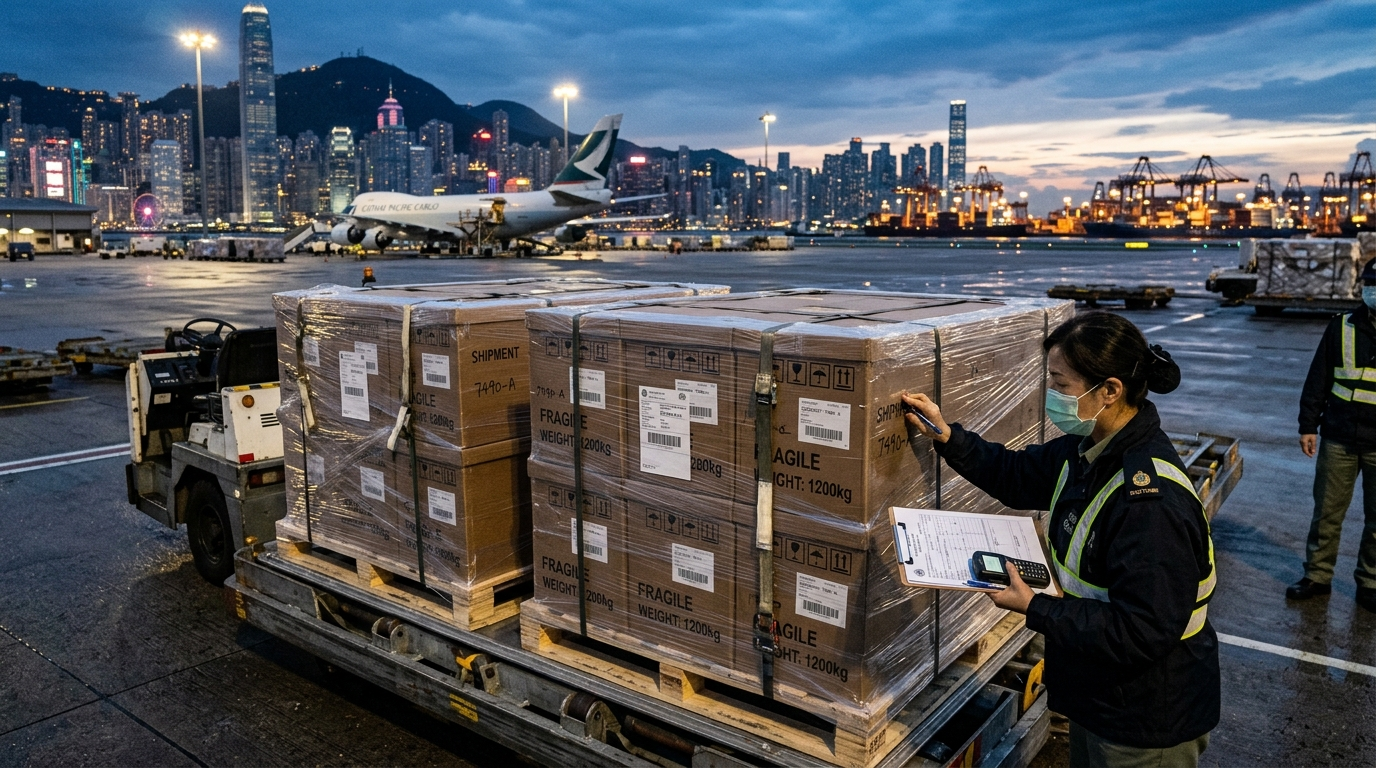
What happened? The first Nvidia H200 accelerators have arrived in China: ByteDance and Tencent each received around 10,000 units in recent weeks, according to a Financial Times report picked up by Tom's Hardware. They are the first physical deliveries since Washington cleared exports and Beijing eased its own blockade.
How did we get here? US President Trump approved H200 exports to China in December 2025 — with a 25 percent levy per sale going to the US Treasury. Around ten Chinese firms were licensed, including Alibaba, ByteDance, Tencent, and JD.com, at up to 100,000 units each. On the Chinese side, every order needs case-by-case approval from the NDRC planning commission.
What's the catch? Beijing requires most licensed chips to stay in Hong Kong for now. But Hong Kong has just 47 data centers with a combined 581 megawatts of capacity — not enough for chips drawing 700 watts each. "It's a dilemma," sources told the Financial Times: companies simply cannot find a site to plug in their hardware.
How big is the breakthrough really? Modest. The reported 20,000 chips equal roughly 2.5 percent of the 400,000-plus H200s that ByteDance, Alibaba, and Tencent are collectively authorized to buy. The deal is above all a political signal — not a capacity leap.
What does it mean for the AI race? China's tech giants regain access to top US hardware, but under dual control: Washington caps the volumes, Beijing steers where and how fast they are deployed. For Nvidia, a billion-dollar market opens a crack — no more than that for now.
This article was produced with AI assistance and editorially reviewed.
FAQ
Why must the chips stay in Hong Kong?
Beijing wants to control where and how fast they are deployed and requires most licensed chips to sit in Hong Kong first — even though the city lacks the data-center capacity to run them.
Can Nvidia ship to China without limits?
No. The US government licenses individual firms with caps of up to 100,000 units, and 25 percent of each sale goes to the US Treasury.
Is the H200 Nvidia's best product?
No, the H200 is an older Hopper-generation part. Current Blackwell flagships remain excluded from the China clearances.