Apple Will Train AI Models on User Data After All
A new clause in Apple's AI guidelines opens Siri recordings to model training — opt-in in name, yet the consent prompt offers only a temporary no.
In short
Apple has added an exception to its AI guidelines, so Siri voice data can now feed model training whenever a user opts in during setup.
At a glance
- Apple's AI guideline now carries an exception: no training on personal data unless the user explicitly agrees.
- In scope: Siri conversations, transcripts, dictation input, and audio of both requests and responses.
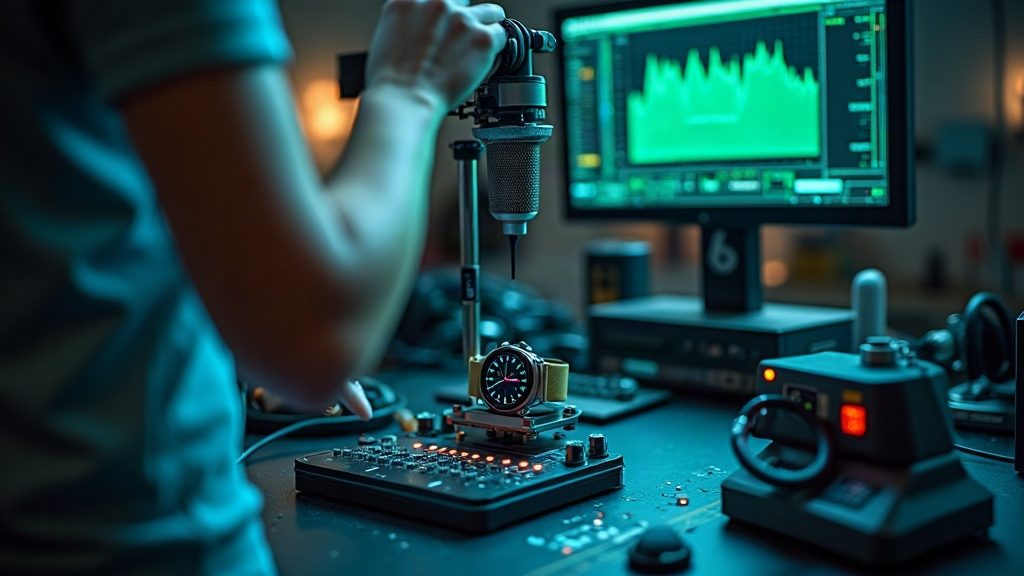
- The Apple Watch can transcribe 15 seconds of conversation and turn it into a Siri recap.
- The consent prompt ships with iOS 27 on September 14, 2026; the only alternative is a not-now button.
- Apple says the data is not tied to Apple accounts and that only its own employees listen to audio.
Apple has quietly rewritten one of its own AI rules. What used to be a flat promise — personal data never enters foundation model training — now carries an exception for users who agree to help improve the models. Leo Becker reported the change for heise online on September 12, 2026.
The sentence that grew a clause
The old wording ended in a period and left no room for interpretation. In the revised responsible-AI guidelines that period is gone, replaced by a condition: the rule holds unless you deliberately opt in to helping make the models better. Technically nothing was retracted; in practice the guarantee now hangs on a checkbox.
What gets collected
The material at stake is Siri conversation data and its transcripts, dictation input, and audio of requests and responses alike. The Apple Watch's new listening feature adds to the pile: it can transcribe 15 seconds of conversation and fold the result into a Siri recap. These are the everyday paths into the assistant, not an obscure developer toggle.
Opt-in, with one narrow exit
The consent screen appears when Siri's AI features are switched on, which happens with iOS 27 on September 14, 2026. Flat refusal is not offered — the alternative is a low-key button that amounts to not right now. The choice can be revisited later under Settings > Analysis & Improvements.
Friction with Private Cloud Compute
Apple says the material is not linked to Apple accounts, that staff review some of it, and that only its own employees hear audio. That sits awkwardly beside the Private Cloud Compute pitch, which sold server-side processing as no worse for privacy than keeping the work on the device. Apple has been here before: years ago, contractors were found reviewing Siri clips that captured deeply private moments.
Still unanswered
Only one newsroom's reporting was available for this story, so no independent second account confirms it yet. Retention periods, the countries and languages where the prompt appears, and the share of recordings a human ever hears are all unspecified. Those remain open questions rather than settled ones.
FAQ
Does Apple use my Siri recordings to train AI?
Only if you agree. Under the revised guideline, training on personal data is ruled out unless you explicitly opt in to helping improve the models.
How do I turn off Siri training in iOS 27?
Go to Settings > Analysis & Improvements, where the consent given during the setup dialog can be changed after the fact.
Do humans listen to my Siri recordings?
Apple states that reviewers examine some of the data and that only its own employees hear audio. Apple does not say what share of recordings that covers.