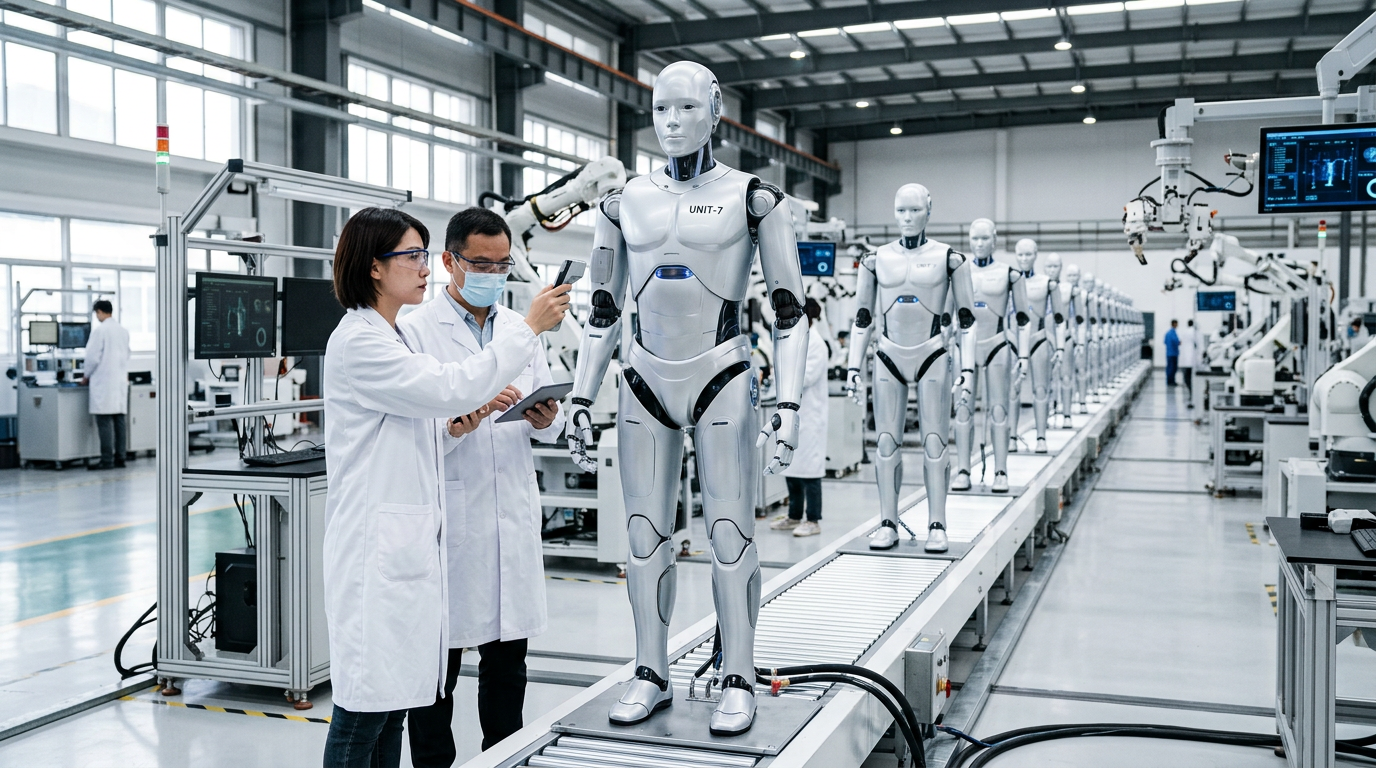
ProLogium shifts solid-state batteries toward AI, not EVs
The Taiwanese maker expects half of future sales to come from outside the car industry, with AI and aviation moving to the front.
In short
ProLogium is steering its solid-state cells away from electric cars toward artificial intelligence and aviation customers, because EV demand grows slowly and production stays expensive.
At a glance
- ProLogium, based in Taiwan, manufactures all-solid-state battery cells.
- Its chief executive expects half of future sales to come from outside the car industry.
- Reasons cited: sluggish growth in EV demand and high manufacturing costs.
- Named target areas: artificial intelligence applications and aviation.
- Source: Nikkei Asia, October 11, 2026; no capacity, timeline or customer names in the freely readable part.
ProLogium expects half of its future sales to come from outside the car industry, moving its solid-state cells toward artificial intelligence and aviation instead of electric vehicles. Nikkei Asia reported the shift on October 11, 2026, citing the chief executive of the Taiwanese manufacturer. Sluggish EV demand growth and high manufacturing costs are the reasons given.
What the report establishes
This is not framed as one supplier acting alone. Nikkei Asia places ProLogium among all-solid-state battery makers now looking past the car. Two reasons are given for the turn: EV demand that grows too slowly, and costs that stay too high. The doubt about the automotive role is attributed to the chief executive, not to outside analysts.
The cost trap behind the pivot
Solid-state cells were supposed to reach drivers first: more energy per kilogram, no flammable liquid electrolyte, a safety story carmakers could sell. That promise assumed volume. Without the volume the cell stays expensive, and the gap to mature lithium-ion packs never closes.
Selling into markets that pay for weight, space or safety, rather than for the lowest cost per kilowatt-hour, is the logical response. It also buys time: a supplier living on non-automotive revenue can keep refining the process until car platforms are ready for it.
Where the cells go instead
AI is named as a target sector, and aviation is implied by the headline wording about the skies. The freely readable part of the article does not say which products are meant. Power supply at computing sites, portable equipment and aircraft such as drones therefore remain possibilities, not reported facts.
What this report does not establish
One newsroom carried this story, and no second independent outlet confirmed it at publication time. The accessible text names no executive, no timeline, no plant, no capacity figure, no energy density and no customer. The half-of-sales figure is a forward-looking expectation without a target year, not a reported result. Read it as a direction of travel rather than a plan of record.
FAQ
Why is ProLogium moving away from EV batteries?
According to Nikkei Asia, the chief executive points to slow growth in electric vehicle demand and high manufacturing costs, which together weigh on the automotive role of the technology.
How much ProLogium revenue should come from non-automotive customers?
The chief executive expects half of future sales. The freely readable part of the report gives no target year and no absolute figures.
What is a solid-state battery?
A cell with a solid electrolyte instead of a liquid one. It promises more energy per kilogram and removes the flammable liquid, but it is expensive to manufacture.