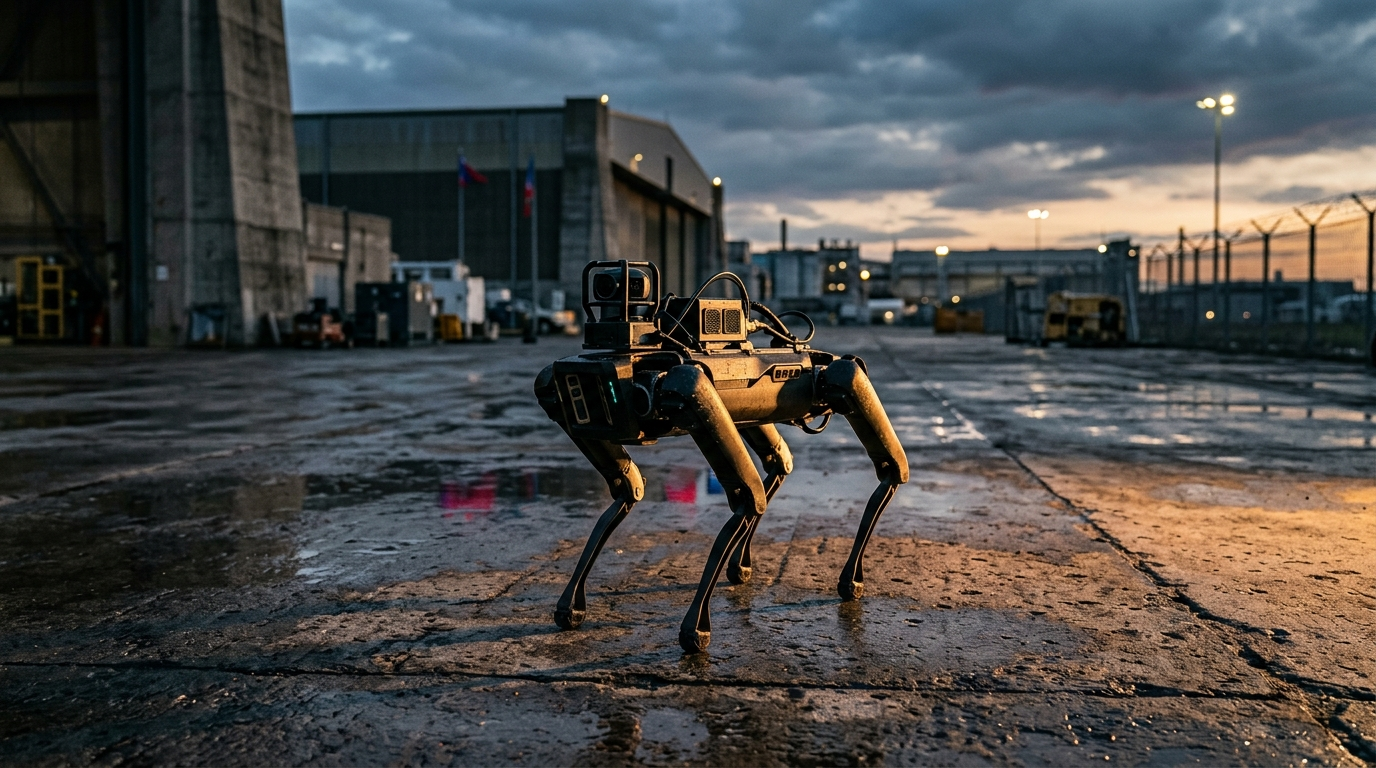
Japan Plans AI Robots for Fukushima Debris Removal
Tokyo and plant operator Tepco are assembling a consortium, due to start as early as this fiscal year, to tackle 880 tons of debris in three reactors.
In short
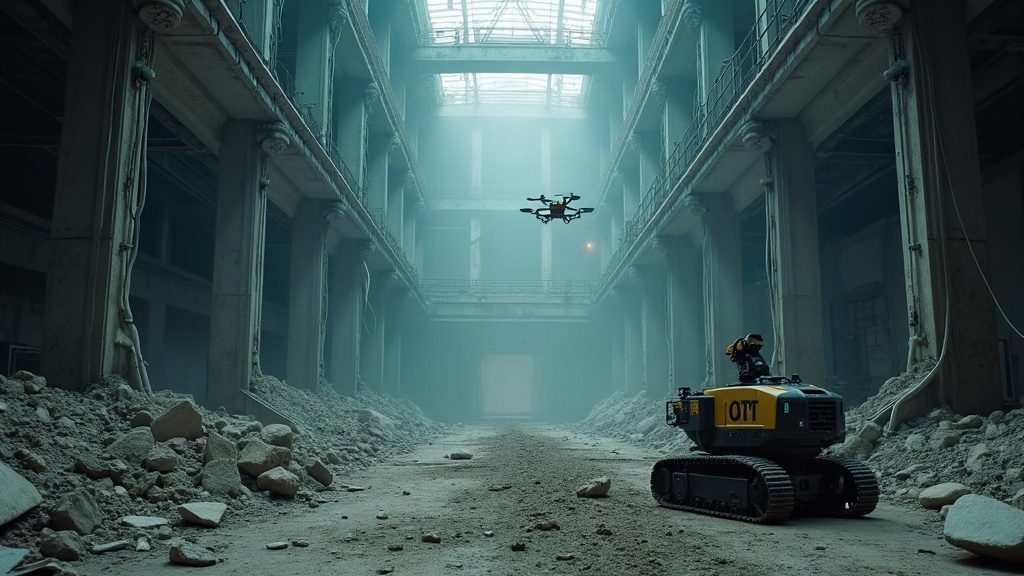
Japan's government and plant operator Tepco intend to use AI-driven robots and drones to remove the 880 tons of radioactive debris sitting inside the Fukushima Daiichi nuclear plant.
At a glance
- Nikkei Asia puts the debris at 880 tons, spread across three reactors at Fukushima Daiichi.
- A consortium of the government and Tepco is set to launch no earlier than fiscal 2026.
- The plan calls for AI robots and drones, with no models or manufacturers identified.
- Cost, the schedule for the retrieval work itself, and suppliers are all unquantified.
- Only one independent newsroom has reported this so far; a second confirmation is missing.
Japan's government and Tokyo Electric Power (Tepco) plan to lean on AI-driven robots and drones for the hardest part of the Fukushima Daiichi decommissioning. According to Nikkei Asia, a joint consortium is expected to launch no earlier than the current fiscal year, 2026. The target is 880 tons of radioactive debris distributed across three reactors.
What the report actually states
Three specifics are on the record. The partners are the government and Tepco, working through a shared consortium. The launch window is the current fiscal year at the earliest. The volume of material is 880 tons across three reactors.
Why machines instead of crews
Radiation levels inside the damaged reactor buildings cap how long people can work there at all. Remote hardware pushes that limit outward, because it does not have to be rotated out at the end of a shift. AI matters where straight remote control runs out of road: navigating cluttered interiors and making sense of camera feeds. Which steps will actually be automated is not spelled out.
What is still unverified
Four things remain unconfirmed: the cost of the program, the timetable for the retrieval work itself, the manufacturers involved, and the classes of robot to be deployed. There is also no comparison with earlier retrieval attempts. One caveat about this article: at publication we have only a single independent source on the plan.
What it means for the robotics market
Fukushima Daiichi has long served as a proving ground for robotics in extreme conditions. A state-backed consortium would be a predictable buyer for hardware that has few commercial uses elsewhere. Whether that turns into contracts for specific vendors has not been made public.
FAQ
How much debris is left inside Fukushima Daiichi?
Nikkei Asia reports 880 tons of radioactive debris, spread across three reactors at the plant.
When will the Fukushima AI robot consortium start?
No earlier than the current fiscal year, 2026. The report gives no exact start date.
Which robots will be used at Fukushima?
The report refers broadly to AI robots and drones, without naming manufacturers or models.